
Que sont les raccords PPR ?
Raccords PPR are fittings used to join two sections of polypropylene random (PPR) pipes. Installing PPR couplings creates leak-proof seals and ensures long-lasting, pressure-resistant pipe systems. Ideal for both hot and cold water Installing, they are commonly found in residential, commercial, and industrial plumbing. Because of their durability and ease of use, PPR couplings are a favorite among plumbers and DIYers alike.
Tools You Will Need
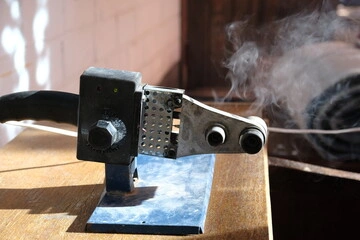
Before starting the installation, gather essential tools. These include a pipe cutter, PPR welding machine, tape measure, and cleaning cloth. Also, make sure you have the correct size of PPR couplings and pipes. Having the right tools and materials helps avoid delays and ensures proper joint quality. Preparing your workspace with everything you need is the first step to success.
Measuring and Cutting
Begin by measuring the required pipe length using a tape measure. Mark the spot clearly. Use a pipe cutter to make a clean, straight cut. A precise cut ensures a proper fit within the coupling. Afterwards, clean the pipe ends to remove any dust or debris. Clean surfaces bond better during welding, resulting in stronger, leak-proof joints.
Heating and Joining
Turn on the PPR welding machine and wait for it to reach the recommended temperature, usually around 260°C. Insert the pipe and coupling into the heating sockets. After heating for a few seconds, quickly remove both pieces and join them together. Hold the joint steady for a few seconds to let it cool and fuse. This step creates a permanent, water-tight connection.
Cooling and Testing
Allow the connection to cool completely before moving the pipe. Cooling time may vary depending on the pipe size, typically around 30 seconds. Once all joints are made, conduct a pressure test to ensure there are no leaks. Testing confirms the reliability and safety of the installation. Always follow manufacturer guidelines during this step.
Erreurs courantes à éviter
When installing PPR couplings, avoid overheating or underheating the PPR materials, as this can weaken the joints. Never attempt to force a misaligned connection during the installing PPR couplings process. Also, don’t skip cleaning the pipe ends before welding. Following proper procedures improves the system’s durability and avoids costly repairs. Always double-check measurements and ensure a steady hand during welding to achieve the best results when installing PPR couplings.
Tips for Best Results
To achieve the best results when installing PPR couplings, always work in a clean, well-lit environment to minimize mistakes. Proper lighting helps you see cuts and welds clearly, preventing misalignment. If you are new to PPR installation, practice welding on scrap pipes first to build confidence and skill. Also, keep extra couplings and pipes nearby so you can quickly replace any parts if needed, saving time. Organize your tools and label them for easy access, which reduces downtime during work. Additionally, pay close attention to manufacturer instructions and recommended welding temperatures to avoid damaging materials. Taking these precautions ensures strong, leak-proof joints and a durable plumbing system.
Réflexions finales
Installing PPR couplings may seem daunting at first, but by following each step carefully, beginners can achieve professional-quality results. Preparation is key — gather the right tools, measure accurately, and clean the pipe ends thoroughly before welding. Remember, patience during heating and cooling phases ensures strong bonds and prevents joint failures. Regular practice and attention to detail build your confidence and improve workmanship over time. Ultimately, using this guide will help you create safe, efficient, and long-lasting plumbing connections, whether for home repairs or larger projects.
Normes internationales de l'IFAN
Les raccords et tubes PPR de l'IFAN sont strictement conformes aux principales normes internationales et régionales, garantissant des performances de haute qualité et une compatibilité sur les marchés mondiaux. Ces normes comprennent :
- ISO 15874 – Spécifie les exigences relatives aux systèmes de tuyauterie PPR utilisés dans les installations d’eau chaude et froide.
- EN 15874 – La norme européenne équivalente à la norme ISO 15874, largement reconnue dans toute l’UE.
- ASTM F2389 – Une norme américaine pour les systèmes de tuyauterie PPR à pression nominale utilisés dans les systèmes d’eau résidentiels et commerciaux.
- DIN 8077/8078 – Normes allemandes qui définissent les dimensions et la qualité des tuyaux PPR, mettant l’accent sur la durabilité et la cohérence.
- GB/T 18742 – La norme nationale chinoise pour les systèmes de tuyauterie en polypropylène, applicable dans les environnements domestiques et industriels.
- NBR 15884 – La norme brésilienne garantissant la qualité des produits pour les systèmes PPR utilisés dans toute l’Amérique du Sud.
En s'alignant sur ces certifications, l'IFAN fournit des solutions de tuyauterie qui répondent aux exigences internationales en matière de sécurité, efficacité, et longévité.
Connecter
IFAN est un fabricant chinois de tubes, raccords et vannes en plastique fort de 30 ans d'expérience. Si vous êtes intéressé par les raccords en cuivre, les vannes en cuivre, les tubes et raccords en plastique IFAN, n'hésitez pas à nous contacter. IFAN vous propose une variété de tubes standards pour répondre à vos besoins spécifiques. Cliquez ci-dessous pour en savoir plus sur la vaste gamme de vannes et de systèmes de tuyauterie abordables et économiques d'IFAN.
Nous répondrons à votre e-mail ou fax dans les 24 heures.
Vous pouvez nous appeler à tout moment si vous avez des questions sur notre production.
Pour plus d'informations, veuillez visiter notre site Web https://www.waterpipefactory.com/
Veuillez envoyer un mail à : [email protected]
WhatsApp : + 86 152 1588 7738