
Introduction
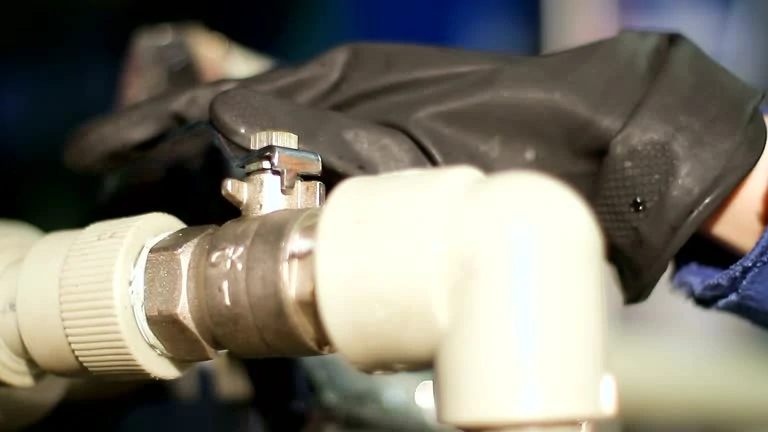
Non-return valves, also known as check valves, are essential components in fluid and gas systems, ensuring that flow moves in only one direction. PVC non-return valves are particularly popular due to their affordability, durability, and ease of installation. They are widely used in residential, commercial, and industrial applications to prevent backflow, which can lead to contamination, system damage, and inefficiencies. PVC is corrosion-resistant, lightweight, and suitable for various pipe configurations. This guide provides step-by-step instructions on installing PVC non-return valves and maintaining their functionality. Understanding the correct installation and proper maintenance techniques can help you extend the life of your valve and enhance system performance.
Choosing the Right Non-Return Valve
Selecting the right non-return valve is crucial for ensuring the efficiency and longevity of your system. PVC check valves are ideal for low to medium pressure systems and are perfect for use in water systems, sewage, and irrigation systems. When choosing the right valve, you must consider factors such as the size of the pipe, pressure ratings, fluid type, and flow rate. For example, if you’re installing the valve in a sewage system, a valve made from durable PVC will resist corrosion and withstand chemical exposure. Always ensure the valve is rated for the application’s pressure and temperature conditions. The correct valve size is equally important; a mismatch can lead to system inefficiencies, leaks, or backflow problems.
Preparing for Installation
Proper preparation ensures a smooth installation process and guarantees that your non-return valve functions correctly. Before starting, turn off the system or water supply to avoid any accidents. If replacing an old valve, carefully remove it and clean the ends of the pipe. Use a wire brush to eliminate any debris or corrosion. The pipe ends must be smooth to ensure the proper sealing of the valve. Next, gather the necessary tools: pipe cutters or saws for cutting the pipes, PVC primer, and cement for bonding. Check the valve and its components to ensure everything is in good condition. Most importantly, check the flow direction indicated on the valve. The valve should always allow fluid to flow in the correct direction.
Installing the PVC Non-Return Valve
Installing a PVC non-return valve requires precise measurement, cutting, and cementing. Start by measuring and marking the correct section of the pipe where you will install the valve. Use a pipe cutter or saw to cut the pipe cleanly. Then, smooth out any rough edges on the cut pipe to avoid damaging the valve or seals during installation. Next, apply PVC primer to both the valve connection and pipe ends. This ensures the pipe and valve surfaces are ready for cementing. Apply PVC cement to the primed areas and immediately insert the valve into place. Hold the valve in position for a few seconds to ensure proper bonding. Be sure that the flow direction is aligned with the valve. This is crucial to prevent backflow. Allow the cement to set according to the manufacturer’s instructions before proceeding.
Testing the Installation
After installation, it’s crucial to test the valve to ensure it works as expected. Slowly turn on the water or fluid supply and check for any leaks around the valve connections. Observe the system closely to ensure the valve is functioning correctly. A properly installed non-return valve will allow fluid to flow in one direction and prevent backflow. If you notice any leakage or abnormal flow, check the valve’s position, connections, and cement bonding. Sometimes, a misalignment or a poorly bonded connection may cause leakage. In such cases, take corrective action by tightening the connections or reinstalling the valve. Perform regular checks to ensure the valve continues to function effectively.
Maintaining PVC Non-Return Valves
Maintenance is essential to extend the life of PVC non-return valves and keep them operating at peak efficiency. Although PVC is resistant to corrosion, debris, sediment, and mineral buildup can obstruct the valve over time. Regularly inspect the valve for any signs of wear, such as cracking, deformation, or leaks. If you detect any problems, clean or replace the valve immediately. To clean the valve, remove any blockages or sediment that may have built up, ensuring that the valve opens and closes freely. In addition to cleaning, check for any potential pressure imbalances or signs of backflow that may indicate the valve is not functioning properly. Regularly replacing the seals and components of the valve can prevent future issues and ensure its longevity. By following a preventive maintenance schedule, you can avoid costly repairs and downtime.
Common Issues and Troubleshooting
Even with regular maintenance, some issues may arise during the life of a PVC non-return valve. One of the most common problems is leakage around the valve connections. This can happen if the pipe is not cut correctly or if the cementing process was rushed. To fix this, turn off the water supply and reapply PVC primer and cement, ensuring that the connections are clean and dry before reassembling the valve. Another common issue is valve sticking, which occurs due to dirt, debris, or build-up in the valve mechanism. To resolve this, clean the valve thoroughly and ensure that there is no obstruction preventing smooth operation. If the valve is still malfunctioning, it may need to be replaced entirely.
Conclusion
Proper installation and maintenance of PVC non-return valves are critical to ensuring the efficiency and longevity of fluid systems. Choosing the right valve, preparing the system correctly, and following the installation steps carefully will prevent common issues such as backflow, leaks, and inefficiencies. Testing the valve after installation and performing regular maintenance will keep the valve functioning optimally. With proper care, PVC non-return valves can provide reliable performance for years, protecting your system from contamination and damage. Following the guidelines in this installation guide will help you optimize the performance of your PVC non-return valve and keep your plumbing or fluid systems running smoothly.
Normes internationales pour les robinets à tournant sphérique en laiton
Les vannes à boisseau sphérique en laiton sont largement utilisées dans diverses applications de contrôle des fluides en raison de leur durabilité, de leur fiabilité et de leur grande résistance à la corrosion. Afin de garantir que ces vannes répondent aux exigences de sécurité et de performance, elles sont conçues conformément à de nombreuses normes internationales. Par exemple, la norme ASTM 2846 définit les spécifications des vannes à boisseau sphérique en thermoplastique, tandis que les normes DIN 8079/8080 se concentrent sur la compatibilité avec les tuyaux en polyéthylène et en polypropylène. De plus, des normes telles que ASTM F441/F441M SCH80 et AS/NZS 1477 garantissent l'efficacité des vannes dans les systèmes de tuyauterie en PVC. Grâce à ces réglementations strictes, les vannes à boisseau sphérique en laiton conservent des performances optimales, garantissant leur compatibilité avec les environnements résidentiels et industriels, y compris les réseaux d'eau potable, grâce à des certifications telles que NSF/ANSI 14.
Connecter
IFAN est un fabricant chinois de tuyaux en plastique, fittings and valves with 30 years of experience. If you are interest in IFAN copper fittings, copper valves, plastic pipes and fittings, please contact us. IFAN offers you a variety of standard pipes to meet your specific needs. Click below to learn more about IFAN’s wide range of affordable and cost-effective valve products and piping system related products.
Nous répondrons à votre e-mail ou fax dans les 24 heures.
Vous pouvez nous appeler à tout moment si vous avez des questions sur notre production.
Pour plus d'informations, veuillez visiter notre site Web https://www.waterpipefactory.com/
Veuillez envoyer un mail à : [email protected]
WhatsApp : + 86 152 1588 7738