
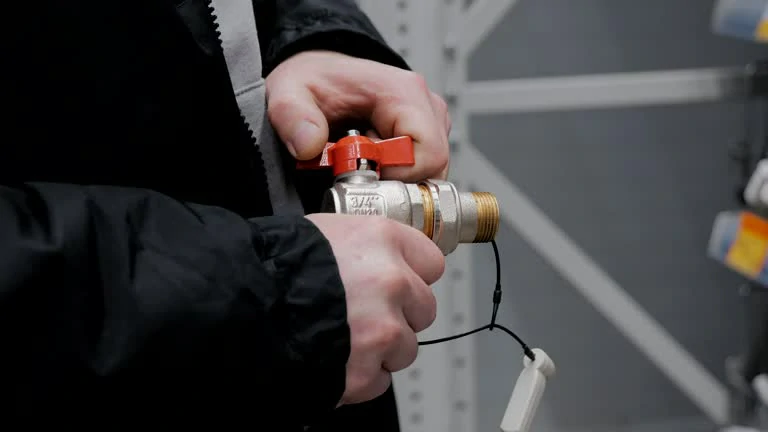
Non-return valve, also known as check valves, are crucial in fluid and gas systems to prevent backflow. When it comes to plumbing and industrial applications, PVC (polyvinyl chloride) non-return valves provide a cost-effective and durable solution. These valves ensure that fluids flow in one direction only, preventing contamination, system damage, and inefficiencies caused by backflow. PVC’s resistance to corrosion, lightweight nature, and ease of installation make it an ideal material for these valves. In this article, we will explore the function, benefits, types, and applications of PVC non-return valves, providing a comprehensive understanding of their importance.
What is a Non-Return Valve?
A non-return valve is a simple but vital device designed to allow fluid or gas to flow in only one direction. It automatically prevents reverse flow, which could otherwise lead to contamination, loss of pressure, or equipment damage. Typically, these valves consist of a valve body, a spring-loaded disc or ball, and a seat. When fluid flows in the correct direction, the valve opens, allowing passage. When backflow occurs, the valve closes, blocking the reverse movement. Non-return valves come in various materials, but PVC offers unique advantages in many applications.
Benefits of PVC Non-Return Valves
PVC non-return valves offer several benefits in both residential and industrial settings. One of the key advantages is corrosion resistance. Unlike metal valves, PVC does not rust or corrode when exposed to water, chemicals, or other harsh substances. This durability extends the valve’s lifespan and reduces the need for maintenance or replacements. PVC valves are also lightweight, making installation faster and easier. They are cost-effective, which is particularly important for large-scale applications. Additionally, PVC valves offer excellent resistance to abrasion, ensuring long-lasting performance even in demanding environments.
Types of PVC Non-Return Valves
Several types of PVC non-return valves exist, each suited to specific applications. The most common types include swing check valves, spring-loaded check valves, and ball check valves. Swing check valves use a hinged disk to allow flow in one direction and prevent reverse flow when closed. Spring-loaded check valves feature a spring mechanism that pushes the valve shut when backflow occurs, providing a tighter seal. Ball check valves utilize a ball that seals the valve seat when reverse flow is detected. Each of these valve types is available in different sizes and pressure ratings to meet various system requirements.
Applications of PVC Non-Return Valves
PVC non-return valves are versatile and widely used in various industries. In plumbing, they prevent sewage and wastewater from flowing back into clean water lines, ensuring water quality and hygiene. In irrigation systems, they help maintain consistent water pressure by preventing backflow from sprinkler systems into the main water supply. PVC non-return valves are also commonly used in industrial applications, such as chemical processing, where they prevent hazardous fluids from contaminating clean water or other substances. In oil and gas pipelines, they protect equipment from reverse flow that could damage pumps and compressors.
Installing PVC Non-Return Valves
Installing a PVC non-return valve is straightforward and can typically be done by a skilled plumber or technician. The valve is usually installed in the pipeline where backflow prevention is needed. It is important to ensure the correct orientation when installing the valve, as the flow direction must be respected. Most PVC non-return valves feature clear markings to indicate the proper flow direction. Adequate space should be provided around the valve to allow for maintenance or replacement if needed. When installing PVC valves, proper sealing methods must be used to ensure leak-free operation, including the use of appropriate adhesives or sealants.
Maintaining PVC Non-Return Valves
PVC non-return valves require minimal maintenance, but regular inspection can extend their lifespan and maintain system efficiency. Over time, debris, sediment, or mineral buildup may cause the valve to malfunction or become less effective. Periodically check the valve for signs of wear, such as leakage or failure to seal properly. If a valve is stuck or not closing correctly, cleaning or replacing the valve’s internal components may be necessary. Ensuring that the valve is not subjected to pressure or temperature extremes beyond its rated limits will help preserve its integrity and functionality.
Conclusion
Non-return PVC valves provide an efficient, reliable, and cost-effective solution for preventing backflow in various systems. Their corrosion resistance, lightweight nature, and ease of installation make them ideal for both residential and industrial applications. Understanding the different types of PVC non-return valves and their respective benefits will help you choose the right valve for your needs. Proper installation and maintenance will ensure that these valves continue to function optimally, preventing system damage and maintaining efficiency. With their wide range of applications, PVC non-return valves are an essential component in fluid management systems worldwide.
Normes internationales pour les robinets à tournant sphérique en laiton
Les vannes à boisseau sphérique en laiton sont largement utilisées dans diverses applications de contrôle des fluides en raison de leur durabilité, de leur fiabilité et de leur grande résistance à la corrosion. Afin de garantir que ces vannes répondent aux exigences de sécurité et de performance, elles sont conçues conformément à de nombreuses normes internationales. Par exemple, la norme ASTM 2846 définit les spécifications des vannes à boisseau sphérique en thermoplastique, tandis que les normes DIN 8079/8080 se concentrent sur la compatibilité avec les tuyaux en polyéthylène et en polypropylène. De plus, des normes telles que ASTM F441/F441M SCH80 et AS/NZS 1477 garantissent l'efficacité des vannes dans les systèmes de tuyauterie en PVC. Grâce à ces réglementations strictes, les vannes à boisseau sphérique en laiton conservent des performances optimales, garantissant leur compatibilité avec les environnements résidentiels et industriels, y compris les réseaux d'eau potable, grâce à des certifications telles que NSF/ANSI 14.
Connecter
IFAN est un fabricant chinois de tuyaux en plastique, fittings and valves with 30 years of experience. If you are interest in IFAN copper fittings, copper valves, plastic pipes and fittings, please contact us. IFAN offers you a variety of standard pipes to meet your specific needs. Click below to learn more about IFAN’s wide range of affordable and cost-effective valve products and piping system related products.
Nous répondrons à votre e-mail ou fax dans les 24 heures.
Vous pouvez nous appeler à tout moment si vous avez des questions sur notre production.
Pour plus d'informations, veuillez visiter notre site Web https://www.waterpipefactory.com/
Veuillez envoyer un mail à : [email protected]
WhatsApp : + 86 152 1588 7738