
Introduction to Recycled HDPE Plastic
Recycled HDPE plastic has become a key player in the global push toward sustainability and circular economy practices. High-Density Polyethylene (HDPE) is a versatile plastic known for its strength, chemical resistance, and durability. When recycled, HDPE retains many of these valuable properties, making it a sustainable alternative to virgin plastic. Moreover, recycling HDPE reduces landfill waste and conserves resources, which benefits both the environment and industries. As awareness about environmental protection grows, recycled HDPE plastic gains importance in various sectors, creating new opportunities and challenges.
What Is Recycled HDPE Plastic?
Recycled HDPE plastic is produced by collecting post-consumer or post-industrial HDPE waste and processing it into reusable raw material. This process includes cleaning, shredding, melting, and pelletizing the plastic, resulting in recycled resin. The quality of recycled HDPE depends on the source material and the recycling process. Thanks to advances in recycling technology, recycled HDPE can now meet stringent quality standards for many applications. Importantly, recycled HDPE helps reduce the need for fossil fuel extraction used in producing virgin plastics, thereby lowering carbon emissions and energy consumption.
Eco-Friendly Uses of Recycled HDPE
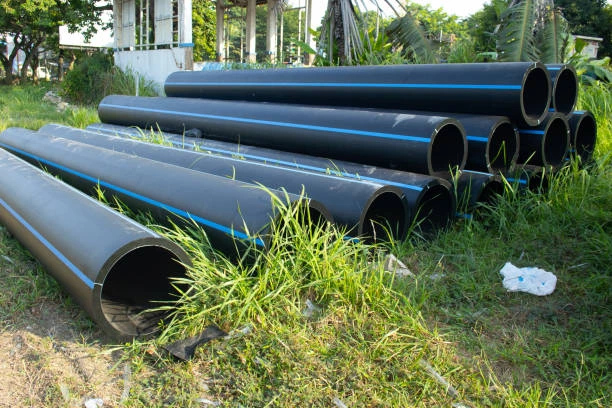
Recycled HDPE has a wide range of eco-friendly uses that align with sustainable manufacturing and consumption goals. Firstly, recycled HDPE is widely used in the production of packaging materials such as bottles, containers, and crates. These products are recyclable again, which promotes a closed-loop system and reduces plastic pollution. Secondly, recycled HDPE is used in construction materials, including pipes, plastic lumber, and geomembranes. These products benefit from HDPE’s durability and weather resistance while minimizing environmental impact. Thirdly, agriculture utilizes recycled HDPE in irrigation systems and mulch films, helping farmers adopt greener practices.
Beyond these industries, recycled HDPE finds applications in consumer goods such as toys, furniture, and household items. Manufacturers increasingly incorporate recycled HDPE to meet green certifications and consumer demand for eco-conscious products. Additionally, recycled HDPE is used in automotive parts and electronics casings, where lightweight and toughness are essential. Each application of recycled HDPE reduces reliance on virgin plastic and promotes resource efficiency. Therefore, the versatility of recycled HDPE drives sustainable development across diverse sectors.
Market Trends and Growth Drivers
The market for recycled HDPE plastic is expanding rapidly due to increasing environmental regulations and consumer awareness. Governments worldwide are introducing stricter policies to limit plastic waste, including bans on single-use plastics and mandatory recycling targets. These policies encourage companies to integrate recycled materials into their supply chains. Additionally, many global brands commit to sustainability goals by increasing recycled content in their packaging and products. This trend creates strong demand for high-quality recycled HDPE resin.
Technological advancements have also improved the quality and availability of recycled HDPE. Modern sorting and cleaning systems enable more efficient recovery of HDPE from mixed plastic waste streams. As a result, recycled HDPE pellets with consistent properties are now accessible to manufacturers. Moreover, innovations in chemical recycling promise to further enhance the recyclability of HDPE in the future. These factors contribute to market growth and support a more circular plastic economy.
Consumer preference plays a crucial role as well. Today’s buyers are more environmentally conscious and favor brands that use recycled materials. Transparency in sourcing and eco-labeling boost consumer trust and willingness to pay for sustainable products. Consequently, recycled HDPE products often command a competitive edge in the marketplace. Sustainability certifications, such as those from the Forest Stewardship Council (FSC) or Cradle to Cradle, add value to recycled HDPE offerings.
Challenges Facing the Recycled HDPE Market
Despite promising growth, the recycled HDPE market faces several challenges. One major issue is contamination in recycled plastic waste, which can degrade the quality of recycled HDPE resin. Contaminants such as food residues, other plastics, or labels complicate recycling processes and require costly cleaning steps. Furthermore, inconsistent supply of high-quality recyclable HDPE limits production capacity and pricing stability. These factors sometimes make virgin HDPE more attractive to manufacturers.
Another challenge involves public perception and regulatory inconsistencies. Some consumers and companies still doubt the performance and safety of recycled plastics. This skepticism can slow adoption despite evidence of recycled HDPE’s comparable quality. Additionally, regulations on recycled content vary widely between regions, creating barriers for global companies. Harmonizing standards and improving communication about recycled HDPE benefits are crucial to overcoming these hurdles.
Perspectives d'avenir et opportunités
Looking ahead, the recycled HDPE market shows strong potential for growth and innovation. Continued investment in recycling infrastructure and technology will improve efficiency and resin quality. Chemical recycling and advanced sorting methods may enable near-complete recovery of HDPE waste, addressing contamination issues. Furthermore, expanding applications for recycled HDPE in emerging sectors such as 3D printing, renewable energy, and medical devices present exciting opportunities.
Companies that embrace recycled HDPE can enhance their sustainability profile and comply with evolving regulations. Partnerships between governments, recyclers, and manufacturers will be key to building a robust supply chain for recycled HDPE. Education and marketing campaigns can also help shift consumer attitudes toward recycled products. Ultimately, recycled HDPE supports a circular economy by turning plastic waste into valuable resources, reducing environmental impact, and fostering economic growth.
Conclusion
In summary, recycled HDPE plastic plays a vital role in promoting environmental sustainability and circular economy principles. Its eco-friendly uses span packaging, construction, agriculture, consumer goods, and more, offering durable and versatile alternatives to virgin plastic. Market trends driven by regulations, technology, and consumer demand fuel growth, though challenges like contamination and perception remain. With ongoing innovation and collaboration, recycled HDPE will continue to expand its presence and impact. Embracing recycled HDPE not only benefits businesses and consumers but also contributes to a healthier planet for future generations.
Normes internationales de l'IFAN
Pour répondre aux exigences mondiales de qualité, Tuyaux en PEHD IFAN suivre un large éventail de normes internationales, telles que ASTM D3035, ISO 4427, EN 12201, et GB/T 13663Ces normes définissent la résistance, la durabilité et la sécurité des tuyaux. De plus, l'IFAN est conforme à DIN 8074/8075, AS/NZS 4130, JIS K6760, BS 6572, et CSA B137.1, rendant leurs produits adaptés aux systèmes d'eau, de gaz et industriels du monde entier. L'IFAN répondant à toutes ces certifications reconnues, les utilisateurs peuvent choisir IFAN en toute confiance pour des performances fiables dans tous les environnements.
Connecter
IFAN est un fabricant chinois de tubes, raccords et vannes en plastique fort de 30 ans d'expérience. Si vous êtes intéressé par les raccords en cuivre, les vannes en cuivre, les tubes et raccords en plastique IFAN, n'hésitez pas à nous contacter. IFAN vous propose une variété de tubes standards pour répondre à vos besoins spécifiques. Cliquez ci-dessous pour en savoir plus sur la vaste gamme de vannes et de systèmes de tuyauterie abordables et économiques d'IFAN.
Nous répondrons à votre e-mail ou fax dans les 24 heures.
Vous pouvez nous appeler à tout moment si vous avez des questions sur notre production.
Pour plus d'informations, veuillez visiter notre site Web https://www.waterpipefactory.com/
Veuillez envoyer un mail à : [email protected]
WhatsApp : + 86 152 1588 7738