
Market Overview and Growth Trajectory
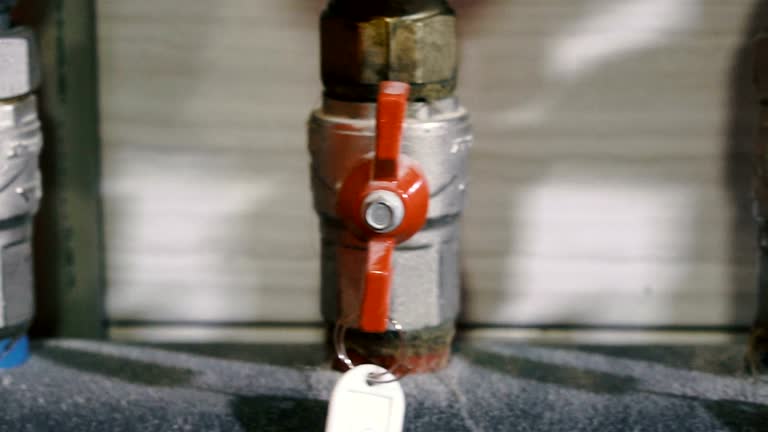
Le mondial robinet à boisseau sphérique en laiton chromé market demonstrates robust economic momentum, driven by rising demand in construction, manufacturing, and energy sectors. Valued at $2.8 billion in 2023, the market expects a 6.2% CAGR through 2030. Chromed brass ball valves dominate due to their corrosion resistance, aesthetic appeal, and cost-efficiency. Urbanization in Asia and infrastructure upgrades in Europe and North America sustain steady growth, while emerging economies prioritize water management and industrial automation.
Key Economic Drivers
Rapid industrialization in developing nations accelerates demand for reliable fluid control systems. Governments invest in water supply networks and smart city projects, directly boosting valve adoption. Energy sector expansions—particularly in oil, gas, and renewables—require durable valves for high-pressure applications. Additionally, stricter environmental regulations push industries to replace outdated components with compliant, high-performance chromed brass alternatives.
Industrial Applications and Sectoral Demand
Chromed brass ball valves serve critical roles across industries. In residential plumbing, they ensure leak-free water distribution. Chemical plants rely on their chemical resistance for aggressive fluid handling. The oil and gas sector uses them in pipelines and refineries, while HVAC systems depend on their precision for temperature regulation. Agriculture leverages these valves for irrigation, and the food industry adopts them to meet hygiene standards.
Regional Economic Dynamics
Asia-Pacific commands over 45% of market revenue, with China and India leading due to massive infrastructure projects. Europe emphasizes sustainability, driving demand for eco-friendly valves in retrofitting projects. North America benefits from shale gas exploration and smart home trends. Latin America and the Middle East see growth in mining and energy sectors, while Africa’s water scarcity challenges spur investments in valve-integrated solutions.
Competitive Landscape and Pricing Strategies
Top players like LIXIL, NIBCO, and Watts Water Technologies leverage economies of scale and global supply chains to dominate. Regional manufacturers compete through localized pricing and custom designs. Premium brands focus on certifications (e.g., ISO 4437, ASTM D2513) to justify higher costs, while budget suppliers target price-sensitive markets. E-commerce platforms disrupt traditional distribution, enabling SMEs to access global customers.
Innovation and Cost-Saving Technologies
Advances in chrome plating reduce production costs and environmental impact. Smart valves with IoT sensors enable predictive maintenance, cutting downtime expenses. Automation in manufacturing streamlines output, while 3D printing allows rapid prototyping of complex designs. Recycled brass gains traction, aligning with circular economy goals. Lightweight valve designs lower shipping costs and installation labor.
Economic Challenges and Risk Factors
Volatile brass prices—linked to copper and zinc markets—pressure profit margins. Cheaper alternatives like PVC and stainless steel threaten low-end market segments. Trade tariffs and geopolitical tensions disrupt supply chains, while compliance costs for standards (e.g., CSA B137.1, JIS B 8381) strain smaller firms. Counterfeit products in emerging markets erode brand value and consumer trust.
Future Economic Opportunities
Smart city initiatives and renewable energy projects (e.g., hydrogen pipelines, solar plants) will drive next-generation valve demand. Lead-free and antimicrobial variants cater to health-conscious markets. Digital twins and AI-driven valve optimization software create service-based revenue streams. Partnerships with ESG-focused investors enhance funding for sustainable innovations. Emerging markets in Southeast Asia and Africa offer untapped potential for affordable, scalable solutions.
Conclusion
The chromed brass ball valve market thrives on innovation, regulatory alignment, and strategic regional expansion. Stakeholders prioritizing cost efficiency, sustainability, and digital integration will capitalize on evolving industrial and consumer needs, securing long-term economic resilience in a competitive global landscape.
Robinets à boisseau sphérique IFAN : conformité et précision mondiales
IFAN conçoit des robinets à boisseau sphérique en laiton chromé conformes aux normes mondiales (ASTM D2513, ISO 4437, EN 1555, DIN 8074/8075, GB/T 13663, AS/NZS 4130, BS 5405, CSA B137.1 et JIS B 8381), garantissant durabilité, performances d'étanchéité et compatibilité dans les applications résidentielles, industrielles et municipales du monde entier.
Connecter
IFAN est un fabricant chinois de tuyaux en plastique, fittings and valves with 30 years of experience. If you are interest in IFAN copper fittings, copper valves, plastic pipes and fittings, please contact us. IFAN offers you a variety of standard pipes to meet your specific needs. Click below to learn more about IFAN’s wide range of affordable and cost-effective valve products and piping system related products.
Nous répondrons à votre e-mail ou fax dans les 24 heures.
Vous pouvez nous appeler à tout moment si vous avez des questions sur notre production.
Pour plus d'informations, veuillez visiter notre site Web https://www.waterpipefactory.com/
Veuillez envoyer un mail à : [email protected]
WhatsApp : + 86 152 1588 7738