
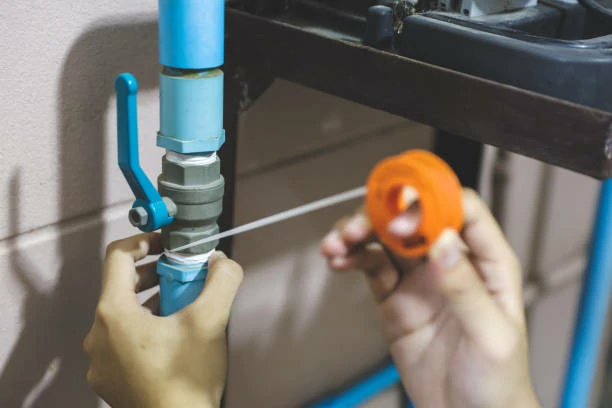
Valve control mechanisms regulate fluid flow, pressure, and direction in various systems. These mechanisms ensure efficient operation in industries like water treatment, oil and gas, power generation, and manufacturing. Different control methods, including manual, electric, pneumatic, and hydraulic actuation, provide various levels of precision and automation. Selecting the right valve control mechanism enhances system efficiency, reduces energy consumption, and ensures long-term reliability.
Each control method offers unique advantages depending on system requirements. Manual valves provide simplicity and cost-effectiveness for low-maintenance applications. Electric actuators deliver precise control and automation for industrial processes. Pneumatic systems offer fast response times and are ideal for hazardous environments. Hydraulic actuators ensure high-force operation, making them suitable for heavy-duty applications. For example, an oil refinery may use pneumatic valves for safety and electric actuators for precise flow adjustments. Understanding these mechanisms helps industries optimize fluid control, minimize operational risks, and extend equipment lifespan. Proper selection and maintenance of valve control systems lead to enhanced productivity, reduced downtime, and improved safety in various industrial and household applications.
1. Manual Valve Control Mechanisms
Manual control mechanisms use hand-operated levers, wheels, or handles to regulate fluid flow. These are cost-effective and easy to operate but require human intervention. Gate valves, ball valves, and butterfly valves commonly use manual control. For example, a manual ball valve in a home plumbing system allows users to turn water supply on or off quickly. Industrial applications use manual valves where automation is unnecessary, such as backup shut-off systems. While manual control provides simplicity, it may not be suitable for large-scale or high-pressure systems requiring frequent adjustments.
2. Electric Valve Control Mechanisms
Electric actuators automate valve operation using motors and electronic controls. These mechanisms provide precise flow regulation and remote operation. Solenoid valves, motorized ball valves, and electrically actuated gate valves are common examples. For instance, in water treatment plants, electric valves control water flow based on real-time demand, reducing waste and improving efficiency. Industrial automation systems use electric control mechanisms for synchronized operations across multiple valves. Despite their advantages, electric actuators require power sources and may need protective enclosures in harsh environments.
3. Pneumatic Valve Control Mechanisms
Pneumatic control mechanisms use compressed air to operate valves, offering fast response times and reliability. These systems are commonly used in chemical processing, food manufacturing, and power plants. Pneumatic actuators are ideal for hazardous environments where electrical components pose safety risks. For example, an air-operated diaphragm valve in a pharmaceutical plant ensures precise ingredient mixing. These mechanisms require air supply systems and proper maintenance to prevent pressure leaks or operational delays. Pneumatic control provides an energy-efficient and safe solution for automated valve operations.
4. Hydraulic Valve Control Mechanisms
Hydraulic actuators use pressurized fluid to control valves, providing high force and precise movement. These mechanisms are used in heavy machinery, oil refineries, and high-pressure systems. Hydraulic valves handle large flow rates and extreme conditions without performance loss. For example, in hydroelectric power plants, hydraulic actuators regulate turbine water flow, ensuring consistent energy production. While hydraulic systems offer durability, they require regular maintenance to prevent leaks and contamination that could affect performance. Proper fluid management ensures reliable hydraulic valve operation in demanding applications.
5. Factors Affecting Valve Control Performance
Several factors influence valve control mechanism efficiency. System pressure, flow rate, and operating environment determine the suitable control type. Material selection impacts durability, with stainless steel and corrosion-resistant coatings providing longevity in harsh conditions. Control precision is crucial in applications like chemical dosing, where even minor flow variations affect product quality. For example, an automated dosing valve in water treatment adjusts chlorine levels to maintain safe drinking water. Proper installation and maintenance optimize valve performance, ensuring consistent system operation.
6. Advancements in Valve Control Technology
Modern valve control technology integrates smart automation, remote monitoring, and predictive maintenance. Smart valves use sensors to track pressure, temperature, and flow rate in real-time, enabling automatic adjustments. Wireless control systems enhance flexibility and reduce wiring costs. In industrial settings, IoT-enabled valve networks provide data insights, optimizing energy use and reducing downtime. For example, in oil pipelines, smart valve systems detect leaks and adjust flow to prevent environmental damage. As technology advances, valve control mechanisms become more efficient, reliable, and adaptable to evolving industry demands.
In conclusion, valve control mechanisms play a vital role in fluid system efficiency and safety. Understanding different control types helps industries select the best solution for their needs. Manual, electric, pneumatic, and hydraulic controls each offer unique advantages based on system requirements. Proper selection, maintenance, and integration of smart technologies enhance performance and reliability. As industries move toward automation and energy efficiency, advanced valve control mechanisms continue to improve operational effectiveness and resource management.
Normes internationales pour les robinets à tournant sphérique en laiton
Les vannes à boisseau sphérique en laiton sont largement utilisées dans diverses applications de contrôle des fluides en raison de leur durabilité, de leur fiabilité et de leur grande résistance à la corrosion. Afin de garantir que ces vannes répondent aux exigences de sécurité et de performance, elles sont conçues conformément à de nombreuses normes internationales. Par exemple, la norme ASTM 2846 définit les spécifications des vannes à boisseau sphérique en thermoplastique, tandis que les normes DIN 8079/8080 se concentrent sur la compatibilité avec les tuyaux en polyéthylène et en polypropylène. De plus, des normes telles que ASTM F441/F441M SCH80 et AS/NZS 1477 garantissent l'efficacité des vannes dans les systèmes de tuyauterie en PVC. Grâce à ces réglementations strictes, les vannes à boisseau sphérique en laiton conservent des performances optimales, garantissant leur compatibilité avec les environnements résidentiels et industriels, y compris les réseaux d'eau potable, grâce à des certifications telles que NSF/ANSI 14.
Connecter
IFAN est un fabricant chinois de tuyaux en plastique, fittings and valves with 30 years of experience. If you are interest in IFAN copper fittings, copper valves, plastic pipes and fittings, please contact us. IFAN offers you a variety of standard pipes to meet your specific needs. Click below to learn more about IFAN’s wide range of affordable and cost-effective valve products and piping system related products.
Nous répondrons à votre e-mail ou fax dans les 24 heures.
Vous pouvez nous appeler à tout moment si vous avez des questions sur notre production.
Pour plus d'informations, veuillez visiter notre site Web https://www.waterpipefactory.com/
Veuillez envoyer un mail à : [email protected]
WhatsApp : + 86 152 1588 7738