
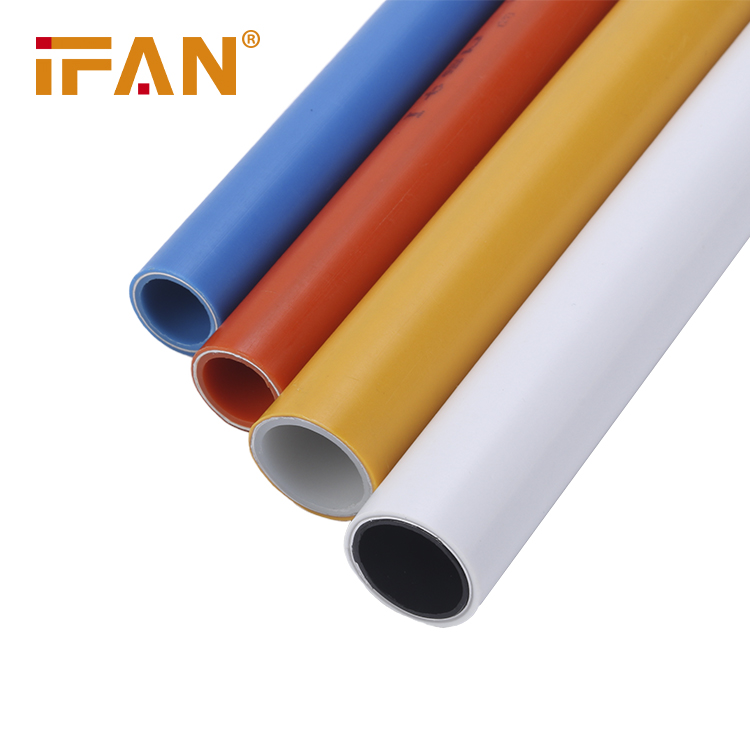
Quelle méthode est la meilleure pour le PEX ?
PEX (cross-linked polyethylene) tubing is a popular material used in plumbing systems due to its flexibility and durability. However, when it comes to installing PEX, you have two main options: crimping and clamping. In this article, we’ll take a closer look at the pros and cons of each method to help you determine which one is better for your project.
Crimping involves using a special tool to compress a metal ring (also known as a “crimp ring”) around the PEX tubing and a fitting. This creates a secure, leak-proof connection. One of the main advantages of crimping is its speed – it’s a relatively quick and easy process. Additionally, crimped connections are less likely to leak over time and can handle higher pressures than clamped connections.
Clamping, also known as cinching, involves using a different tool to tighten a stainless steel ring around the PEX tubing and a fitting. Like crimping, clamping creates a secure, leak-proof connection. However, clamped connections are generally less expensive than crimped connections, as the tools required for clamping are less expensive.
So, which method is better for PEX – crimping or clamping? It ultimately depends on your specific needs and preferences. Crimping is faster and can handle higher pressures, but it requires a more expensive tool. Clamping is less expensive but may not be as durable over the long term. Additionally, some people find clamping easier to work with, as the tools required are simpler.
Overall, both crimping and clamping are effective methods for securing PEX connections. Your decision on which method to use should be based on factors such as budget, skill level, and the specific needs of your project. With proper installation and maintenance, either method can create a reliable, leak-proof plumbing system.
conclusion :Crimping vs. Clamping: Which Method is Better for PEX?
In conclusion, whether you choose to crimp or clamp your PEX connections, it’s important to follow the manufacturer’s instructions and to use the appropriate tools and materials for the job. By doing so, you can ensure that your plumbing system is safe, reliable, and long-lasting.
IFAN L'usine IFAN a ouvert ses portes en 1993. IFAN dispose d'un atelier de 120 000 m² et emploie 610 personnes. IFAN conçoit et fabrique tous types de tuyaux et raccords de plomberie, notamment des tubes et raccords en PPR, PVC, CPVC, PPSU, PEHD, PEXA, PEXB, PERT, des raccords en laiton, des robinets à tournant sphérique en laiton et des systèmes de chauffage. Depuis 30 ans, IFAN n'a jamais oublié sa mission : protéger la santé et la sécurité. Nous utilisons les meilleurs matériaux pour produire des tuyaux et raccords de haute qualité grâce à une ligne de production automatique et des machines de contrôle qualité de pointe. Plus important encore, IFAN garantit la qualité de tous ses tuyaux et raccords. Pour plus d'informations, n'hésitez pas à nous contacter sur Facebook.