
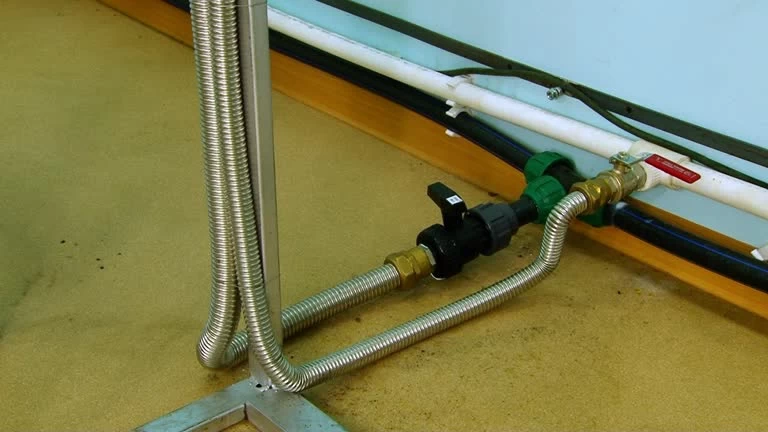
The price of a 2-inch pipe, whether made from materials like PVC, HDPE, or steel, can vary significantly depending on a variety of factors. These fluctuations in cost are a result of global market trends, material availability, manufacturing processes, and regional considerations. Understanding these influencing factors helps businesses, contractors, and consumers make informed decisions when purchasing pipes for construction, plumbing, or industrial purposes. In this article, we explore the key elements that drive the changes in the price of a 2-inch pipe.
Material Prices and Raw Material Availability
The material from which a pipe is made plays a crucial role in its price. For instance, PVC, HDPE, and steel pipes each come with their own cost implications due to the raw materials required. When the prices of petroleum or natural gas rise, so does the cost of plastics like PVC and HDPE, as they are petroleum-based products. Conversely, steel pipes may become more expensive when the price of iron ore or other metals rises. The availability of these raw materials can also impact pipe prices, as supply shortages or surpluses influence costs. Any disruption in global supply chains, such as mining strikes or transportation issues. Can lead to sudden price fluctuations for pipes made from these materials.
Demand and Market Trends
The demand for pipes fluctuates in tandem with construction and infrastructure development projects, which are directly linked to economic activity. In times of economic boom, the demand for pipes can increase due to a rise in construction, roadworks, and the need for plumbing or industrial installations. This higher demand can drive prices up, especially for materials that are in short supply. Conversely, during economic downturns, reduced demand in these sectors can lower pipe prices as suppliers look to move excess inventory. Market trends in specific industries, such as energy or water management, also play a role in driving demand and impacting the price of pipes.
Geographic Location and Shipping Costs
Geography has a significant impact on the price of a 2-inch pipe. The cost of transporting pipes from manufacturing plants to the point of use can vary based on the distance, region, and availability of transportation infrastructure. For example, in areas where pipes are imported, shipping costs, import duties, and tariffs can all increase the final price. On the other hand, local production may result in lower prices, as shipping costs are reduced, and import fees are avoided. Regional supply and demand can also cause price variations, with some areas experiencing higher prices due to local shortages or increased demand, especially in remote locations or during urgent projects.
Changes in Manufacturing Technology and Efficiency
Technological advancements in manufacturing processes have had a significant impact on the cost of producing 2-inch pipes. Automation, new molding techniques, and improved extrusion technologies have allowed manufacturers to produce pipes more efficiently and at a lower cost. However, the introduction of more advanced technologies may require a significant upfront investment, which can cause temporary price increases until economies of scale are realized. Similarly, energy costs required for production can also fluctuate, affecting the overall price of pipe manufacturing. As manufacturers adopt new processes, they may pass on the savings or costs to consumers, leading to price changes over time.
Inflation and Currency Exchange Rates
Inflation and currency fluctuations play an essential role in the price changes of 2-inch pipes. As inflation rises, the cost of labor, raw materials, and transportation all tend to increase, leading to higher prices for pipes. In addition, exchange rate fluctuations can cause international prices to rise or fall depending on the relative value of a country’s currency. For example, if the value of the US dollar weakens, it can make imported pipes more expensive, as manufacturers will need to account for the higher cost of foreign goods. Similarly, if currency values fluctuate in major manufacturing regions, it can affect pricing in global markets.
Regulatory Changes and Standards
Changes in government regulations and industry standards can have a profound effect on the price of 2-inch pipes. For instance, when new safety standards or environmental regulations are introduced, manufacturers may need to invest in new production methods or materials to comply with these standards. These changes can result in higher production costs, which are often passed on to the consumer. Pipes that meet certain certifications or quality standards, such as those required for potable water systems, may be more expensive than standard pipes due to the additional testing and compliance requirements involved. As regulations evolve, so too can the cost of pipes in the market.
Competition Among Manufacturers and Suppliers
Competition within the pipe manufacturing and supply industry also influences pricing. In regions where multiple manufacturers or suppliers offer similar products. Competition can lead to lower prices as companies strive to offer the best deal. On the other hand, when there is limited competition due to monopolies or fewer suppliers, prices may increase. Buyers should consider the range of suppliers available, as their pricing structures can vary significantly. Additionally, manufacturers who offer value-added services, such as custom cutting or delivery options. May charge higher prices for pipes but provide additional convenience or flexibility to customers.
Seasonal and Short-Term Price Fluctuations
Seasonality is another factor that causes price variations in 2-inch pipes. For instance, in regions with harsh winters, demand for certain types of pipes can increase in the fall as construction projects rush to complete before the colder months. Similarly, during certain agricultural seasons, demand for irrigation systems may cause a temporary rise in the cost of specific types of pipes. Weather-related disruptions, such as hurricanes or floods, can also disrupt supply chains, leading to short-term price increases as manufacturers and suppliers work to recover. Buyers need to be aware of these seasonal trends to make timely purchases and potentially avoid higher costs.
Következtetés
The price of a 2-inch pipe is not a static figure, as it fluctuates based on numerous factors. Including material costs, market demand, geographic location, manufacturing technologies, and external economic influences. Understanding these factors helps buyers anticipate changes in price and make well-informed purchasing decisions. By staying updated on the latest market trends, supply chain dynamics, and technological advancements. Both businesses and consumers can better navigate the complexities of the pipe market and secure the best possible pricing for their needs.
Csatlakozás
Az IFAN egy kínai gyártó műanyag csövek, fittings and valves with 30 years of experience. If you are interest in IFAN copper fittings, copper valves, plastic pipes and fittings, please contact us. IFAN offers you a variety of standard pipes to meet your specific needs. Click below to learn more about IFAN’s wide range of affordable and cost-effective valve products and piping system related products.
24 órán belül válaszolunk e-mailjére vagy faxára.
Bármikor hívhat minket, ha bármilyen kérdése van a gyártásunkkal kapcsolatban.
További információkért kérjük, látogassa meg weboldalunkat https://www.waterpipefactory.com/
Kérlek, küldj e-mailt: [email protected]
WhatsApp: + 86 152 1588 7738