
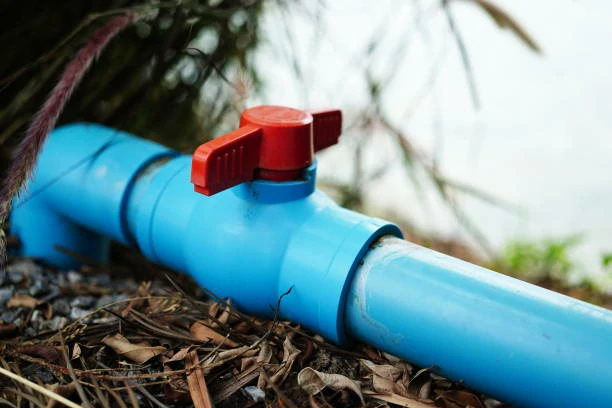
PVC valve is becoming increasingly popular in industries where corrosive substances are frequently handled.Their versatility, cost-effectiveness, and resistance to various harsh chemicals make them the ideal choice for numerous applications. In industries such as chemical processing, water treatment, and wastewater management, PVC valves offer long-lasting performance and reliable functionality. This article will explore why PVC valves are perfect for corrosive environments, their key features, benefits, and how they help improve system efficiency and safety.
1. Corrosion Resistance of PVC Valve
The primary reason PVC valves are ideal for corrosive environments is their superior resistance to corrosion. Unlike metal valves, which can degrade when exposed to acidic or alkaline substances, PVC (Polyvinyl Chloride) is highly resistant to corrosion caused by most chemicals. PVC valves can withstand exposure to aggressive substances like chlorine, acids, and salts without deteriorating or compromising their functionality. This makes them highly effective in environments where metal valves would corrode, such as in chemical plants, wastewater treatment facilities, and saltwater applications. For instance, PVC valves in a saltwater treatment system prevent corrosion caused by constant exposure to salty water, thus ensuring long-term durability and reducing maintenance costs.
2. Cost-Effectiveness and Durability
PVC valves are significantly more affordable than metal valves, especially in applications where corrosion resistance is a concern. The cost of manufacturing PVC is lower than metals like stainless steel or brass, which reduces the overall expense of building and maintaining systems. Despite their lower cost, PVC valves do not sacrifice durability. They are highly resistant to wear and tear, and their longevity makes them an excellent investment for systems that need to withstand constant use. For example, in a chemical processing plant, replacing expensive metal valves with PVC valves can reduce operational costs significantly while providing reliable performance over time.
3. Lightweight and Easy to Install
Another significant advantage of PVC valve is their lightweight nature. Unlike metal valves, which can be heavy and difficult to handle, PVC valves are easy to transport and install, making them a practical choice for a wide range of applications. Their lightweight design reduces installation time and labor costs, especially in large-scale projects. In industries such as water treatment or irrigation, where valves are installed in bulk, the ease of installation is a crucial factor. PVC valve, being lightweight, also reduce the risk of system strain, which may otherwise lead to mechanical failures. For example, in a large irrigation system, using lightweight PVC valves makes installation and maintenance much faster and more cost-effective.
4. Resistance to High Temperatures
PVC valves are well-suited for environments where high temperatures are a concern. While PVC has a lower temperature tolerance than metals, it still performs well in a wide range of temperatures. For most applications, PVC valve can handle temperatures up to 140°F (60°C) without compromising their integrity. In systems involving hot chemicals or liquids, PVC valves are a reliable choice as they maintain their performance without warping, cracking, or leaking. In wastewater treatment plants, for example, PVC valves can handle the heat from chemical treatments and remain unaffected. Their ability to withstand elevated temperatures ensures they can function in industrial environments with higher operating temperatures.
5. Chemical Resistance and Versatility
PVC valves are known for their versatility in handling a broad spectrum of chemicals. From acids to alkalis, PVC valve exhibit excellent chemical resistance, making them ideal for a wide range of applications. Their ability to resist a variety of corrosive chemicals makes them a go-to choice in industries such as pharmaceuticals, food processing, and water treatment. PVC valves maintain their structural integrity and performance when exposed to aggressive chemicals, minimizing the risk of leaks or failures. For instance, in a chemical factory, PVC valves control the flow of acids without worrying about corrosion, ensuring consistent and safe operation. This level of chemical resistance is often unmatched by traditional metal valves.
6. Maintenance and Longevity
One of the key benefits of using PVC valves in corrosive environments is their low maintenance requirements. Since PVC does not corrode or rust, it reduces the need for frequent inspections or replacements, which is typical with metal valves. The long lifespan of PVC valves makes them an excellent choice for applications where minimizing downtime is critical. In industries where continuous operation is essential, such as in water treatment plants or pharmaceutical manufacturing, the low-maintenance nature of PVC valves reduces operational costs and downtime. Furthermore, the simple design of PVC valves allows for easy repair if needed, ensuring minimal disruption to the system. For instance, in a large-scale irrigation system, the longevity of PVC valves ensures consistent performance over years of operation without the need for constant maintenance.
Következtetés
PVC valves offer a range of advantages, particularly in corrosive environments where metal valves would typically fail. Their corrosion resistance, cost-effectiveness, lightweight nature, and ability to handle high temperatures make them an excellent choice for industries such as chemical processing, water treatment, and wastewater management. PVC valves not only protect systems from corrosion but also improve operational efficiency and reduce maintenance costs. By selecting PVC valves for corrosive environments, businesses can ensure reliable performance and long-term durability while minimizing the risk of system failure. The use of PVC valves contributes significantly to the overall safety and effectiveness of fluid control systems in harsh environments.
Nemzetközi szabványok sárgaréz gömbcsapokra
A sárgaréz gömbcsapokat széles körben használják különféle folyadékszabályozási alkalmazásokban tartósságuk, megbízhatóságuk és magas korrózióállóságuk miatt. Annak érdekében, hogy ezek a szelepek megfeleljenek a szükséges biztonsági és teljesítménykövetelményeknek, számos nemzetközi szabvány szerint tervezték őket. Például az ASTM 2846 szabvány a hőre lágyuló gömbcsapok specifikációit határozza meg, míg a DIN 8079/8080 a polietilén és polipropilén csövekkel való kompatibilitásra összpontosít. Ezenkívül olyan szabványok, mint az ASTM F441/F441M SCH80 és az AS/NZS 1477 biztosítják a szelepek hatékonyságát PVC csőrendszerekben. Ezen szigorú előírások betartásával a sárgaréz gömbcsapok optimális teljesítményt nyújtanak, biztosítva, hogy mind lakossági, mind ipari környezetben, beleértve az ivóvízrendszereket is, alkalmasak legyenek, olyan tanúsítványokkal, mint az NSF/ANSI 14.
Csatlakozás
Az IFAN egy kínai gyártó műanyag csövek, fittings and valves with 30 years of experience. If you are interest in IFAN copper fittings, copper valves, plastic pipes and fittings, please contact us. IFAN offers you a variety of standard pipes to meet your specific needs. Click below to learn more about IFAN’s wide range of affordable and cost-effective valve products and piping system related products.
24 órán belül válaszolunk e-mailjére vagy faxára.
Bármikor hívhat minket, ha bármilyen kérdése van a gyártásunkkal kapcsolatban.
További információkért kérjük, látogassa meg weboldalunkat https://www.waterpipefactory.com/
Kérlek, küldj e-mailt: [email protected]
WhatsApp: + 86 152 1588 7738