
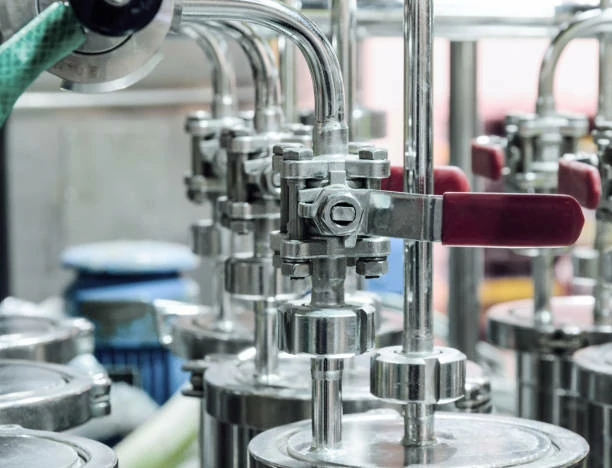
Relief valves play a critical role in preventing damage caused by excessive pressure in various systems. These valves automatically release pressure when it exceeds a predetermined limit, ensuring safety and operational efficiency. Industries such as oil and gas, chemical processing, and water treatment rely on relief valve to protect equipment and personnel. Understanding their function, types, maintenance, and technological advancements helps ensure proper system protection.
1. Understanding How Relief Valves Work
Relief valve respond to pressure changes by opening when system pressure exceeds safe limits. The valve consists of a body, a spring-loaded disc, and an outlet for excess pressure release. When pressure builds beyond the preset level, the spring compresses, allowing fluid or gas to escape. Once the pressure drops to a safe range, the spring pushes the disc back, sealing the valve. For example, in a steam boiler system, a relief valve prevents dangerous pressure buildup by releasing excess steam, maintaining safe operation. Proper pressure management ensures that equipment operates without damage or risk of failure.
2. Common Applications of Relief Valves
Relief valves serve various applications across multiple industries. In hydraulic systems, they prevent pressure spikes that could damage pumps and hoses. In chemical plants, they protect storage tanks from pressure buildup due to chemical reactions. For example, in natural gas pipelines, relief valve release excess pressure to prevent explosions or leaks. In fire protection systems, they ensure that water pressure remains stable, preventing damage to sprinklers and pipes. These applications highlight the importance of relief valves in maintaining safe and efficient system operations.
3. Types of Relief Valves and Their Functions
Several types of relief valves exist, each designed for specific applications. Spring-loaded relief valves use a calibrated spring to control pressure release. Pilot-operated relief valves provide more precise pressure control by using an auxiliary valve to regulate main valve operation. Temperature-activated relief valv respond to heat buildup, commonly used in water heaters and steam systems. For example, in an industrial cooling system, a pilot-operated relief valve ensures that pressure stays within safe limits, preventing heat exchanger damage. Choosing the right type of relief valve depends on the system’s requirements and operating conditions.
4. Key Factors Affecting Relief Valve Performance
Several factors influence the performance of relief valves. Proper sizing ensures that the valve can handle the required pressure and flow rate. Incorrect sizing may lead to excessive pressure buildup or premature valve failure. Material selection affects durability, as corrosive environments require stainless steel or special coatings. Regular testing and calibration maintain accurate pressure settings and reliable operation. Installation location also impacts performance, as improper placement can cause pressure fluctuations or delayed response. In compressed air systems, for example, relief valve must be positioned to quickly release excess pressure and prevent equipment damage.
5. Maintenance Practices for Reliable Operation
Routine maintenance ensures relief valves function properly and extend their service life. Regular inspections detect wear, corrosion, or blockages that may affect performance. Cleaning valve components prevents debris buildup, which can cause sticking or delayed operation. Pressure testing verifies that the valve opens at the correct setpoint, ensuring system protection. Lubrication of moving parts reduces friction and improves response time. For example, in a refinery, technicians perform scheduled maintenance on relief valve to prevent failures that could lead to costly shutdowns or safety hazards. A proactive approach to maintenance reduces risks and enhances system reliability.
6. Technological Advancements in Relief Valves
Modern relief valves incorporate advanced technologies to improve efficiency and safety. Smart relief valve use sensors and remote monitoring to track pressure conditions in real time. Automated control systems adjust valve settings based on changing operational needs. Predictive maintenance tools analyze performance data to identify potential failures before they occur. In power plants, digital relief valves provide continuous monitoring, reducing downtime and ensuring compliance with safety regulations. As technology advances, relief valve will continue evolving to offer better protection, increased reliability, and improved system efficiency.
In conclusion, relief valve play a vital role in protecting systems from overpressure, ensuring safe and efficient operations. Understanding their function, selecting the right type, and performing regular maintenance are essential for reliability. Technological innovations further enhance their performance, making modern relief valves more effective in preventing pressure-related failures. By implementing best practices and leveraging advanced solutions, industries can safeguard their equipment, personnel, and operations.
Standar Internasional untuk Katup Bola Kuningan
Katup bola kuningan banyak digunakan dalam berbagai aplikasi kontrol fluida karena daya tahan, keandalan, dan ketahanannya yang tinggi terhadap korosi. Untuk memastikan katup ini memenuhi persyaratan keselamatan dan kinerja yang diperlukan, katup ini dirancang sesuai dengan berbagai standar internasional. Misalnya, ASTM 2846 menguraikan spesifikasi untuk katup bola termoplastik, sementara DIN 8079/8080 berfokus pada kompatibilitas dengan pipa polietilena dan polipropilena. Selain itu, standar seperti ASTM F441/F441M SCH80 dan AS/NZS 1477 memastikan efektivitas katup dalam sistem perpipaan PVC. Dengan mematuhi peraturan ketat ini, katup bola kuningan mempertahankan kinerja optimal, memastikan kesesuaiannya untuk penggunaan di lingkungan perumahan dan industri, termasuk sistem air minum, dengan sertifikasi seperti NSF/ANSI 14.
Menghubungkan
IFAN adalah produsen Cina pipa plastik, fittings and valves with 30 years of experience. If you are interest in IFAN copper fittings, copper valves, plastic pipes and fittings, please contact us. IFAN offers you a variety of standard pipes to meet your specific needs. Click below to learn more about IFAN’s wide range of affordable and cost-effective valve products and piping system related products.
Kami akan membalas email atau faks Anda dalam waktu 24 jam.
Anda dapat menghubungi kami kapan saja jika ada pertanyaan tentang produksi kami.
Untuk informasi lebih lanjut, silakan kunjungi situs web kami https://www.waterpipefactory.com/
Silakan Kirim Email ke: [email protected]
WhatsApp: + 86 152 1588 7738