
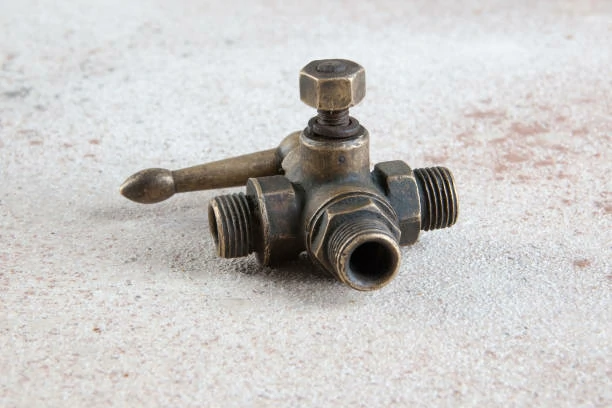
3-way valves are crucial components in HVAC systems, enhancing flow control and improving system efficiency. These valves allow for the diversion or mixing of fluids, helping regulate the temperature and air quality within buildings. HVAC systems rely on precise fluid control to maintain optimal performance, and 3-way valves provide the necessary flexibility to achieve this. This article explores the role of 3-way valves in HVAC systems, their types, functions, and applications, and how they improve overall system effectiveness.
1. Importance of Flow Control in HVAC Systems
Flow control is critical in HVAC systems to maintain consistent temperature and humidity levels in a building. By adjusting the flow of air or liquid coolant, HVAC systems can regulate heating and cooling processes effectively. 3-way valves serve as integral components in this flow regulation. They allow the system to either divert or mix fluids based on operational needs. For example, in a cooling system, 3-way valves can direct the coolant to either the condenser or the expansion valve, ensuring that the system runs efficiently. By offering flexibility in fluid distribution, these valves help optimize energy use, minimize wear on system components, and enhance the overall comfort level within the building.
2. Functionality of 3-Way Valves in HVAC Systems
A 3-way valve can control fluid flow in different directions, allowing for the diversion, mixing, or shut-off of fluids. In HVAC systems, the valve can either divert the flow of liquid from one path to another or mix two fluid streams to regulate the temperature. For example, in a heating system, a 3-way valve can mix hot water from the boiler with cooler water from the return line, regulating the system’s temperature and preventing overheating. In a cooling system, it can divert refrigerant flow to different parts of the system depending on whether cooling or heating is required. The versatility of 3-way valves allows HVAC systems to adjust their operations based on fluctuating temperature demands, providing better control over indoor climate conditions.
3. Types of 3-Way Valves Used in HVAC Systems
Various types of 3-way valves are used in HVAC systems, each offering specific features suited for different applications. The most common types include mixing valves, diverting valves, and multi-port valves. Mixing valves blend two different fluids, such as hot and cold water, to achieve the desired temperature. Diverting valves direct a fluid flow from one path to another, depending on system requirements. Multi-port valves can handle multiple fluid streams simultaneously, offering more complex flow control for larger HVAC systems. For instance, in large-scale heating systems, a multi-port valve can control the flow of water to different areas, ensuring uniform temperature distribution throughout the building. Choosing the right type of valve depends on the system’s specific needs, such as flow direction, pressure, and temperature control.
4. Applications of 3-Way Valves in HVAC Systems
3-way valves find a wide range of applications in HVAC systems, particularly in heating, ventilation, and air conditioning. One common use is in water-source heat pumps, where the valve regulates the flow of water between the heat pump and the water source. In these systems, 3-way valves ensure that water flows efficiently through the system, maintaining optimal temperature control. Similarly, in chilled water systems, 3-way valves manage the flow of chilled water to various parts of the system, adjusting the cooling output as needed. These valves also play a crucial role in district heating and cooling systems, where multiple buildings share a common HVAC infrastructure. By controlling the flow of heated or cooled water, 3-way valves help achieve better energy efficiency and ensure that each building receives the appropriate level of heating or cooling.
5. Energy Efficiency and Cost Savings
Using 3-way valves in HVAC systems can lead to significant energy savings and cost reductions. By providing precise control over fluid flow, these valves help optimize the performance of heating and cooling systems. For example, by diverting the flow of refrigerant to the appropriate part of the system, a 3-way valve can ensure that the compressor operates efficiently, reducing energy consumption. Similarly, in heating systems, 3-way valves prevent overheating by mixing water at the right temperature, avoiding unnecessary energy usage. The result is reduced utility bills, extended equipment lifespan, and improved overall system performance. Additionally, 3-way valves can be integrated into smart HVAC systems, where sensors and control systems adjust flow rates in real time, further enhancing energy efficiency.
6. Maintenance and Troubleshooting of 3-Way Valves
Maintaining 3-way valves in HVAC systems is essential to ensure optimal performance and prevent breakdowns. Over time, valves may become clogged with debris or experience wear on their seals, affecting their ability to control flow accurately. Regular maintenance involves checking for leaks, inspecting the valve body for damage, and ensuring the actuator operates smoothly. For example, if a valve is not diverting fluid correctly, it may be due to a stuck actuator or a damaged seal, which can be resolved through cleaning or replacement of the affected parts. Proper calibration of the valve is also crucial to ensure that it opens and closes at the correct pressure points, allowing for precise control over the system’s fluid flow. Routine maintenance can prevent costly repairs and system downtime, ensuring that HVAC systems operate efficiently over the long term.
Conclusion
3-way valves are integral to the efficient operation of HVAC systems, offering enhanced flow control and improving overall system performance. Whether used for mixing or diverting fluid, these valves play a key role in maintaining optimal temperature and energy efficiency in heating, cooling, and ventilation systems. By selecting the appropriate type of 3-way valve, HVAC professionals can ensure better control, reduce energy consumption, and extend the life of system components. Regular maintenance is essential for keeping these valves functioning correctly, preventing system failures and reducing repair costs. As HVAC systems continue to evolve and demand higher levels of efficiency, 3-way valves will remain essential in optimizing flow control and maintaining comfortable indoor environments.
International Standards for Brass Ball Valves
Brass ball valves are widely used in various fluid control applications due to their durability, reliability, and high resistance to corrosion. To ensure these valves meet the necessary safety and performance requirements, they are designed according to numerous international standards. For instance, ASTM 2846 outlines specifications for thermoplastic ball valves, while DIN 8079/8080 focuses on compatibility with polyethylene and polypropylene pipes. Additionally, standards such as ASTM F441/F441M SCH80 and AS/NZS 1477 ensure the valves’ effectiveness in PVC piping systems. By adhering to these strict regulations, brass ball valves maintain optimal performance, ensuring they are suitable for both residential and industrial settings, including drinking water systems, with certifications like NSF/ANSI 14.
Connect
IFAN is a Chinese manufacturer of plastic pipes, fittings and valves with 30 years of experience. If you are interest in IFAN copper fittings, copper valves, plastic pipes and fittings, please contact us. IFAN offers you a variety of standard pipes to meet your specific needs. Click below to learn more about IFAN’s wide range of affordable and cost-effective valve products and piping system related products.
We will reply your email or fax within 24 hours.
You can call us at any time if there is any question on our production.
For more information,pls visit our webside https://www.waterpipefactory.com/
Pls Mailto: [email protected]
Whatsapp: + 86 152 1588 7738