
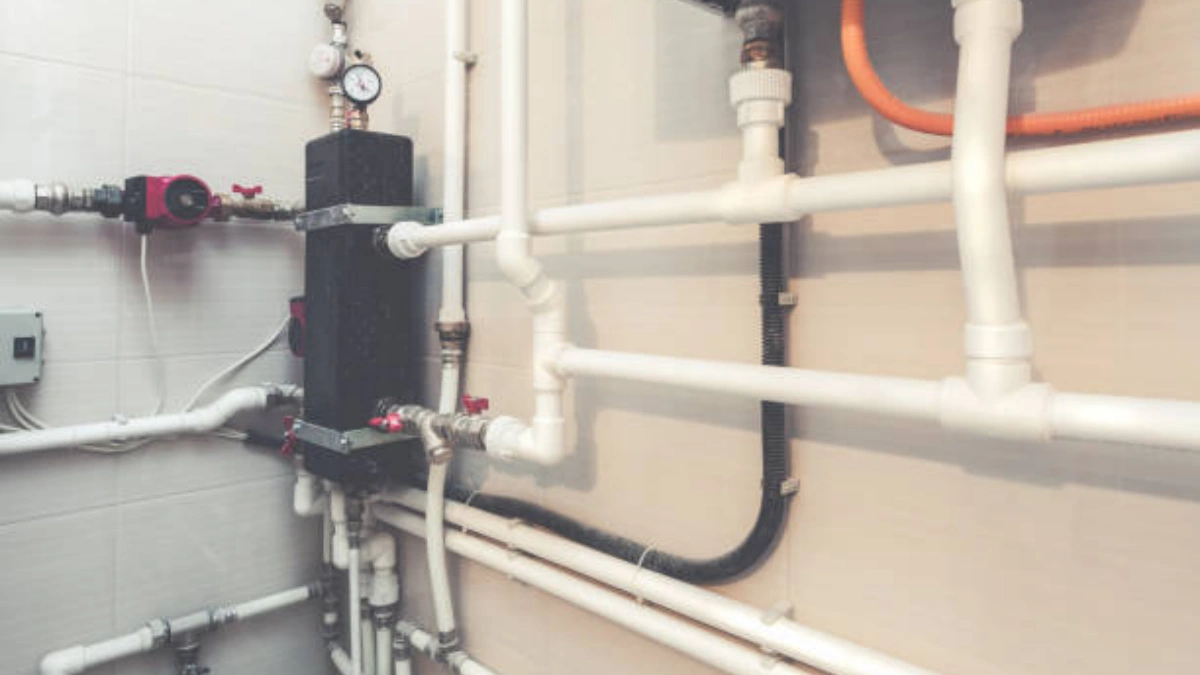
Proper installation of a water valve ensures efficient water flow, prevents leaks, and extends the plumbing system’s lifespan. Whether for residential, commercial, or industrial use, correct installation techniques reduce maintenance needs and improve system performance. Following best practices helps avoid common installation errors, such as misalignment, improper sealing, or using incompatible materials. Understanding valve types, preparation steps, sealing techniques, and testing methods ensures a secure and durable installation. A well-installed valve system maintains consistent pressure, minimizes water waste, and prevents costly repairs. With proper valve selection and installation, users can enjoy reliable water supply and efficient system operation over time.
1. Selecting the Right Water Valve for Installation
Choosing the appropriate water valve depends on system requirements, flow control needs, and environmental conditions. Gate valves provide full flow control and are ideal for main water lines. Ball valves offer quick shut-off capabilities, making them suitable for emergency applications. Check valves prevent backflow and protect the water supply. Globe valves regulate pressure and flow in high-demand systems. For example, a ball valve under a kitchen sink allows homeowners to quickly shut off water for repairs. Proper valve selection ensures compatibility with the plumbing system and enhances long-term reliability.
2. Preparing Pipes and Fittings for Installation
Proper preparation prevents leaks and ensures a secure fit. Begin by shutting off the main water supply and draining the pipes. Measure and mark the installation point, ensuring adequate space for valve operation and maintenance. Use a pipe cutter or hacksaw to cut pipes cleanly, removing burrs and sharp edges with a deburring tool. Clean the pipe ends thoroughly to remove debris, dirt, or rust. For example, in copper piping, using an emery cloth ensures a clean surface for soldering. Proper preparation guarantees a strong, leak-free connection and improves installation efficiency.
3. Ensuring Proper Sealing and Connection Techniques
Effective sealing prevents leaks and maintains system integrity. For threaded valves, apply Teflon tape or pipe joint compound on male threads before tightening. Use a wrench to secure the valve, avoiding over-tightening, which may damage threads. In soldered copper pipe installations, apply flux and evenly heat the joint with a propane torch before adding solder. For PVC valves, apply primer and solvent cement to ensure a watertight bond. For example, in an outdoor irrigation system, correctly sealed PVC valves prevent water wastage. Proper sealing methods enhance valve durability and system reliability.
4. Positioning and Aligning the Valve Correctly
Accurate positioning ensures efficient operation and prevents strain on the plumbing system. Install the valve in an accessible location for maintenance and emergency shut-off. Align the valve with the pipe direction to prevent flow restrictions. Support heavy valves with brackets or hangers to avoid stress on pipe joints. For example, in a high-rise building, supporting large valves prevents pipe displacement due to water pressure fluctuations. Ensuring proper valve positioning minimizes installation stress, prevents damage, and improves overall system performance.
5. Testing for Leaks and System Functionality
Testing ensures proper valve function and leak prevention before completing the installation. Slowly turn on the water supply and inspect for leaks at all connections. If leaks occur, tighten fittings or reapply sealing materials. Open and close the valve multiple times to verify smooth operation. Monitor water pressure to confirm normal system performance. For example, in a fire sprinkler system, pressure testing ensures immediate response during emergencies. Thorough testing prevents future failures, reduces repair costs, and ensures system reliability under various conditions.
6. Maintaining and Inspecting Installed Valves Regularly
Regular maintenance extends valve lifespan and prevents unexpected failures. Inspect valves periodically for leaks, corrosion, or operational stiffness. Lubricate moving parts to ensure smooth operation. Flush the system to remove sediment buildup that may obstruct flow. Replace worn-out seals or gaskets to maintain a tight seal. For example, in industrial cooling systems, routine inspections prevent blockages that could disrupt operations. Proper maintenance keeps valves functioning efficiently and reduces long-term repair costs.
In conclusion, following best practices for installing water valves enhances system reliability, prevents leaks, and ensures smooth operation. Proper valve selection, pipe preparation, sealing, alignment, testing, and maintenance contribute to a long-lasting plumbing system. By applying these techniques, residential, commercial, and industrial systems maintain optimal water flow, reduce water loss, and minimize repair costs. Ensuring correct installation practices leads to improved performance, safety, and efficiency across various applications.
International Standards for Brass Ball Valves
Brass ball valves are widely used in various fluid control applications due to their durability, reliability, and high resistance to corrosion. To ensure these valves meet the necessary safety and performance requirements, they are designed according to numerous international standards. For instance, ASTM 2846 outlines specifications for thermoplastic ball valves, while DIN 8079/8080 focuses on compatibility with polyethylene and polypropylene pipes. Additionally, standards such as ASTM F441/F441M SCH80 and AS/NZS 1477 ensure the valves’ effectiveness in PVC piping systems. By adhering to these strict regulations, brass ball valves maintain optimal performance, ensuring they are suitable for both residential and industrial settings, including drinking water systems, with certifications like NSF/ANSI 14.
Connect
IFAN is a Chinese manufacturer of plastic pipes, fittings and valves with 30 years of experience. If you are interest in IFAN copper fittings, copper valves, plastic pipes and fittings, please contact us. IFAN offers you a variety of standard pipes to meet your specific needs. Click below to learn more about IFAN’s wide range of affordable and cost-effective valve products and piping system related products.
We will reply your email or fax within 24 hours.
You can call us at any time if there is any question on our production.
For more information,pls visit our webside https://www.waterpipefactory.com/
Pls Mailto: [email protected]
Whatsapp: + 86 152 1588 7738