
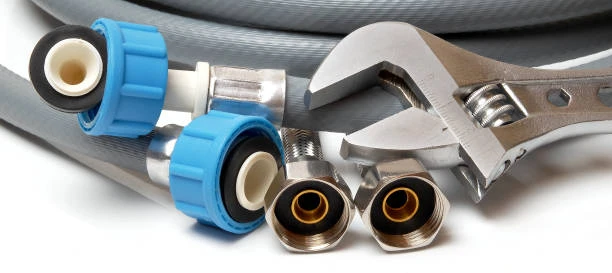
Braided hose pipes have become critical components in industries requiring reliable fluid transfer under extreme temperature conditions. Their reinforced construction enables operation in environments ranging from cryogenic cold to high-heat applications, making them indispensable in sectors like chemical processing, automotive engineering, and energy production. This article provides comprehensive insights into temperature-related performance aspects, helping professionals select optimal solutions for thermal challenges.
Common Temperature-Related Questions (FAQ)
1. What temperature ranges do different braided hose materials cover?
Braided hoses exhibit material-specific thermal capabilities:
- PVC/rubber hybrids: -40°C to 180°C
- Stainless steel reinforced: -196°C to 700°C
- PTFE-lined variants: -260°C to 260°C (continuous use)
Always verify manufacturer specifications for exact parameters.
2. How does temperature affect hose lifespan?
Prolonged exposure beyond rated temperatures accelerates material degradation. For every 20°C increase above recommendations, service life reduces by ~50%. PTFE hoses show superior thermal stability, maintaining integrity up to 300°C for short periods.
3. What precautions ensure safe high-temperature operation?
- Maintain 25% pressure margin under max temperature
- Use heat-resistant fittings (stainless steel 316L preferred)
- Implement thermal insulation wraps for chronic exposure
- Conduct biannual thermal imaging inspections
4. Can cryogenic hoses handle room temperature applications?
Specialized cryogenic hoses (PTFE/stainless steel) operate effectively across wide ranges. However, standard hoses may become brittle when transitioning rapidly from -196°C to ambient temperatures without proper acclimatization.
5. How do temperature fluctuations impact hydraulic systems?
Thermal cycling induces expansion/contraction stresses. Stainless steel braided hoses compensate better than polymer variants, with 304 stainless demonstrating 12% lower thermal expansion coefficient compared to EPDM rubber.
Material Science Behind Temperature Resistance
Braided hose performance under thermal stress depends on three core components:
- Inner Tube: Directly contacts transported media. PTFE excels above 200°C, while EPDM rubber offers superior -40°C flexibility.
- Reinforcement Layer: Stainless steel braiding maintains structural integrity at elevated temperatures. Aerospace-grade 316L stainless withstands 650°C oxidation environments.
- Outer Cover: Silicone-coated fabrics provide thermal radiation protection up to 300°C, while PVC jackets suit moderate temperature applications.
The braiding process itself enhances thermal stability. Precision-woven metal strands distribute heat evenly, preventing localized hot spots. This construction enables stainless steel variants to maintain 87% of room-temperature pressure ratings at 500°C.
Industry-Specific Temperature Applications
Temperature requirements drive hose selection across key sectors:
Chemical Processing
- PTFE-lined hoses transfer concentrated sulfuric acid at 220°C
- Stainless steel braided variants handle molten salt heat transfer fluids up to 450°C
Automotive Engineering
- Turbocharger cooling lines withstand 150°C oil temperatures
- Fuel injection systems use EPDM hoses rated for -40°C winter starts
Energy Sector
- Geothermal wells deploy nickel-alloy braided hoses for 350°C steam
- Solar thermal systems use glass-fiber reinforced hoses up to 250°C
Food Processing
- FDA-approved silicone hoses manage CIP cycles from -10°C to 150°C
- Dairy processing uses PTFE hoses for 135°C pasteurization
Aerospace
- Hydraulic systems in jet engines use PTFE/stainless hoses for -55°C to 260°C operation
- Cryogenic fuel lines maintain liquid hydrogen at -253°C
Temperature-Driven Design Innovations
Material advancements continue expanding thermal boundaries:
- Graphene-enhanced EPDM: Improves thermal conductivity by 300% while maintaining -50°C flexibility
- Ceramic fiber braiding: Enables 1,200°C operation for foundry applications
- Phase-change outer layers: Active temperature regulation through microencapsulated paraffin
- Smart hoses: Embedded fiber-optic sensors provide real-time temperature gradient monitoring
These innovations address emerging challenges like concentrated solar power (CSP) systems requiring hoses that withstand 600°C thermal cycling, or electric vehicle battery cooling systems needing precise 15°C ±2°C regulation.
Selection Guidelines for Thermal Applications
Choosing the right braided hose involves balancing five temperature-related factors:
- Media Temperature: Match hose rating to actual fluid temperature ±10% safety margin
- Ambient Conditions: Account for radiant heat in engine compartments or cryogenic spill risks
- Thermal Cycling: Frequent temperature swings require hoses with low coefficient of thermal expansion
- Heat Transfer Rate: Steam applications need hoses with high thermal conductivity to prevent condensation
- Installation Environment: Outdoor systems require UV-resistant outer layers to prevent thermal degradation
For mixed-temperature applications, consider dual-layer hoses combining PTFE inner tubes with stainless steel braiding. These hybrids offer -260°C to 650°C operational ranges while maintaining hydraulic efficiency.
Conclusion
Temperature management defines braided hose performance across industries. From PTFE’s dominance in high-heat chemical processing to EPDM’s cryogenic adaptability in automotive systems, material selection directly impacts operational reliability. As thermal challenges intensify in sectors like renewable energy and space exploration, ongoing innovations in nanomaterials and smart sensors promise even greater temperature mastery. By aligning hose specifications with actual thermal conditions, engineers ensure safe, efficient fluid transfer in the world’s most demanding environments
IFAN International Standards
To meet global quality demands, IFAN HDPE pipes follow a wide range of international standards, such as ASTM D3035, ISO 4427, EN 12201, and GB/T 13663. These standards define the pipe’s strength, durability, and safety. Moreover, IFAN complies with DIN 8074/8075, AS/NZS 4130, JIS K6760, BS 6572, and CSA B137.1, making their products suitable for water, gas, and industrial systems worldwide. Because IFAN meets all these trusted certifications, users can confidently choose IFAN for reliable performance in any environment.
Contact Us
If you have any questions about cold taps or need help selecting the right model, feel free to reach out to our team. We offer expert advice and support tailored to your industry and application.
IFAN is a Chinese manufacturer of plastic pipes, fittings and valves with 30 years of experience. If you are interest in IFAN copper fittings, copper valves, plastic pipes and fittings, please contact us. IFAN offers you a variety of standard pipes to meet your specific needs. Click below to learn more about IFAN’s wide range of affordable and cost-effective valve products and piping system related products.
We will reply your email or fax within 24 hours.
You can call us at any time if there is any question on our production.
For more information,pls visit our webside https://www.waterpipefactory.com/
Pls Mailto: [email protected]
Whatsapp: + 86 152 1588 7738