
Introduction
In modern plumbing, reliability and durability matter more than anything else. Among the wide range of components available, the brass fitting stands out as one of the most trusted solutions. It provides strength, resistance to corrosion, and excellent compatibility with different water systems. In addition, brass fittings combine long-lasting performance with ease of installation, making them a top choice for both residential and industrial projects. This article explores their key features, common applications, selection guide, and how they compare with other pipe materials.
Frequently Asked Questions (FAQ)
- What is a brass fitting?
A brass fitting is a plumbing connector made from brass alloy, designed to join pipes securely. - Are brass fittings safe for drinking water?
Yes, they are considered safe when manufactured to meet proper standards and certifications. - Do brass fittings resist corrosion?
Absolutely. Brass resists rust and mineral build-up better than many other materials. - Can brass fittings handle high water pressure?
Yes, brass fittings can withstand significant pressure without cracking or leaking. - Are brass fittings expensive compared to other fittings?
While the initial cost may be higher, their long life reduces long-term expenses.
Definition and Key Characteristics of Brass Fitting
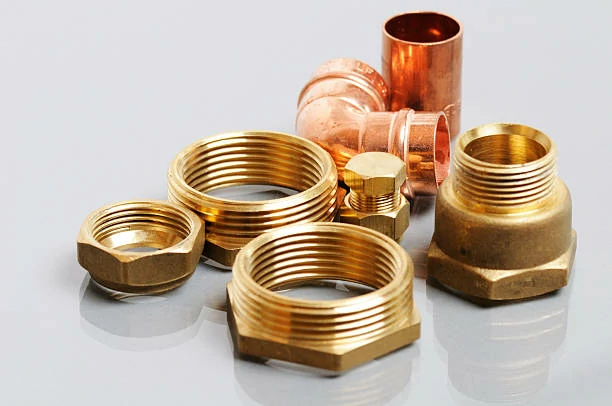
A brass fitting is a small but essential component used to connect pipes within a plumbing network. It is made from an alloy of copper and zinc, which together create a strong, durable, and versatile material. Unlike plastic or steel, brass offers unique advantages. It provides mechanical strength while staying resistant to wear and chemical reactions. Furthermore, brass maintains dimensional stability under heat, which is crucial for hot water systems. Another key feature is its malleability. Despite being strong, brass is easy to machine, thread, and install, which reduces labor costs. Its golden color also makes it visually distinctive, especially in exposed plumbing systems.
Common Uses and Applications
The brass fitting is widely used in several industries due to its balance of strength and versatility. In residential plumbing, it connects pipes carrying hot and cold water, ensuring reliable flow without leaks. In commercial buildings, it is common in heating and cooling systems because it can tolerate temperature changes. Additionally, brass fittings appear in fire protection systems, where durability and pressure resistance are crucial. Beyond construction, they are widely used in industrial manufacturing plants, particularly in systems that transport chemicals or compressed air. Moreover, in agricultural irrigation systems, brass ensures consistent performance despite exposure to outdoor conditions.
Buying Guide for Brass Fittings
When choosing the right brass fitting, buyers need to consider several factors. First, the composition of the brass alloy matters. Higher copper content usually improves corrosion resistance, while zinc adds strength. Second, color can be a useful indicator. Uniform golden-yellow brass usually signifies a balanced alloy, while discoloration may indicate impurities. Third, certifications and standards are essential. Products tested according to ISO, ASTM, or national safety standards guarantee compliance with drinking water regulations. In addition, buyers should pay attention to threading quality, as poor threading can lead to leaks. Lastly, it is always better to invest in fittings from reputable manufacturers, as this ensures consistent quality.
Reliable Choice for Plumbing Systems
The phrase “reliable choice” is not just a slogan when describing the brass fitting. In practice, these components provide long-term efficiency for water systems. They perform equally well in both high-pressure and high-temperature environments. In residential houses, they secure the integrity of water distribution for decades. In commercial settings, they reduce maintenance costs, since they resist wear and do not require frequent replacements. On top of that, their resistance to bacterial growth makes them suitable for drinking water applications. When compared to cheaper alternatives, brass fittings consistently prove their reliability through consistent performance and extended service life.
Brass Fitting vs Other Pipe Materials
| Criteria | Brass Fitting | PVC Fitting | Stainless Steel Fitting | Copper Fitting |
|---|---|---|---|---|
| Durability | Excellent, long service life | Moderate, may crack under heat | High but more expensive | Good, but prone to corrosion |
| Corrosion Resistance | Strong against rust and scale | Limited, affected by UV rays | Very strong | Moderate, corrodes over time |
| Pressure Resistance | Withstands high pressure | Limited under heavy loads | Excellent, handles high loads | Good, but not as high as brass |
| Installation Ease | Easy to install and thread | Very easy, lightweight | Requires special tools | Moderate, needs soldering |
| Cost | Moderate, economical long-term | Low initial cost | High upfront cost | Moderate, with higher upkeep |
| Suitability for Hot Water | Excellent | Poor | Excellent | Good |
From the comparison, brass fittings strike the best balance between durability, cost, and ease of installation. While PVC may be cheaper initially, it does not match the longevity of brass. Stainless steel offers excellent strength but costs significantly more. Copper remains common but is less durable against corrosion compared to brass.
Conclusion
Brass fittings continue to stand out as one of the most reliable choices in plumbing. They deliver exceptional performance in both residential and industrial settings. Thanks to their strength, corrosion resistance, and compatibility with different water systems, they ensure long-term stability and efficiency. Moreover, their ease of installation and compliance with safety standards make them a preferred option among professionals. For anyone planning a new plumbing system or upgrading an existing one, choosing brass fittings guarantees durability, safety, and peace of mind for years to come.
IFAN’s international standards
IFAN products comply with multiple international standards, ensuring high quality and reliability. These include ISO 15874 Series standards, EN 15874 Series standards, ASTM F2389, DIN 8077/8078, GB/T 18742 Series standards, and NBR 15884. In addition, IFAN also meets the requirements of ISO 15494 Series standards, EN ISO 15494, DIN 8077/8078, ASTM F2389, GB/T 19472 Series standards, and NBR 15494. This wide range of certifications demonstrates IFAN’s commitment to global compatibility and long-lasting performance in piping systems.
Connect
IFAN, a Chinese manufacturer with 30 years of experience, specializes in high-quality plastic pipes, fittings, and valves. Interested in IFAN’s copper fittings, copper valves, plastic pipes, or fittings? Contact us today. IFAN offers a wide range of standard pipes tailored to your needs. Explore our affordable, cost-effective valve and piping system products.
We respond to emails or faxes within 24 hours. For immediate assistance, call us anytime with questions about our products.
For more information,pls visit our webside https://www.waterpipefactory.com/
Pls Mailto: [email protected]
Whatsapp: + 86 152 1588 7738