
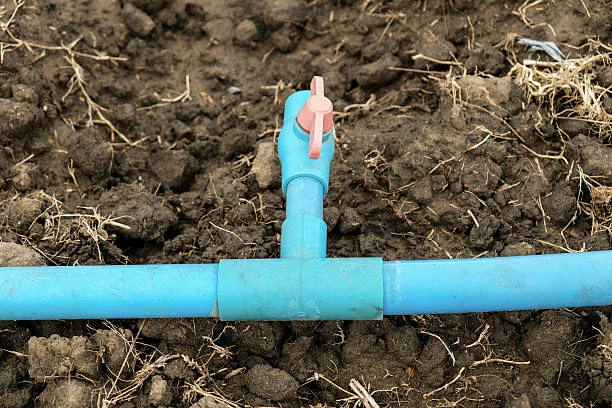
In the realm of infrastructure and manufacturing, maintaining polyvinyl chloride (PVC) systems demands significant capital investment. Companies focusing on PVC products and services recognize the importance of allocating funds to ensure the longevity and efficiency of their operations. This investment impacts several areas, from machinery upgrades to employee training and sustainability initiatives.
Understanding PVC and Its Applications
PVC stands as one of the most widely used synthetic plastics globally, finding applications in various industries such as construction, healthcare, and automotive. In construction, PVC plays a crucial role in pipes, siding, and flooring. The material’s durability, chemical resistance, and versatility make it an ideal choice for many applications. However, ensuring that these PVC products maintain their quality over time requires ongoing capital investment.
The Need for Regular Maintenance
Regular maintenance of PVC infrastructure prevents degradation and prolongs the lifecycle of products. Companies must recognize that aging equipment and outdated technology can lead to inefficiencies, increased waste, and even safety hazards. Therefore, investing in maintenance becomes essential. Companies often allocate capital toward routine inspections, repairs, and replacement of outdated components. By doing so, they can mitigate risks and ensure that their PVC products meet regulatory standards.
Investing in Modern Technology
Investing in modern technology plays a pivotal role in enhancing the maintenance of PVC infrastructure. Companies should explore advanced machinery that improves efficiency and reduces downtime. For instance, automated systems for cutting and welding PVC pipes can minimize human error and streamline operations. Furthermore, implementing predictive maintenance technology allows companies to monitor equipment conditions in real time, identifying potential issues before they escalate. These technologies require upfront investment, but they yield long-term savings and efficiency gains.
Employee Training and Skill Development
Human resources represent a critical component of capital investment in maintaining PVC systems. Investing in employee training and skill development enhances the workforce’s ability to manage and maintain PVC infrastructure effectively. Companies can offer workshops, certifications, and hands-on training programs that equip employees with the necessary skills to operate advanced machinery and perform maintenance tasks proficiently. A well-trained workforce can identify potential issues earlier and respond to them more effectively, reducing costly downtime and enhancing productivity.
Sustainability Initiatives
Capital investment in maintaining PVC infrastructure also encompasses sustainability initiatives. As environmental concerns rise, companies must consider eco-friendly practices in their operations. Investing in recycling programs for PVC materials not only helps the environment but also creates cost savings in raw material procurement. By recycling PVC, companies can reduce waste and lower their carbon footprint. Moreover, adopting sustainable practices can enhance a company’s reputation, attracting customers who prioritize environmental responsibility.
Financial Considerations and ROI
When companies allocate capital for maintaining PVC infrastructure, they must assess the financial implications and return on investment (ROI). While initial costs may appear high, the long-term benefits often outweigh these expenses. Improved efficiency, reduced waste, and enhanced product quality contribute to a positive ROI. Additionally, companies can often qualify for grants or tax incentives aimed at promoting sustainability and technological advancements. These financial incentives can further alleviate the burden of upfront costs.
Challenges in Capital Investment
Despite the clear benefits, challenges exist in securing capital investment for maintaining PVC infrastructure. Companies may face budget constraints, especially in a competitive market. Decision-makers must prioritize investments and justify expenditures to stakeholders. Presenting a compelling business case that outlines the benefits of investing in maintenance and technology becomes crucial. Demonstrating how these investments lead to cost savings, improved efficiency, and enhanced product quality can help garner support from stakeholders.
Conclusion
Capital investment in maintaining PVC infrastructure stands as a critical factor in ensuring the sustainability and efficiency of operations. Companies must prioritize regular maintenance, invest in modern technology, and focus on employee training to maximize their ROI. By embracing sustainability initiatives and addressing challenges in securing funding, organizations can foster a more resilient and productive future in the PVC industry. Ultimately, a proactive approach to capital investment will not only enhance the performance of PVC products but also contribute to a more sustainable and responsible manufacturing sector.
Connect
IFAN is a Chinese manufacturer of plastic pipes, fittings and valves with 30 years of experience. If you are interest in IFAN copper fittings, copper valves, plastic pipes and fittings, please contact us. IFAN offers you a variety of standard pipes to meet your specific needs. Click below to learn more about IFAN’s wide range of affordable and cost-effective valve products and piping system related products.
We will reply your email or fax within 24 hours.
You can call us at any time if there is any question on our production.
For more information,pls visit our webside https://www.waterpipefactory.com/
Pls Mailto: [email protected]
Whatsapp: + 86 19857948982