
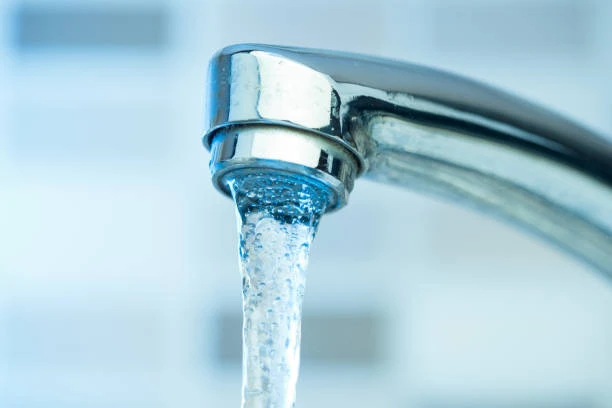
Cold taps are essential components in both residential and industrial plumbing systems. They control the flow of cold water and are commonly found in kitchens, bathrooms, and commercial environments. Choosing the right cold tap involves understanding its features, uses, materials, and industry certifications. This article provides a complete guide to cold taps with a focus on tools and practical applications. Whether you’re a homeowner, contractor, or product distributor, this resource will help you make informed decisions.
Frequently Asked Questions (FAQ)
1. What is a cold tap?
A cold tap is a plumbing fixture designed specifically to dispense cold water. It is usually connected to the main cold water supply and is used in kitchens, bathrooms, gardens, and various commercial spaces.
2. Can I install a cold tap myself?
Yes, with basic plumbing tools and proper instructions, most people can install a cold tap on their own. However, for more complex setups, hiring a professional plumber is recommended.
3. Are cold taps and mixer taps the same?
No. A cold tap only provides cold water, while a mixer tap blends hot and cold water into a single stream.
4. What materials are best for cold taps?
Brass, stainless steel, and high-grade plastics like ABS are commonly used. Each offers different benefits in terms of durability, corrosion resistance, and cost.
5. Do cold taps require certification?
Yes. In many countries, plumbing components including cold taps must comply with certifications like CE, WRAS, or NSF to ensure safety and quality.
Basic Definition and Features of a Cold Tap
A cold tap is a manually operated valve that allows cold water to flow through a plumbing outlet. It typically consists of a handle, body, valve mechanism, and nozzle. Unlike mixer or hot taps, it connects only to the cold water line. Cold taps are designed for durability, frequent use, and often have simple internal mechanisms for easy maintenance.
Key features include:
- Single water inlet for cold water only
- Quarter-turn or compression valve operation
- Various outlet types, such as thread or spout
- Compatible with different pipe connections, such as PEX, copper, or PVC
- Available in multiple styles, including wall-mounted, deck-mounted, or bib taps
Common Uses and Application Industries
Cold taps are used in a variety of environments. Their simplicity and reliability make them suitable for both domestic and commercial applications.
Residential Applications
- Kitchen sinks
- Bathroom basins
- Garden hoses
- Laundry rooms
Commercial and Industrial Applications
- Restaurants and commercial kitchens
- Workshops and factories
- Hospitals and laboratories
- Public washrooms
- Construction sites (temporary installations)
Their adaptability to various water systems and ease of installation make them an essential tool across industries.
Buying Guide: How to Choose the Right Cold Tap
When selecting a cold tap, several factors need to be considered to ensure proper function and long-term reliability.
1. Material
- Brass: Highly durable and corrosion-resistant, ideal for high-usage settings
- Stainless Steel: Hygienic and rust-proof, often used in food and medical facilities
- Plastic (ABS or PVC): Lightweight and economical, best for light-duty applications
2. Finish and Color
Choose a finish that suits the style of the environment:
- Chrome: Classic and reflective
- Matte Black: Modern and stylish
- White or Colored Plastic: Suitable for utility rooms or outdoor use
3. Certification
Always check for quality certifications:
- CE (Europe)
- WRAS (UK)
- NSF (USA)
- ACS (France)
Certified taps ensure water safety and durability.
4. Thread Type and Size
Make sure the connection matches your piping system. Common standards include BSP (British Standard Pipe) and NPT (National Pipe Thread).
5. Type of Installation
Determine whether you need a:
- Wall-mounted tap
- Deck-mounted tap
- Hose bib tap
Installation Tips and Precautions
Installing a cold tap is straightforward with the right preparation. Follow these steps and tips for a smooth installation.
Step-by-Step Tips
- Shut off the main water supply before beginning.
- Use appropriate sealing tape on threaded connections to prevent leaks.
- Tighten the tap using a wrench, but avoid over-tightening to prevent damage.
- Once installed, slowly turn on the water supply and check for leaks.
- Test the tap multiple times to ensure smooth operation.
Precautions
- Avoid cross-threading connections.
- Do not use a cold tap for hot water applications.
- Always use certified tools and fittings.
- Make sure the tap is suitable for outdoor use if installed outside.
Comparison: Cold Tap vs. Other Tap Types
Here’s a comparison of cold taps with other common tap types.
| Feature | Cold Tap | Hot Tap | Mixer Tap | Sensor Tap |
|---|---|---|---|---|
| Water Supply | Cold only | Hot only | Hot and Cold | Usually Mixed |
| Operation | Manual | Manual | Manual | Automatic (sensor) |
| Application | Basic wash/supply | Heating or wash areas | Kitchens, bathrooms | Public restrooms |
| Complexity | Low | Low | Moderate | High |
| Cost | Low | Low | Medium | High |
| Maintenance | Easy | Easy | Moderate | Complicated |
Cold taps are the simplest and most affordable option, ideal when only cold water is needed.
Conclusion
Cold taps play a vital role in plumbing systems, offering a cost-effective and reliable solution for cold water supply. Their broad usage across homes, commercial areas, and industrial applications highlights their versatility. By understanding their features, certifications, and installation requirements, you can confidently choose the right cold tap for your needs. Tools and proper installation techniques are key to maximizing performance and longevity.
IFAN International Standards
To meet global quality demands, IFAN HDPE pipes follow a wide range of international standards, such as ASTM D3035, ISO 4427, EN 12201, and GB/T 13663. These standards define the pipe’s strength, durability, and safety. Moreover, IFAN complies with DIN 8074/8075, AS/NZS 4130, JIS K6760, BS 6572, and CSA B137.1, making their products suitable for water, gas, and industrial systems worldwide. Because IFAN meets all these trusted certifications, users can confidently choose IFAN for reliable performance in any environment.
Contact Us
If you have any questions about cold taps or need help selecting the right model, feel free to reach out to our team. We offer expert advice and support tailored to your industry and application.
IFAN is a Chinese manufacturer of plastic pipes, fittings and valves with 30 years of experience. If you are interest in IFAN copper fittings, copper valves, plastic pipes and fittings, please contact us. IFAN offers you a variety of standard pipes to meet your specific needs. Click below to learn more about IFAN’s wide range of affordable and cost-effective valve products and piping system related products.
We will reply your email or fax within 24 hours.
You can call us at any time if there is any question on our production.
For more information,pls visit our webside https://www.waterpipefactory.com/
Pls Mailto: [email protected]
Whatsapp: + 86 152 1588 7738