
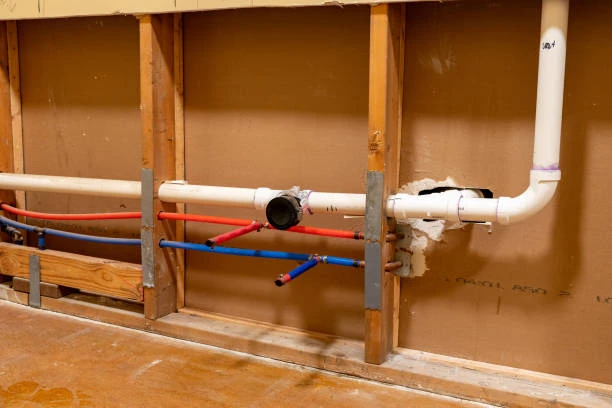
Designing an efficient PEX water line system requires careful planning and consideration of various factors to ensure optimal performance. PEX tubing offers flexibility, durability, and resistance to corrosion, making it a popular choice for modern plumbing systems. By following the best design practices, users can create a plumbing network that is cost-effective, reliable, and long-lasting.
Selecting the Right PEX Tubing for Your System
The first step in designing a PEX water lines system is selecting the appropriate PEX tubing. PEX tubing comes in three primary types: PEX-A, PEX-B, and PEX-C, each offering unique properties. PEX-A provides superior flexibility and memory, making it ideal for intricate installations or radiant floor heating. PEX-B is more rigid, durable, and cost-effective, making it suitable for general plumbing applications. PEX-C offers moderate flexibility, commonly used for simple installations. Choosing the right type of tubing ensures that the system will perform efficiently and meet the needs of the space.
Proper Sizing of PEX Tubing
Correctly sizing the PEX tubing is crucial to ensuring adequate water flow and pressure throughout the system. If the tubing is too small, it will result in reduced water flow and increased pressure drops. On the other hand, oversized tubing can be costly and inefficient. Using sizing charts and considering factors like water demand, pipe length, and the number of fixtures will help in selecting the correct diameter. Proper sizing enhances water delivery and minimizes energy loss, ensuring an efficient plumbing system.
System Layout and Water Distribution
The layout of the PEX water lines system plays a significant role in its efficiency. A well-designed system ensures even water distribution to all fixtures while minimizing pressure drops. One popular layout is the manifold system, also known as the home-run system. This design uses a central manifold to distribute water directly to each fixture, reducing the need for multiple connections and bends. The result is better pressure management and fewer points of failure, increasing the overall reliability of the system.
Avoiding Excessive Bends and Fittings
In PEX water lines design, minimizing the number of bends and fittings improves water flow and reduces friction losses. Sharp bends or excessive use of fittings can cause pressure drops and increase the likelihood of leaks or system failure. When designing the layout, aim to keep the tubing as straight as possible and use fittings only when necessary. If bends are required, use gentle curves to maintain the flow and integrity of the system. This simple step leads to a more efficient, durable water line system.
Proper Support and Secure Installation
PEX tubing’s flexibility makes it easy to install, but securing the tubing properly during installation ensures a long-lasting and stable system. Use clips, straps, or brackets to support the tubing along walls or ceilings. Proper support prevents sagging, which can cause stress on the tubing and fittings, leading to leaks or failure. Following manufacturer recommendations for spacing and securing the tubing helps maintain its performance and ensures that the system stays intact over time.
Protecting PEX Water Lines from Environmental Factors
While PEX is highly resistant to corrosion and chemical damage, it is sensitive to UV light and extreme temperatures. When designing a PEX water line system, it’s essential to protect the tubing from direct sunlight, as UV exposure can degrade the material. If the tubing is installed outdoors or in areas with high UV exposure, use protective insulation or PEX covers. Additionally, in colder climates, ensure that the water lines are buried below the frost line or properly insulated to prevent freezing during the winter months.
Testing the System for Leaks and Pressure
After the installation of the PEX water lines system, testing for leaks and pressure ensures the design’s success. Check all fittings, connections, and joints for any signs of leakage before turning on the water supply. It’s also important to test the system under normal operating pressure to make sure there are no issues with flow or pressure consistency. A well-designed system should pass these tests with no leaks or pressure drops, confirming that the design is sound and reliable.
Conclusion
Designing an efficient PEX water lines system involves careful consideration of tubing selection, system layout, proper sizing, and installation methods. By minimizing bends, using the right materials, and protecting the system from environmental factors, users can create a plumbing network that performs reliably and efficiently. Regular testing and careful planning result in a system that provides consistent water flow, saves energy, and lasts for years. A well-designed PEX water line is the foundation for an efficient and long-lasting plumbing system in both residential and commercial applications.
Discover the quality and reliability of IFAN brand PEX products, engineered to meet the highest industry standards. Our PEX solutions comply with ASTM F1974, ASTM F1281, CSA B137, DIN 16836, GB18997, and ISO 21003, ensuring exceptional performance and durability. Choose IFAN for innovative plumbing solutions that guarantee safety and efficiency, making every installation a success. Experience the difference with IFAN’s commitment to excellence!
Connect
IFAN is a Chinese manufacturer of plastic pipes, fittings and valves with 30 years of experience. If you are interest in IFAN copper fittings, copper valves, plastic pipes and fittings, please contact us. IFAN offers you a variety of standard pipes to meet your specific needs. Click below to learn more about IFAN’s wide range of affordable and cost-effective valve products and piping system related products.
We will reply your email or fax within 24 hours.
You can call us at any time if there is any question on our production.
For more information,pls visit our webside https://www.waterpipefactory.com/
Pls Mailto: [email protected]
Whatsapp: + 86 152 1588 7738