
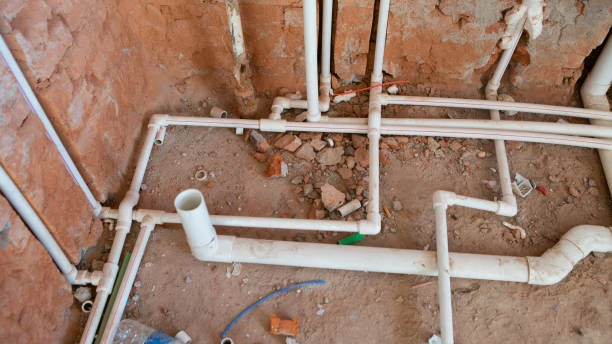
Introduction to PVC Tube
Polyvinyl chloride (PVC) tube is a widely used material across various industries due to its exceptional durability, versatility, and cost-effectiveness. This synthetic plastic polymer is lightweight, strong, and resistant to many chemicals, making it ideal for numerous applications. PVC tubes come in both flexible and rigid forms, with varying thicknesses and sizes to meet specific needs. These tubes are commonly found in plumbing, electrical, medical, and industrial sectors. Understanding the properties and applications of PVC tubes can help you make informed decisions about their usage and benefits.
Types of PVC Tube
PVC tubes come in several types, each suited to different applications. The most common type is standard rigid PVC, used frequently in plumbing and drainage systems. Flexible PVC tubes are designed for areas that require flexibility and bending, such as in irrigation systems and air ducts. UV-resistant PVC tubes are made for outdoor use where exposure to sunlight is common, providing better durability. For high-pressure applications, Schedule 40 or Schedule 80 PVC tubes are used due to their increased strength and resistance to external forces. Selecting the correct type of PVC tube is essential to meet the needs of your project.
Advantages of PVC Tube
PVC tubes offer several significant advantages. One of the most notable is their lightweight nature, which makes them easier to handle and install compared to materials like metal. PVC is also highly resistant to corrosion, unlike metals that rust over time. It is resistant to chemicals, making it ideal for transporting various substances, such as water or chemicals. PVC tubes are also cost-effective and readily available, making them a popular choice in many industries. Additionally, their non-toxic nature makes them safe for applications involving drinking water and food transport, ensuring safety and reliability.
Applications of PVC Tube
PVC tubes are widely used across different sectors. In plumbing, they are commonly employed for water supply lines, sewage systems, and drainage pipes. The medical field uses PVC tubes in products like intravenous (IV) lines, catheters, and blood bags. In the food and beverage industry, PVC tubes are used to safely transport liquids, gases, and powders. Industrial applications include moving air, gases, and chemicals without contamination risk. PVC tubes are also used for electrical wiring insulation to prevent damage or short-circuiting. Their versatility makes them an essential material in various industries.
Choosing the Right PVC Tube
When selecting PVC tubes for a project, it is important to choose the right type based on your specific requirements. Consider factors like pressure ratings, temperature resistance, and flexibility. For instance, if you need tubes for high-pressure water systems, Schedule 80 PVC is a better choice due to its enhanced strength. For lower-pressure applications, standard rigid PVC tubes will be sufficient. It is also crucial to consider environmental factors. UV-resistant PVC tubes are ideal for outdoor projects, while food-grade PVC tubes should be used for any applications involving consumable goods.
Maintenance and Care of PVC Tube
Maintaining PVC tubes is generally simple and involves regular inspection and cleaning. Most PVC tubes do not require significant maintenance, but it is important to check for visible wear or damage. In plumbing or irrigation systems, it is crucial to ensure that the tubes are free from blockages or debris. For medical or food-related applications, cleaning with appropriate chemicals or sterilization is important to avoid contamination. PVC tubes are resistant to mold and mildew, meaning regular maintenance is minimal, but using them in the correct environment will help extend their life.
Safety Considerations When Using PVC Tube
While PVC tubes are typically safe to use, there are several safety precautions to consider. When cutting or installing PVC tubes, always wear protective gear such as gloves and safety goggles to prevent injury. For applications like plumbing or industrial use, ensure that the tubes are properly supported to avoid leaks or breaks. If working with chemicals or high-pressure systems, choose PVC tubes that meet the required specifications. It’s also important to note that some PVC formulations may not be suitable for high-temperature applications, so always verify temperature limits before installation.
Environmental Impact of PVC Tube
Although PVC tubes are highly durable, their environmental impact is a subject of concern. PVC is made from non-renewable resources, and its production can release harmful chemicals. Additionally, PVC tubes are not biodegradable, which can cause waste problems if not disposed of properly. However, many industries now use recycled PVC to manufacture new products, which helps reduce waste. Opting for recyclable PVC tubes or considering alternative materials can mitigate environmental concerns. Proper disposal of PVC tubes is important to minimize their environmental impact.
By understanding the properties, benefits, and environmental considerations of PVC tubes, you can make better-informed decisions and effectively incorporate these versatile materials into your projects.
IFAN Global Standards
IFAN PVC pipes meet various international standards, ensuring high quality and reliability. ASTM 2846 and DIN 8079/8080 define pressure and material requirements. ASTM F441/F441M SCH80 and GB/T 18993 set specifications for industrial applications. AS/NZS 1477 and CSA B137.6 cover plumbing and drainage performance. NSF/ANSI 14 guarantees safety for potable water use. TIS 17-2532/1131-2535, BS 3505, and BS 4346 regulate construction and durability. ASTM D1785 SCH40/SCH80 and GB standards specify thickness and strength. DWV and ASTM D2665 address drainage and vent systems. ASTM D2241, ASTM D2729, and ISO 1452 provide pressure and dimension guidelines. EN ISO 1452, DIN 8061/8062, and GB/T 10002 ensure global compliance. JIS K6741 and CSA B137.3 define additional quality requirements.
Connect
IFAN is a Chinese manufacturer of plastic pipes, fittings and valves with 30 years of experience. If you are interest in IFAN copper fittings, copper valves, plastic pipes and fittings, please contact us. IFAN offers you a variety of standard pipes to meet your specific needs. Click below to learn more about IFAN’s wide range of affordable and cost-effective valve products and piping system related products.
We will reply your email or fax within 24 hours.
You can call us at any time if there is any question on our production.
For more information,pls visit our webside https://www.waterpipefactory.com/
Pls Mailto: [email protected]
Whatsapp: + 86 152 1588 7738