
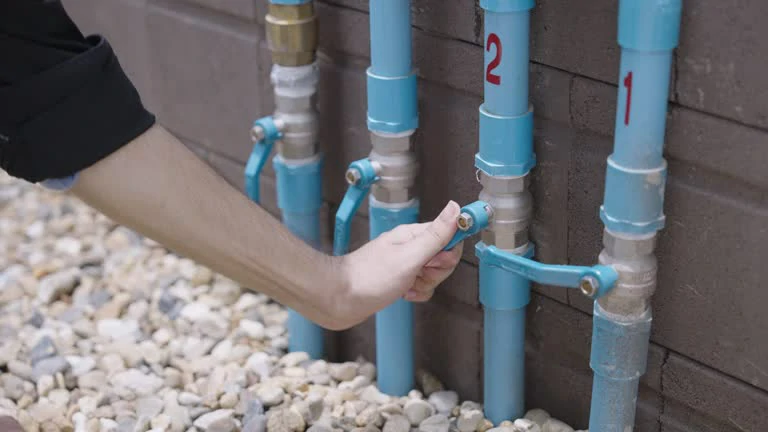
Exhaust valve precisely control the efficient release of gases from engines, industrial systems, and ventilation setups. Proper installation ensures optimal operation, reducing wear and improving overall performance. Regular care extends the valve’s lifespan, preventing costly failures and ensuring reliability. Technicians follow strict procedures when installing and maintaining exhaust valves to maximize efficiency and prevent malfunctions. Understanding best practices helps operators achieve long-term durability and optimal system performance. Exhaust valves play a critical role in various industries, making proper handling essential for seamless operation.
Selecting the Right Exhaust Valve
Choosing the correct exhaust valve depends on system requirements, operating conditions, and material compatibility. High-performance engines require heat-resistant valves to handle extreme temperatures without warping or losing efficiency. Stainless steel or titanium valves work best in high-performance automotive, aerospace, and industrial applications. Cast iron valves suit low to moderate-temperature systems, offering durability at a lower cost while maintaining sufficient performance.
Valve size and design influence efficiency. Large engines use oversized valves for effective gas expulsion, while smaller systems require compact designs for proper airflow. Manufacturers specify valve dimensions, seat angles, and coating materials to match specific applications. Engineers analyze temperature tolerance, pressure limits, and gas composition before selecting an exhaust valve. Choosing the right valve enhances efficiency, ensures smooth operation, and prevents premature wear or failure. Proper selection leads to optimal system longevity and reduced maintenance costs.
Proper Installation Techniques
Installing an exhaust valve correctly ensures proper sealing and smooth operation. Technicians must thoroughly clean the valve seat and guide before installation. Any debris, oil residue, or carbon buildup affects valve movement, leading to improper sealing and reduced efficiency. Using precision tools, they align the valve with the seat to ensure a tight, leak-free fit.
Applying the correct torque prevents structural damage. Over-tightening distorts the valve seat, causing leaks, misalignment, or improper function. Under-tightening leads to gas leakage and reduced efficiency, compromising performance. Technicians follow manufacturer guidelines for torque specifications to avoid issues. Lubricating moving parts reduces friction, preventing wear and tear during initial operation. Proper installation reduces maintenance needs and extends the valve’s operational lifespan, ensuring reliable function under varying conditions.
Ensuring Optimal Valve Seating
Valve seating affects gas flow, combustion efficiency, and overall system functionality. A misaligned valve seat causes uneven wear, reduces performance, and increases energy consumption. Technicians lap the valve seat using abrasive compounds to achieve a precise fit. This process ensures complete contact between the valve and seat, preventing gas leaks and maximizing efficiency.
Checking valve clearance prevents overheating and ensures smooth operation. Insufficient clearance leads to excessive heat buildup, damaging the valve and causing operational failures. Excessive clearance disrupts timing, reducing efficiency and increasing engine stress. Technicians measure and adjust clearance according to manufacturer specifications. Using a feeler gauge, they verify the gap and make necessary corrections to maintain consistent valve function. Proper valve seating improves gas expulsion, enhances combustion efficiency, and prolongs valve life by reducing mechanical stress.
Routine Maintenance and Inspection
Regular inspections identify wear, carbon buildup, and sealing issues before they escalate. Technicians remove the valve cover to check for deposits on the valve face and seat. Excessive carbon accumulation restricts gas flow, reducing efficiency and causing system strain. Cleaning the valve with specialized solvents removes obstructions and restores optimal function.
Monitoring wear prevents unexpected failures and extends system life. A worn valve stem or guide affects movement, leading to misalignment, air leaks, and inefficient operation. Inspecting these components ensures smooth functionality and consistent sealing. Technicians check for cracks, warping, or pitting on the valve surface. Damaged valves require immediate replacement to prevent costly system failures. Routine maintenance keeps exhaust valves operating at peak efficiency, reducing downtime and repair expenses.
Addressing Common Exhaust Valve Issues
Overheating damages exhaust valves, causing warping, cracking, or material degradation. Poor heat dissipation leads to premature valve failure, requiring frequent replacements. Using heat-resistant coatings, advanced alloys, and proper cooling systems reduces thermal stress, extending valve life and maintaining efficiency. Engineers design cooling mechanisms to prevent excessive heat buildup, ensuring longevity.
Carbon buildup affects performance by restricting airflow and creating operational inefficiencies. Low-quality fuel and improper combustion processes contribute to heavy deposits, increasing wear and reducing output. Using high-quality fuel and additives minimizes carbon accumulation. Cleaning the valve periodically prevents obstructions and optimizes gas flow. Using proper lubricants reduces wear on moving parts, improving durability and performance. Addressing these issues early prevents costly repairs, enhances operational reliability, and ensures long-term functionality.
Conclusion
Proper installation and maintenance ensure exhaust valve efficiency, longevity, and peak performance. Selecting the right valve prevents premature wear and system malfunctions. Correct installation techniques improve sealing, gas expulsion, and overall combustion efficiency. Regular inspections and thorough cleaning maintain functionality, preventing unexpected failures. Addressing overheating, carbon buildup, and lubrication ensures consistent operation. Following these best practices enhances system reliability, reduces maintenance costs, and extends the lifespan of exhaust valves in various applications.
IFAN Products international standards
IFAN products strictly adhere to a comprehensive range of international standards, encompassing ISO 15874, EN 15874, ASTM F2389, DIN 8077/8078, GB/T 18742, NBR 15884, ISO 15494, EN ISO 15494, GB/T 19472, NBR 15494, ASTM 2846 (501), DIN 8079/8080 (502), ASTM F441/F441M SCH80 (503), DIN (504), DIN (505), GB/T 18993, AS/NZS 1477, CSA B137.6, NSF/ANSI 14, TIS 17-2532/1131-2535, BS 3505, BS 4346 (801), ASTM D1785 SCH40 (802), ASTM D1785 SCH80 (803), DIN (804), GB (805), GB (806), GB(901), DWV(902), ASTM D2665 (903), along with ASTM D2241, D2665, D2729, and F441/F441M series, ISO 1452, EN ISO 1452, DIN 8061/8062, GB/T 10002, AS/NZS 1477, JIS K6741, CSA B137.3, and other national and industry norms.
Connect
IFAN is a Chinese manufacturer of plastic pipes, fittings and valves with 30 years of experience. If you are interest in IFAN copper fittings, copper valves, plastic pipes and fittings, please contact us. IFAN offers you a variety of standard pipes to meet your specific needs. Click below to learn more about IFAN’s wide range of affordable and cost-effective valve products and piping system related products.
We will reply your email or fax within 24 hours.
You can call us at any time if there is any question on our production.
For more information,pls visit our webside https://www.waterpipefactory.com/
Pls Mailto: [email protected]
Whatsapp: + 86 152 1588 7738