
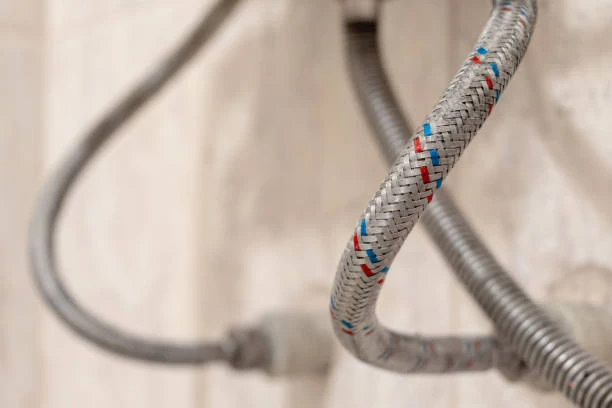
1. Introduction: What Makes Silicone Braided Hose Stand Out?
Silicone braided hoses have gained widespread popularity across various industries due to their excellent performance, adaptability, and reliable material characteristics. These hoses combine the flexibility of silicone with the enhanced strength of internal reinforcement, offering a well-rounded solution for fluid and gas transfer. Whether you’re managing food processing lines, laboratory setups, automotive systems, or industrial machinery, knowing the features of silicone braided hose will help you choose the right product for your application.
In this guide, we’ll break down everything you need to know about silicone braided hose characteristics—from frequently asked questions and material definitions to major uses and benefits. By understanding the core features, you can make informed decisions and get the best performance from your hose systems.
2. Frequently Asked Questions (FAQ)
Q1: What is the maximum temperature a silicone braided hose can withstand?
Most silicone braided hoses perform well in temperatures ranging from -60°C to +200°C. Some high-performance variants can handle even higher temperatures for short periods.
Q2: Can silicone braided hoses be used for both liquids and gases?
Yes, they are suitable for both. Their smooth inner surface, flexibility, and pressure tolerance make them reliable for transporting water, steam, air, and compatible chemicals.
Q3: Is a silicone braided hose safe for food and beverage applications?
Definitely. Food-grade silicone braided hoses are widely used in dairy, brewing, beverage, and water systems due to their non-toxic, odorless, and tasteless material properties.
Q4: Are silicone braided hoses resistant to UV and ozone?
Yes, silicone naturally resists ultraviolet radiation and ozone exposure. This makes it ideal for outdoor or exposed environments where other materials may degrade.
Q5: Do silicone braided hoses maintain flexibility over time?
They do. Unlike some materials that harden or crack with age or exposure to extreme temperatures, silicone braided hoses remain pliable for a long service life.
3. Basic Definition and Key Features of Silicone Braided Hose
A silicone braided hose is a flexible tube made from silicone rubber, reinforced with a woven layer of polyester or fiberglass braid. This design allows the hose to maintain flexibility while handling medium to high internal pressure.
Let’s take a closer look at the standout features that define this type of hose:
1. High Temperature Resistance
Silicone braided hoses work efficiently under extreme temperature conditions, from cryogenic environments to high-heat systems like steam or hot fluid transfers.
2. Pressure Durability
The braided reinforcement provides structural integrity, enabling the hose to maintain shape and withstand internal pressures in industrial and mechanical setups.
3. Chemical Inertness
Silicone resists mild acids, bases, alcohols, and water-based fluids. It doesn’t react with most substances, making it suitable for chemical, food-grade, and lab environments.
4. Odorless and Tasteless Material
This feature is essential in food and beverage systems. The hose does not impart any taste or smell to the transferred media, ensuring product purity.
5. Transparency
Many silicone braided hoses are semi-transparent, allowing visual monitoring of fluid flow. This feature is especially useful in labs and production lines.
6. Excellent Flexibility
Even with reinforcement, the hose stays highly flexible, making it easy to route around corners or through tight spaces.
7. Long Lifespan
Silicone does not easily degrade. These hoses stay strong and flexible over time, resisting cracking, yellowing, and hardening even in demanding environments.
4. Common Uses and Application Industries
Because of its versatile features, silicone braided hose is used in a wide range of applications. Let’s explore some key industries where this type of hose offers practical benefits:
Food and Beverage Industry
In commercial kitchens, breweries, and dairy farms, these hoses transport fluids like milk, beer, and juice. Their smooth surface prevents residue buildup and supports regular cleaning, making them safe and efficient.
Pharmaceutical and Medical
Silicone braided hoses are popular in drug manufacturing, hospitals, and medical labs. They carry sterilized fluids and gases while withstanding autoclave sterilization, ensuring hygiene and safety.
Automotive Sector
Automotive systems use these hoses for coolant lines, air systems, and turbo connections. Their heat resistance and pressure durability make them ideal for engine bay environments.
Laboratory and Chemical Applications
These hoses carry a variety of lab chemicals, diluted acids, or solvents. Their transparency and non-reactive nature support controlled experiments and accurate fluid management.
Industrial and Mechanical Systems
In factories, silicone braided hoses are used in equipment cooling lines, cleaning fluid transport, and compressed air systems. Their flexible yet durable structure suits dynamic setups with varying pressure demands.
5. Advantages of Silicone Braided Hose Features
Understanding how the hose’s characteristics deliver real-world benefits is essential. Here’s a breakdown of the advantages based on its core features:
Heat and Cold Resistance
This wide operating range prevents cracking or shrinking, which can occur in other hose materials exposed to temperature extremes.
Flexibility During Installation
You can bend and route silicone braided hoses through complex spaces without tools or elbows. This saves time and effort during installation.
Contamination-Free Performance
In applications where hygiene is crucial—such as in the food, biotech, or pharmaceutical industries—these hoses ensure product integrity through odorless and tasteless transfer.
Low Maintenance
Silicone’s resistance to wear, chemicals, and temperature reduces the need for frequent replacement. This lowers operational costs over time.
Visual Inspection
Semi-transparent hoses let users easily spot clogs, air bubbles, or residue. This aids in troubleshooting and maintenance.
6. Silicone Braided Hose vs. Other Hose Types
To highlight the value of silicone braided hose features, it helps to compare them with other commonly used hose types.
| Feature | Silicone Braided Hose | PVC Hose | Rubber Hose | Teflon (PTFE) Hose |
|---|---|---|---|---|
| Temperature Range | -60°C to +200°C | 0°C to +60°C | -40°C to +120°C | -70°C to +260°C |
| Flexibility | Excellent | Good | Moderate | Low |
| Pressure Capacity | Medium to High | Low | High | Very High |
| Food-Grade Compatibility | Yes | Limited | Sometimes | Yes |
| Taste/Odor Transfer | None | Possible | Possible | None |
| Visual Clarity | Semi-transparent | Transparent | Opaque | Opaque |
| Lifespan | Long | Short | Medium | Long |
This comparison shows that silicone braided hoses offer a rare balance of performance, safety, and cost-effectiveness, especially when both cleanliness and flexibility are required.
7. Selection and Usage Tips
To get the most out of silicone braided hoses, keep these tips in mind when selecting or using them:
- Check Pressure Ratings: Always ensure the hose’s pressure limit matches your system requirements.
- Confirm Food-Grade Certifications: For food, beverage, or medical use, confirm FDA, NSF, or USP compliance.
- Avoid Incompatible Chemicals: Silicone is not compatible with strong acids, petroleum-based fluids, or some chlorinated solvents.
- Use Proper Clamps: Secure the hose with stainless steel clamps to prevent leaks without damaging the braid.
- Inspect Regularly: Periodically check for discoloration, brittleness, or cracks, especially in high-temperature applications.
These tips help maximize the hose’s service life and keep your systems running safely and efficiently.
8. Conclusion: Why Silicone Braided Hose Features Matter
Silicone braided hoses combine performance, safety, and ease of use in one flexible package. Their core features—such as thermal resistance, reinforced pressure strength, non-reactivity, and long-lasting flexibility—make them a preferred choice for professionals in food processing, pharmaceuticals, automotive systems, and more.
By understanding the specific characteristics of silicone braided hoses, you can make informed decisions for your projects or systems. These hoses don’t just perform well—they simplify maintenance, reduce system risks, and contribute to safer, cleaner operations.
In short, if your application requires a hose that handles heat, pressure, and sensitive materials with ease, a silicone braided hose is a smart and reliable investment.
IFAN International Standards
To meet global quality demands, IFAN HDPE pipes follow a wide range of international standards, such as ASTM D3035, ISO 4427, EN 12201, and GB/T 13663. These standards define the pipe’s strength, durability, and safety. Moreover, IFAN complies with DIN 8074/8075, AS/NZS 4130, JIS K6760, BS 6572, and CSA B137.1, making their products suitable for water, gas, and industrial systems worldwide. Because IFAN meets all these trusted certifications, users can confidently choose IFAN for reliable performance in any environment.
Contact Us
If you have any questions about cold taps or need help selecting the right model, feel free to reach out to our team. We offer expert advice and support tailored to your industry and application.
IFAN is a Chinese manufacturer of plastic pipes, fittings and valves with 30 years of experience. If you are interest in IFAN copper fittings, copper valves, plastic pipes and fittings, please contact us. IFAN offers you a variety of standard pipes to meet your specific needs. Click below to learn more about IFAN’s wide range of affordable and cost-effective valve products and piping system related products.
We will reply your email or fax within 24 hours.
You can call us at any time if there is any question on our production.
For more information,pls visit our webside https://www.waterpipefactory.com/
Pls Mailto: [email protected]
Whatsapp: + 86 152 1588 7738