
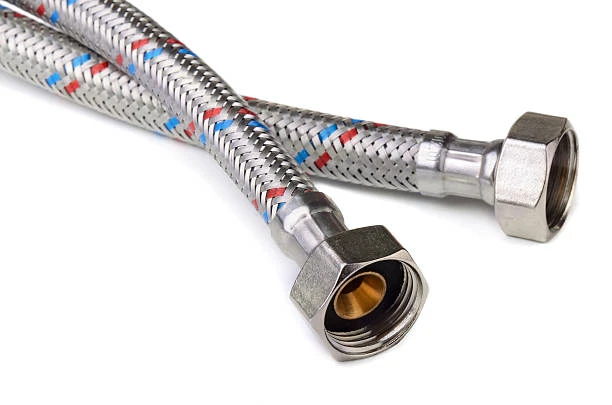
Braided hoses are essential components in a wide range of applications, from everyday household use to highly specialized industrial systems. Known for their durability, flexibility, and resistance to pressure, these hoses serve as reliable conduits for fluids and gases in numerous settings. Whether in a washing machine at home or a fuel delivery system in a factory, braided hoses provide performance and safety where it counts.
Frequently Asked Questions (FAQ)
1. What is the main purpose of braided hoses?
Braided hoses are used to transport fluids or gases under pressure. Their braided outer layer adds strength and flexibility, making them suitable for both high and low-pressure systems.
2. Can braided hoses be used for drinking water applications?
Yes, many braided hoses are certified for potable water use. However, it is important to check for specific certifications and ensure that the materials used are safe for drinking water.
3. Are braided hoses suitable for high-temperature environments?
That depends on the material. Stainless steel braided hoses, for instance, can handle high temperatures, while some plastic-braided hoses may not be heat-resistant.
4. How long do braided hoses typically last?
With proper installation and maintenance, braided hoses can last anywhere from 5 to 10 years or even longer, depending on the quality and usage conditions.
5. Do braided hoses require regular maintenance?
They are generally low-maintenance, but regular inspections for leaks, corrosion, or wear can help extend their lifespan and ensure safety.
Basic Definition and Key Characteristics
Braided hoses are flexible tubes reinforced with a braided outer layer. The inner hose is usually made of rubber, PVC, or PTFE, which handles the transportation of liquids or gases. The outer layer, made of stainless steel or synthetic fiber, provides additional strength and protection.
One of the most important characteristics of is their pressure resistance. The braiding prevents the hose from expanding under pressure, which allows it to function safely in high-pressure systems. In addition, the braiding improves the hose’s resistance to mechanical damage, such as cuts or abrasion.
Another defining feature is flexibility can bend and twist to accommodate tight spaces or complex installations without compromising flow or performance. This combination of strength and flexibility makes them incredibly versatile.
Moreover, these hoses come in a wide range of sizes, lengths, and material combinations.
Common Uses and Application Industries
Braided hoses find their place in an impressive variety of industries due to their strength, reliability, and adaptability. Here are some of the most common applications:
1. Household Plumbing Systems
In residential settings, braided hoses are frequently used to connect water supplies to sinks, toilets, dishwashers, and washing machines. They offer a secure and leak-resistant solution that also looks neat and clean. Their flexibility makes them especially useful in tight or awkward spaces where rigid pipes would be difficult to install.
2. Automotive and Transportation
In vehicles, braided hoses are used for fuel lines, brake systems, transmission cooling, and hydraulic connections. Their ability to handle vibration, pressure, and high temperatures makes them ideal for critical systems. Performance vehicles often use braided hoses for enhanced safety and reliability.
3. Industrial Manufacturing
Manufacturing plants rely on braided hoses to transport water, chemicals, oils, and gases. They are used in applications ranging from coolant systems to pneumatic tools and high-pressure hydraulic machines. These hoses help minimize downtime by offering durable, long-lasting service in demanding environments.
4. Medical and Laboratory Equipment
In medical environments, PTFE braided hoses are used to carry gases and fluids in sterilized systems. Their resistance to contamination and chemical reactions makes them suitable for sensitive applications such as dialysis machines, laboratory analysis, and pharmaceutical production.
5. Food and Beverage Industry
Braided hoses used in food processing must meet hygienic standards and often carry certifications for food-grade safety. They can be used for transporting milk, beer, wine, juice, or even cleaning agents. Their flexibility and easy-clean surfaces make them ideal for dynamic food production lines.
6. HVAC Systems
Heating, ventilation, and air conditioning systems often use to manage water and refrigerant flow. Their flexibility and pressure tolerance make them reliable connectors between rigid piping and moving parts.
7. Agriculture and Irrigation
Farmers use for irrigation systems that require a balance of strength and flexibility. These hoses can handle variable pressure and exposure to sunlight, chemicals, and physical stress from machinery or soil movement.
8. Construction and Heavy Machinery
On construction sites, braided hoses are used in air compressors, jackhammers, and other powered tools. These must perform under rugged conditions, so the braided layer protects against cuts, impacts, and pressure surges.
9. Marine and Shipbuilding
In the maritime industry, braided hoses help in fuel delivery, bilge pumping, and cooling systems for engines.
Conclusion
Braided hoses are more than just flexible pipes; they are high-performance solutions that meet the demands of a wide variety of industries. Understanding the uses of can help you choose the right product for your specific needs, whether you’re working on a home plumbing project or managing an industrial operation. As technology and materials continue to advance, braided hoses will likely become even more specialized, offering even better performance across all sectors.
If you’re considering incorporating into your system, be sure to consult professionals or trusted manufacturers to ensure you get the right type, size, and material for your application.
IFAN International Standards
To meet global quality demands, IFAN HDPE pipes follow a wide range of international standards, such as ASTM D3035, ISO 4427, EN 12201, and GB/T 13663. These standards define the pipe’s strength, durability, and safety. Moreover, IFAN complies with DIN 8074/8075, AS/NZS 4130, JIS K6760, BS 6572, and CSA B137.1, making their products suitable for water, gas, and industrial systems worldwide. Because IFAN meets all these trusted certifications, users can confidently choose IFAN for reliable performance in any environment.
Contact Us
If you have any questions about cold taps or need help selecting the right model, feel free to reach out to our team. We offer expert advice and support tailored to your industry and application.
IFAN is a Chinese manufacturer of plastic pipes, fittings and valves with 30 years of experience. If you are interest in IFAN copper fittings, copper valves, plastic pipes and fittings, please contact us. IFAN offers you a variety of standard pipes to meet your specific needs. Click below to learn more about IFAN’s wide range of affordable and cost-effective valve products and piping system related products.
We will reply your email or fax within 24 hours.
You can call us at any time if there is any question on our production.
For more information,pls visit our webside https://www.waterpipefactory.com/
Pls Mailto: [email protected]
Whatsapp: + 86 152 1588 7738