
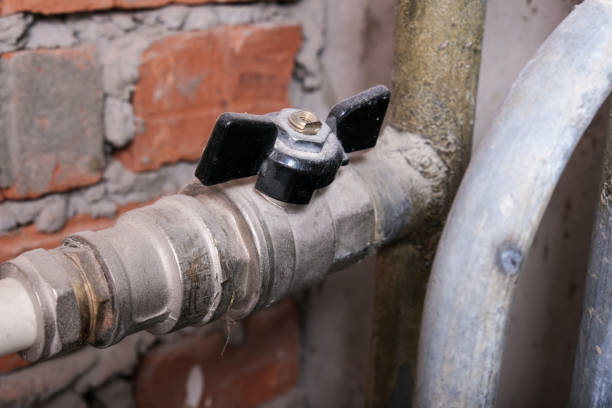
Introduction: A Closer Look at the Forged Brass Ball Valve
When we talk about a forged brass ball valve, we refer to a highly durable and reliable component that is widely used in industrial applications. The manufacturing of this valve requires precision, skill, and advanced techniques to ensure that it performs reliably under pressure and in demanding environments. The production process involves multiple stages, from material selection to testing, with each step being crucial to the valve’s final performance.
Material Selection: The Foundation of Quality
The first step in manufacturing a forged brass ball valve is selecting the right material. Brass, chosen for its excellent resistance to corrosion and strength, serves as the ideal material. Unlike other metals, brass offers a balance between durability and malleability, which is critical for the forging process. Manufacturers carefully choose high-quality brass alloys to ensure that the valve will withstand both mechanical stress and exposure to various environmental conditions.
The Forging Process: Shaping the Valve Body
Once the brass alloy is selected, the manufacturing process begins with forging. This involves heating the brass to a high temperature and then applying pressure to shape it into the desired form. The forging process enhances the material’s structure, ensuring uniform density and improved strength. By using this method, manufacturers create a solid, compact valve body that can endure higher pressures compared to cast valves, offering better overall performance and longevity.
Machining and Precision: Achieving the Perfect Fit
After the brass has been forged, the valve body undergoes precise machining. This process is critical to achieving the perfect fit between the valve ball, seat, and other components. Using advanced CNC (Computer Numerical Control) machines, skilled operators carve and refine the internal features of the valve with high precision. The machining process ensures smooth operation, minimal leakage, and optimal flow control when the valve is in use.
Data Insights: Durability and Performance
According to a 2024 study by the Industrial Valve Research Group, forged brass ball valves demonstrate 25% better pressure resistance compared to cast brass ball valves. Furthermore, these valves maintain their performance for up to 60,000 open/close cycles, which is significantly longer than the typical 40,000 cycles for standard valves. These statistics emphasize the advantages of the forging process in producing a more robust, long-lasting product.
Surface Treatment: Enhancing Resistance
To further increase the durability of the valve, manufacturers apply surface treatments such as plating or coating. These treatments protect the valve from corrosion, scale buildup, and wear over time. Many forged brass ball valves receive a layer of nickel or chrome plating, which not only enhances their appearance but also provides a strong protective barrier against harsh environmental factors. This step ensures that the valve remains functional and reliable even in corrosive or high-stress environments.
Testing and Quality Control: Ensuring Reliability
Before leaving the factory, each forged brass ball valve undergoes rigorous testing. Manufacturers subject the valve to a variety of tests, including pressure testing, flow rate measurements, and leak tests, to ensure it meets industry standards and performs optimally. Detailed inspections check for machining precision, material quality, and durability. These thorough quality control measures ensure that only the highest quality forged brass ball valves make it to market, providing customers with products they can trust.
Conclusion: The Art of Crafting Forged Brass Ball Valves
The manufacturing of a forged brass ball valve involves a meticulous process that combines advanced technology with expert craftsmanship. Each step, from material selection and forging to machining and testing, plays a vital role in creating a valve that offers exceptional performance, strength, and durability. The forging process, in particular, provides significant advantages in terms of pressure resistance and longevity. Choosing a forged brass ball valve means investing in a high-quality, reliable product that will stand the test of time and perform flawlessly in demanding applications.
IFAN PEX fittings meet ISO 15875, GB/T 18992, DIN 16892, ASTM F877/F2788, BS 7291, BS EN ISO 15875 and CSA B137 standards for optimum quality and compatibility.
Connect
IFAN is a Chinese manufacturer of plastic pipes, fittings and valves with 30 years of experience. If you are interest in IFAN copper fittings, copper valves, plastic pipes and fittings, please contact us. IFAN offers you a variety of standard pipes to meet your specific needs. Click below to learn more about IFAN’s wide range of affordable and cost-effective valve products and piping system related products.
We will reply your email or fax within 24 hours.
You can call us at any time if there is any question on our production.
For more information,pls visit our webside https://www.waterpipefactory.com/
Pls Mailto: [email protected]
Whatsapp: + 86 152 1588 7738