
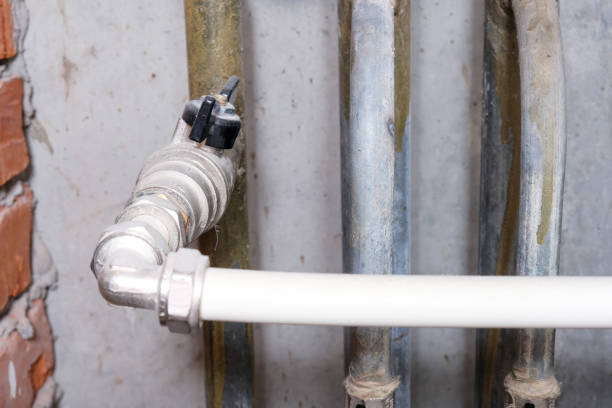
Why Corrosion Resistance Matters
In industrial and commercial piping systems, corrosion resistance is critical to ensuring the longevity and functionality of components. A forged brass ball valve excels in this area, offering robust protection against corrosive elements. These valves are designed to withstand harsh environmental conditions, making them ideal for use in systems that handle aggressive fluids or operate in corrosive environments. Understanding the factors that contribute to the corrosion resistance of forged brass ball valves highlights their value in modern infrastructure.
Brass: The Material Behind the Durability
The corrosion resistance of forged brass ball valves begins with the material itself. Brass, an alloy of copper and zinc, is naturally resistant to corrosion, making it an ideal choice for piping systems exposed to moisture and other corrosive agents. The composition of brass ensures that it does not degrade as quickly as other metals, such as steel or iron, when exposed to water, air, or chemicals. This makes forged brass valves a reliable option for long-term use in many industries, including water treatment, chemical processing, and heating systems.
The Forging Process: Enhancing Corrosion Resistance
The forging process plays a crucial role in the corrosion resistance of brass ball valves. During forging, the brass is heated to high temperatures and shaped under pressure, which refines the material’s internal structure. This process eliminates impurities and creates a denser, stronger valve body. The result is a valve that not only has improved mechanical properties but also enhanced resistance to corrosion, as the forging process ensures fewer weaknesses or cracks that could allow corrosive agents to penetrate.
Data Insights: Corrosion Resistance Performance
A 2023 report from the International Valve Manufacturers Association (IVMA) revealed that forged brass ball valves demonstrate 40% better resistance to corrosion compared to their cast counterparts. The study found that these valves maintain their integrity in harsh environments for significantly longer, with an average lifespan of up to 20 years in seawater applications, compared to 15 years for cast valves. This data highlights the superior performance of forged brass valves, especially in challenging conditions that involve prolonged exposure to corrosive substances.
Resistance to Specific Corrosive Elements
Forged brass ball valves are particularly resistant to several common corrosive agents. For example, they perform well in environments with high moisture content, where other materials might degrade. In addition, brass’s resistance to stress corrosion cracking (SCC) makes it a preferred material in systems that experience fluctuating pressures or temperatures. Whether exposed to salty water, acidic or alkaline chemicals, or even low-oxygen environments, forged brass valves maintain their functionality without significant degradation.
The Role of Surface Treatment in Corrosion Resistance
In addition to the inherent properties of brass, manufacturers often apply surface treatments to further enhance the corrosion resistance of forged brass ball valves. These treatments include coatings such as nickel plating or chrome plating, which provide an additional protective layer. These coatings help resist galvanic corrosion, where two metals react with each other in the presence of an electrolyte. Surface treatments can also prevent the buildup of scale and minerals, which can otherwise contribute to valve failure over time.
Conclusion: The Long-Term Benefits of Corrosion Resistance
The forged brass ball valve offers exceptional corrosion resistance, making it a reliable and durable choice for pipe systems exposed to harsh conditions. From the inherent properties of brass to the refining effects of the forging process, these valves ensure long-lasting performance. Data-backed studies demonstrate that forged brass valves outperform cast valves in terms of corrosion resistance and longevity, particularly in demanding environments. By choosing a forged brass ball valve, industries can enjoy a corrosion-resistant solution that ensures operational efficiency and minimizes maintenance costs over time.
IFAN PEX fittings meet ISO 15875, GB/T 18992, DIN 16892, ASTM F877/F2788, BS 7291, BS EN ISO 15875 and CSA B137 standards for optimum quality and compatibility.
Connect
IFAN is a Chinese manufacturer of plastic pipes, fittings and valves with 30 years of experience. If you are interest in IFAN copper fittings, copper valves, plastic pipes and fittings, please contact us. IFAN offers you a variety of standard pipes to meet your specific needs. Click below to learn more about IFAN’s wide range of affordable and cost-effective valve products and piping system related products.
We will reply your email or fax within 24 hours.
You can call us at any time if there is any question on our production.
For more information,pls visit our webside https://www.waterpipefactory.com/
Pls Mailto: [email protected]
Whatsapp: + 86 152 1588 7738