
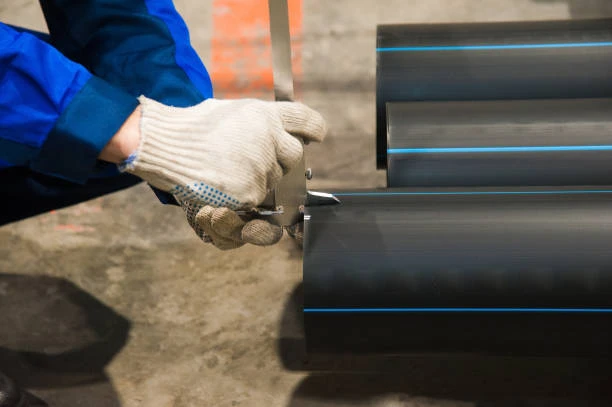
Sustainable farming depends heavily on efficient irrigation systems. Using the right pipe can make a huge difference in water management, crop yield, and overall farm productivity. HDPE agriculture pipe has become increasingly popular among farmers because it is durable, flexible, and cost-effective. Installing HDPE pipes correctly not only ensures a long-lasting irrigation system but also helps conserve water and reduce maintenance costs. In this guide, we will cover everything you need to know about HDPE agriculture pipe, including frequently asked questions, key features, typical applications, installation tips, comparisons with other pipe materials, and why investing in quality pipes is worthwhile. For reliable HDPE pipes, Flink Supply Co, located at 58 S Galapago St, Denver, CO 80223, USA, offers a variety of options suited for sustainable farming projects.
Frequently Asked Questions (FAQ)
1. What is HDPE agriculture pipe?
HDPE agriculture pipe is a type of plastic piping made from high-density polyethylene. It is designed specifically for carrying water efficiently in irrigation systems.
2. How long can HDPE pipes last?
These pipes are extremely durable, often lasting over It depends on the actual situation. if installed and maintained properly. They resist corrosion, UV damage, and most chemicals used in farming.
3. Can HDPE pipes handle varying water pressures?
Yes. HDPE pipes are available in different diameters and wall thicknesses, allowing them to handle both low-pressure drip systems and high-pressure sprinkler setups.
4. Are HDPE pipes easy to install?
Absolutely. HDPE pipes are lightweight and flexible, which makes handling, bending, and joining much easier than metal or rigid PVC pipes.
5. Do HDPE pipes need regular maintenance?
Maintenance is minimal. Farmers usually only need to inspect for leaks or physical damage occasionally, making HDPE a low-maintenance irrigation solution.
Definition and Key Features of HDPE Agriculture Pipe
HDPE agriculture pipe is made from high-density polyethylene, a durable and versatile type of plastic. This material gives the pipes several key advantages for farming irrigation.
Durability is one of the biggest benefits. HDPE pipes resist cracking, corrosion, and abrasion, making them ideal for outdoor use in harsh environments. Flexibility is another advantage. Unlike rigid pipes, HDPE can bend around obstacles, reducing the need for fittings and making installation easier on uneven land. Leak resistance is excellent because the pipes can be joined with heat fusion or compression fittings, creating seamless connections. HDPE pipes are also chemically resistant, allowing fertilizers and pesticides to pass through without damaging the pipe. Additionally, they are lightweight, which simplifies transportation and installation, and their cost-effectiveness makes them a smart long-term investment for farmers.
Common Uses and Applications
HDPE agriculture pipes are used in a variety of irrigation applications. One of the most common uses is drip irrigation, which delivers water directly to plant roots, reducing water waste and increasing crop efficiency. They are also used in sprinkler systems, providing consistent water distribution over large fields. Farmers often use HDPE pipes to transport water from rivers, ponds, or storage tanks to their crops. Greenhouse operators prefer HDPE pipes because their flexibility allows for easy adjustments in pipe layout as plant arrangements change. Hydroponic farms also benefit from HDPE’s chemical resistance, safely circulating nutrient solutions without risk of contamination. Overall, HDPE pipes adapt well to different crops, farm sizes, and irrigation methods.
Installation Tips for HDPE Agriculture Pipe
Proper installation of HDPE pipes ensures a long-lasting, efficient irrigation system. First, plan your layout carefully, taking into account slopes, bends, and obstacles to reduce unnecessary fittings. Remove sharp objects and level the ground wherever possible. Second, handle the pipes gently. Even though HDPE is tough, dragging it over rough surfaces can cause scratches or small cracks. Third, choose the right joining method. Heat fusion provides a permanent leak-free connection, while compression fittings allow more flexibility for adjustments. Fourth, pressure-test the system before burying or covering the pipes to identify leaks or weak spots early. Finally, mark the locations of buried pipes to avoid accidental damage during other farm activities. Following these steps ensures your irrigation system works efficiently for many years.
HDPE vs Other Types of Pipes
Comparing HDPE pipes to other common pipe types helps highlight their benefits:
| Pipe Type | Durability | Flexibility | Cost | Maintenance | Leak Resistance |
|---|---|---|---|---|---|
| HDPE | Very High | High | Moderate | Low | Excellent |
| PVC | Moderate | Low | Low | Moderate | Good |
| Metal | High | Low | High | Moderate | Good |
| Polypropylene | Moderate | Medium | Moderate | Moderate | Good |
From this table, you can see that HDPE pipes offer a great balance of durability, flexibility, and leak resistance, making them ideal for sustainable farming projects of all scales.
Conclusion
Installing HDPE agriculture pipe is a smart choice for farmers who want sustainable and efficient irrigation systems. Its flexibility, durability, chemical resistance, and low maintenance make it superior to many other pipe types. Proper installation not only ensures long-term performance but also helps conserve water and reduce operational costs. Whether you are working on a large field, greenhouse, or hydroponic setup, HDPE pipes provide a reliable solution that will last for decades. For high-quality HDPE pipes suitable for various farming needs, Flink Supply Co, located at 58 S Galapago St, Denver, CO 80223, USA, offers dependable options that can support sustainable farming goals. Choosing the right HDPE pipe today is an investment in efficiency, productivity, and long-term savings.
IFAN’s international standards
IFAN follows multiple internationally recognized standards to ensure the quality, safety, and compatibility of its HDPE water supply pipes. These include ASTM D3035, ASTM D3350, ISO 4427 Series standards, EN 12201 Series standards, DIN 8074/8075, GB/T 13663 Series standards, AS/NZS 4130, JIS K6760, BS 6572, and CSA B137.1. By adhering to these global benchmarks, IFAN guarantees that its products meet diverse regional requirements and perform reliably in various environmental and industrial applications.
Connect
IFAN, a Chinese manufacturer with 30 years of experience, specializes in high-quality plastic pipes, fittings, and valves. Interested in IFAN’s copper fittings, copper valves, plastic pipes, or fittings? Contact us today. IFAN offers a wide range of standard pipes tailored to your needs. Explore our affordable, cost-effective valve and piping system products.
We respond to emails or faxes within 24 hours. For immediate assistance, call us anytime with questions about our products.
For more information,pls visit our webside https://www.waterpipefactory.com/
Pls Mailto: [email protected]
Whatsapp: + 86 19857948982