
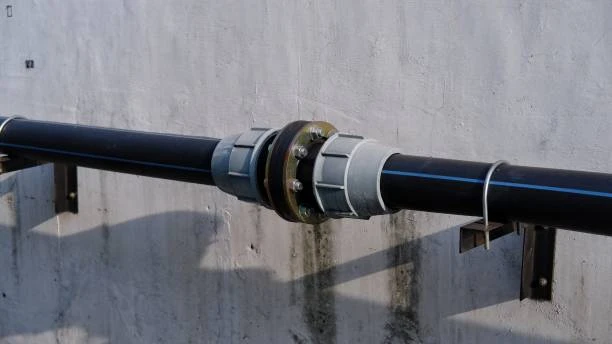
High-Density Polyethylene (HDPE) is a durable, lightweight plastic used across industries like plumbing, manufacturing, and construction. However, to achieve professional results during hdpe machining, you need proper tools, techniques, and materials. This guide covers everything from tool selection to sourcing certified HDPE, making it ideal for both beginners and professionals.
1. Why HDPE Is Ideal for Machining
First of all, HDPE’s physical properties make it especially suitable for machining:
- Low friction
- High impact resistance
- Moisture and chemical resistance
- Flexibility and strength balance
As a result, machinists and engineers favor HDPE for piping systems, mechanical parts, and outdoor applications. Additionally, its ease of cutting and shaping reduces waste and machining time.
2. The Right Tools for the Job
To begin with, using the correct tools significantly improves cut quality. Fortunately, most woodworking or plastic-cutting tools can handle HDPE.
| Tool | Use Case | Notes |
|---|---|---|
| Circular Saw | Straight, long cuts | Use fine-toothed carbide blade |
| Table Saw | Precise panel cuts | Feed steadily to avoid melt |
| Band Saw | Curves or pipe cuts | Choose coarse blade for speed |
| Router | Slots, edges, detailing | Single-flute bits preferred |
| CNC Machine | High-volume precision | Set low RPM, high feed |
In short, avoid high-speed friction. Otherwise, HDPE may melt, leaving rough or distorted edges.
3. Cutting Techniques: From Sheet to Pipe
Cutting HDPE Sheets
Before making a cut, mark your measurements with a visible, non-smudging marker. Then:
- Clamp sheets tightly to prevent vibration
- Guide your saw smoothly, avoiding pauses
- Clean up edges using a deburring knife
Furthermore, always cut in a well-ventilated area, especially when using power tools.
Cutting HDPE Pipes
Unlike sheets, pipes require better stabilization. Therefore, always use a pipe cradle or vise. Additionally:
- Rotate the pipe slowly during handheld cuts
- Use a band saw or pipe cutter for even edges
- Deburr both the inside and outside after cutting
In many cases, smoothing the pipe end improves fit and reduces joint failure.
4. Drilling, Routing, and Tapping: Extra Precision
When working with HDPE, precision matters—especially for hole drilling and part fitting.
Drilling HDPE
For best results:
- Use standard HSS or carbide twist bits
- Back thin pieces with scrap material
- Frequently clear chips to prevent melting
- Use slow RPM and consistent pressure
Routing HDPE
Routing works well for grooves or decorative edges. As such:
- Use straight, single-flute bits
- Secure the material to reduce vibration
- Take multiple shallow passes for accuracy
Tapping HDPE
Unlike metal, HDPE doesn’t hold threads well under stress. Thus:
- Tap slowly using wide-flute tools
- Clear chips every full turn
- Use metal inserts where strength is required
5. Common Mistakes to Avoid
Even with experience, mistakes happen. Nevertheless, most are preventable:
| Mistake | Problem | Solution |
|---|---|---|
| Dull blade | Causes melting and drag | Use sharp carbide tips |
| Too slow feed | Friction burns material | Maintain steady pace |
| No clamping | Leads to rough cuts | Secure all workpieces |
| Forgetting deburr | Fitment issues | Always clean edges after cut |
| Ignoring specs | Leads to rework | Follow IFAN standard sheets |
Therefore, regular maintenance and adherence to procedures ensure cleaner, faster output.
6. Real Applications of Machined HDPE
HDPE’s machinability makes it popular in various industries. For instance:
Plumbing and Irrigation
Machined pipes and couplings are common in water systems, especially in rural and agricultural areas. Because of HDPE’s corrosion resistance, it lasts longer than metal alternatives.
Manufacturing Components
From conveyor parts to valve blocks, HDPE fits industrial use due to its toughness and low friction. Furthermore, it operates silently and doesn’t require lubrication.
DIY Projects
Builders and makers also use HDPE for outdoor furniture, signage, and marine applications. Since it doesn’t rot or corrode, it’s perfect for exposed environments.
7. Sourcing Certified HDPE Material
To achieve professional-grade machining results, material quality is critical. That’s why many professionals choose IFAN, a trusted HDPE supplier worldwide.
IFAN HDPE products comply with:
- ASTM D3035 / D3350
- ISO 4427 / EN 12201
- DIN 8074 / GB/T 13663
- AS/NZS 4130 / CSA B137.1
Moreover, IFAN offers:
- PE100-grade sheets, pipes, and fittings
- Full traceability and test reports
- OEM and bulk options
- Multilingual customer support
- Fast delivery and global reach
Therefore, whether you’re in Asia, Europe, or Africa, IFAN can ship HDPE materials directly to your jobsite or factory.
8. Handling, Storage, and Safety Advice
Besides cutting techniques, proper storage and safety practices protect both workers and materials.
Storage Tips
- Store HDPE flat to avoid warping
- Keep away from direct sunlight
- Protect edges from mechanical damage
- Label inventory to avoid mixing grades
Safety Tips
- Wear eye and hand protection
- Use dust extraction when routing large volumes
- Avoid open flames or heat near shavings
- Keep a first aid kit nearby in all cutting areas
Above all, a clean and organized workspace boosts safety and efficiency.
✅ Final Thoughts: Preparation Leads to Perfection
To sum up, successful HDPE machining requires:
- The right tools and speeds
- Proper cutting and clamping techniques
- Clean-up procedures like deburring and cooling
- Most importantly, certified material
Whether you’re producing components for a water system, industrial plant, or your next DIY creation, HDPE gives you the flexibility and durability you need—with precise machining, every time.
📋 Summary Checklist
- Sharp carbide tools used?
- Correct feed and speed set?
- Material clamped securely?
- Edges cleaned and deburred?
- Material sourced from certified supplier?
If you checked all of these—your HDPE part is ready to perform.
IFAN International Standard: Global Certifications You Can Trust
When choosing HDPE plastic for industrial or plumbing use, compliance with international standards is essential. IFAN HDPE products meet or exceed the most recognized certifications worldwide, ensuring safety, performance, and compatibility. These include ASTM D3035 and ASTM D3350 (USA), ISO 4427 (global), EN 12201 (Europe), DIN 8074/8075 (Germany), GB/T 13663 (China), AS/NZS 4130 (Australia/New Zealand), JIS K6760 (Japan), BS 6572 (UK), and CSA B137.1 (Canada). Whether you’re building a water supply system or manufacturing components, IFAN ensures you receive products that meet the highest global standards.
Connect
IFAN is a Chinese manufacturer of plastic pipes, fittings and valves with 30 years of experience. If you are interest in IFAN copper fittings, copper valves, plastic pipes and fittings, please contact us. IFAN offers you a variety of standard pipes to meet your specific needs. Click below to learn more about IFAN’s wide range of affordable and cost-effective valve products and piping system related products.
We will reply your email or fax within 24 hours.
You can call us at any time if there is any question on our production.
For more information,pls visit our webside https://www.waterpipefactory.com/
Pls Mailto: [email protected]
Whatsapp: + 86 152 1588 7738