
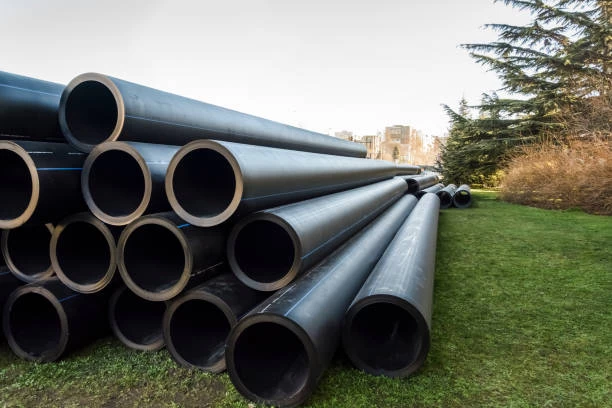
High-Density Polyethylene (HDPE) pipes, known for their durability, flexibility, and resistance to corrosion, have become essential components in infrastructure projects worldwide. Among the various sizes available, the 4-inch HDPE pipe is commonly used for water distribution, irrigation, gas pipelines, and sewer systems. Given its wide range of applications, understanding the pricing trends and factors that affect the cost of 4-inch HDPE pipes is crucial for businesses, contractors, and project managers. This article examines the current situation surrounding the price of 4-inch HDPE pipes, including market dynamics, influencing factors, and future trends.
Current Price Range for 4-Inch HDPE Pipes
The price of 4-inch HDPE pipes varies depending on several factors, including quality, region, and supply chain conditions. On average, the price typically ranges between $1.50 and $3.00 per foot, though this can fluctuate based on additional specifications such as pipe wall thickness, type of fittings, and any special coatings. The prices can also vary depending on the country or region, as local manufacturers, import duties, and logistics impact the overall cost. It’s essential to consider the specific requirements of the project, such as pipe length, pressure rating, and installation environment, when estimating the total cost of a 4-inch HDPE pipe.
Factors Influencing the Price of 4-Inch HDPE Pipes
Several factors contribute to fluctuations in the price of 4-inch HDPE pipes. One of the primary influences is the cost of polyethylene resin, which constitutes the majority of the material used in HDPE pipe production. As polyethylene is derived from petroleum, the price of crude oil plays a critical role in determining the cost of HDPE pipes. A rise in crude oil prices typically leads to an increase in resin prices, which, in turn, drives up the cost of manufacturing HDPE pipes. Conversely, when oil prices drop, manufacturers may experience a reduction in production costs, leading to lower prices for HDPE pipes.
Another key factor is demand. Regions undergoing rapid infrastructure development or urbanization tend to experience higher demand for HDPE pipes, which may cause prices to rise due to increased competition for resources. In contrast, regions with a slower pace of infrastructure projects may see more stable or even declining prices due to less pressure on supply.
Regional Price Differences for 4-Inch HDPE Pipes
Price variations exist between regions, primarily driven by differences in local manufacturing capacity, transportation costs, and regional market demand. In developed countries like the United States, Canada, and many European nations, the price of 4-inch HDPE pipes tends to be stable, as these markets are mature, and supply chains are well-established. However, factors such as labor costs and regulatory compliance can make prices in these regions slightly higher.
In emerging markets such as Southeast Asia, Africa, and Latin America, the price of 4-inch HDPE pipes may be higher due to the cost of imports, shipping, and import duties. Many countries in these regions rely on imported HDPE pipes, which increases costs due to transportation and customs procedures. Additionally, the lack of local manufacturing facilities or limited access to raw materials can also contribute to higher prices. Nonetheless, in regions with rapidly growing infrastructure needs, the demand for cost-effective piping solutions like HDPE pipes is driving market growth.
Supply Chain Challenges Affecting Pricing
The global supply chain for HDPE pipes is complex, and disruptions in the supply chain can directly affect prices. Factors such as shipping delays, raw material shortages, or unexpected increases in transportation costs can lead to price hikes. Recent global events, such as the COVID-19 pandemic, have highlighted the vulnerability of international supply chains, causing delays in production and distribution of raw materials. For example, fluctuations in the supply of polyethylene resin, as well as shipping constraints in major ports, can create volatility in the price of 4-inch HDPE pipes.
Additionally, factors like labor shortages, production halts, or factory closures can increase lead times, which may drive up the cost of ordering and delivering HDPE pipes. Supply chain disruptions often result in higher logistics costs, especially if companies are forced to use alternative shipping routes or air freight to meet urgent demand.
Import and Export Factors Affecting HDPE Pipe Pricing
Countries that import 4-inch HDPE pipes may face additional costs in the form of tariffs, taxes, and duties. These factors can significantly increase the price of the pipes in markets that rely heavily on imports. For example, regions with limited local production may need to import HDPE pipes from countries like China, the U.S., or Germany. Import tariffs and taxes can add as much as 10% to 20% to the cost of the pipes, making them more expensive for end-users. On the other hand, countries with strong local manufacturing capabilities may have more competitive pricing and reduced reliance on imports.
The fluctuating exchange rates between countries also play a role in international pricing. A weakening currency in the importing country can lead to higher costs for products imported from countries with stronger currencies. Exporters, therefore, need to be aware of these dynamics to remain competitive in international markets.
Technological Advancements and Their Impact on Pricing
Technology has played a significant role in the production of HDPE pipes, improving the efficiency and quality of manufacturing processes. Advancements in extrusion technology, which is used to form the pipes, have led to more precise and consistent production, reducing waste and increasing throughput. These improvements help manufacturers lower production costs, which may, in turn, reduce the price of HDPE pipes, including the 4-inch variety.
Additionally, the development of specialized HDPE pipes with enhanced resistance to UV rays, chemicals, or higher pressures adds value to the product but may also lead to slightly higher prices. Customers looking for these advanced features may need to budget for the added costs. Innovations in the recycling of HDPE materials also help reduce costs by lowering the demand for virgin polyethylene resin, potentially contributing to lower prices for HDPE pipes in the future.
Application-Driven Demand and Its Influence on Prices
In sectors such as municipal water systems, irrigation, sewage management, and oil and gas pipelines, the 4-inch size is a popular choice due to its balance of capacity and cost-effectiveness. In areas where large-scale infrastructure projects are taking place, such as in urbanization or agricultural development, the demand for HDPE pipes is likely to increase, pushing up prices due to heightened competition for limited resources.
Conversely, in regions with less investment in infrastructure or slower economic growth, the demand for HDPE pipes may stabilize or decline, leading to price reductions. Understanding the application-driven demand in different sectors can help buyers and suppliers predict price trends and adjust purchasing strategies accordingly.
Future Outlook for 4-Inch HDPE Pipe Pricing
As infrastructure projects continue to expand globally, particularly in emerging economies, the demand for durable and cost-effective piping solutions will likely remain strong. However, fluctuations in raw material costs, supply chain disruptions, and regional differences in pricing will continue to play a significant role in determining the final price of HDPE pipes.
The ongoing development of more sustainable and eco-friendly manufacturing practices could also drive future cost reductions. Increased competition and more efficient production processes may make 4-inch HDPE pipes more affordable for both manufacturers and end-users. Additionally, as more countries adopt green building standards and prioritize long-lasting, recyclable materials, the demand for HDPE pipes will likely continue to rise, ensuring their place in future infrastructure projects.
Conclusion
The price of 4-inch HDPE pipes is determined by a wide range of factors, including raw material costs, regional demand, supply chain conditions, and technological advancements. Understanding these elements helps manufacturers, suppliers, and buyers make more informed decisions when purchasing or selling these essential components. As the market evolves, price trends will continue to be shaped by global economic conditions, technological developments, and regional infrastructure needs. By staying informed and adaptable, businesses can better navigate the complexities of the HDPE pipe market and ensure they meet their project requirements while managing costs effectively.
Connect
IFAN is a Chinese manufacturer of plastic pipes, fittings and valves with 30 years of experience. If you are interest in IFAN copper fittings, copper valves, plastic pipes and fittings, please contact us. IFAN offers you a variety of standard pipes to meet your specific needs. Click below to learn more about IFAN’s wide range of affordable and cost-effective valve products and piping system related products.
We will reply your email or fax within 24 hours.
You can call us at any time if there is any question on our production.
For more information,pls visit our webside https://www.waterpipefactory.com/
Pls Mailto: [email protected]
Whatsapp: + 86 152 1588 7738