
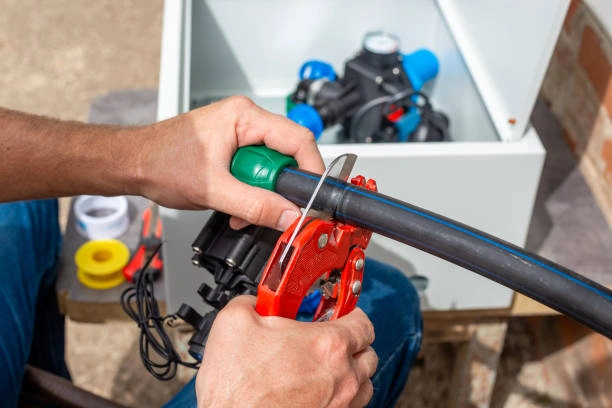
High-Density Polyethylene (HDPE) pipes are widely used in many industries because of their strength, flexibility, and durability. However, understanding HDPE pipe specs, especially pressure ratings and SDR, can be confusing for beginners. In this article, we will break down these important terms and explain how they affect pipe performance and selection.
What is SDR in HDPE Pipes?
SDR stands for Standard Dimension Ratio. It is a key specification that compares the pipe’s outer diameter to its wall thickness. Specifically, SDR is the ratio of the pipe diameter divided by the wall thickness.
For example, an SDR of 11 means the pipe diameter is 11 times larger than the wall thickness. A smaller SDR number indicates a thicker wall, which usually means the pipe can handle higher pressure. On the other hand, a larger SDR means a thinner wall and lower pressure capacity.
In simple terms, HDPE pipe specs help you understand how strong or thick an HDPE pipe is. Knowing this helps you pick the right pipe for your project’s pressure needs.
What Are Pressure Ratings?
Pressure rating refers to the maximum pressure the pipe can safely withstand during operation. It is often expressed in pounds per square inch (psi) or bars. The pressure rating depends heavily on the pipe’s material, wall thickness (SDR), and operating temperature.
For instance, a pipe with a lower SDR (thicker walls) typically has a higher pressure rating because it can resist more force inside. Conversely, a pipe with a higher SDR (thinner walls) will have a lower pressure rating.
Why Are SDR and Pressure Ratings Important?
Choosing an HDPE pipe without considering SDR and pressure ratings can lead to serious problems, such as leaks, bursts, or system failures. For example, using a pipe with an SDR too high for your pressure needs means the pipe walls might be too thin to handle the stress. This situation risks pipe failure and costly repairs.
On the other hand, selecting a pipe with a much lower SDR than necessary can increase project costs unnecessarily because thicker pipes usually cost more. Therefore, matching HDPE pipe specs like SDR and pressure rating with your application is key to both safety and cost-efficiency.
How to Choose the Right HDPE Pipe?
First, consider the pressure your system will experience, including normal operating pressure and potential pressure surges. Next, check the SDR values available for your pipe size and the corresponding pressure ratings.
For example, if your system requires a pressure rating of 160 psi, you would select an HDPE pipe with an SDR and wall thickness that meets or exceeds this rating. Manufacturers often provide pressure rating charts to help with this choice.
Additionally, remember that temperature affects pressure ratings. At higher temperatures, the pipe’s ability to handle pressure decreases. Therefore, for hot water or industrial applications, you might need a pipe with a thicker wall (lower SDR) or a special grade of HDPE.
Other Specifications to Consider
While SDR and pressure ratings are critical, other specs also matter, such as:
- Pipe Diameter: The size affects flow capacity and compatibility with fittings.
- Material Grade: HDPE comes in different grades, influencing chemical resistance and strength.
- Certification and Standards: Ensure pipes meet relevant quality and safety standards for your region or industry.
Summary
In conclusion, SDR and pressure ratings are fundamental specs for understanding HDPE pipe performance. SDR tells you about the pipe’s wall thickness relative to diameter, while pressure rating shows the maximum safe pressure. Together, they guide you to choose the right pipe for your specific needs.
By carefully considering these factors, you ensure your piping system is safe, efficient, and cost-effective. Always consult manufacturers’ charts and experts if you’re unsure. With this knowledge, working with HDPE pipe specs becomes simpler and more confident.
IFAN International Standards
To meet global quality demands, IFAN HDPE pipes follow a wide range of international standards, such as ASTM D3035, ISO 4427, EN 12201, and GB/T 13663. These standards define the pipe’s strength, durability, and safety. Moreover, IFAN complies with DIN 8074/8075, AS/NZS 4130, JIS K6760, BS 6572, and CSA B137.1, making their products suitable for water, gas, and industrial systems worldwide. Because IFAN meets all these trusted certifications, users can confidently choose IFAN for reliable performance in any environment.
Connect
IFAN is a Chinese manufacturer of plastic pipes, fittings and valves with 30 years of experience. If you are interest in IFAN copper fittings, copper valves, plastic pipes and fittings, please contact us. IFAN offers you a variety of standard pipes to meet your specific needs. Click below to learn more about IFAN’s wide range of affordable and cost-effective valve products and piping system related products.
We will reply your email or fax within 24 hours.
You can call us at any time if there is any question on our production.
For more information,pls visit our webside https://www.waterpipefactory.com/
Pls Mailto: [email protected]
Whatsapp: + 86 152 1588 7738