
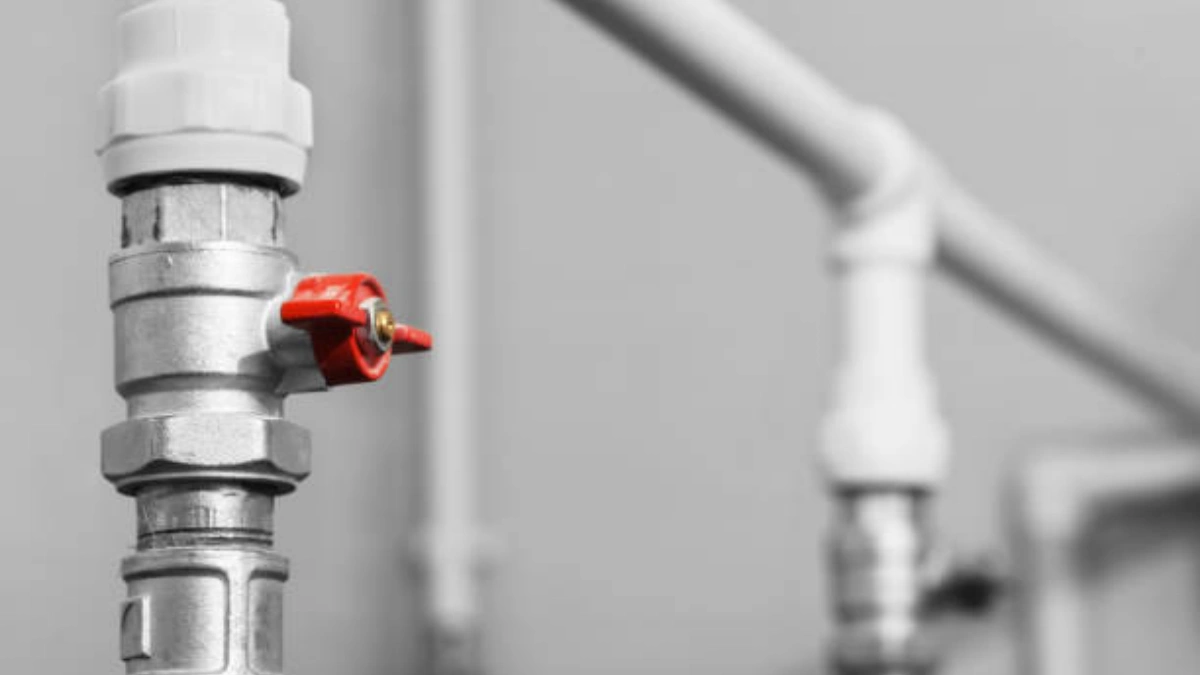
Hydraulic Control Valves in Industrial Machinery
Hydraulic control valves regulate fluid flow in industrial machinery, ensuring precise movement and operational efficiency. These valves direct hydraulic fluid to actuators, enabling machines to perform complex tasks. Choosing the right valve depends on factors such as flow rate, pressure, and system requirements. Proper valve selection enhances performance, reduces energy consumption, and extends equipment lifespan. Engineers must understand different valve types and their applications to optimize industrial operations. Without suitable hydraulic valves, machinery may experience inefficiencies, leading to increased operational costs and frequent breakdowns.
Types of Hydraulic Control Valves
Various hydraulic control valves serve different functions in industrial machinery. Directional control valves manage the flow path of hydraulic fluid, allowing actuators to move in specific directions. Pressure control valves regulate system pressure, preventing excessive force that could damage components. Flow control valves adjust fluid speed, ensuring smooth and precise operation. Proportional valves provide fine-tuned control, improving performance in automated systems. Selecting the appropriate valve type ensures machinery operates efficiently and reliably. In industries such as automotive manufacturing, hydraulic systems rely on a combination of these valves to ensure seamless operation. Failing to use the right valve type can cause performance issues, reducing output and increasing downtime.
Optimizing Performance with Proper Valve Selection
Selecting the right hydraulic control valve optimizes system performance and minimizes operational issues. Engineers must consider factors such as pressure ratings, flow capacity, and environmental conditions. For instance, heavy-duty machinery requires high-pressure valves to withstand extreme loads. In contrast, precision equipment benefits from proportional valves that enable accurate control. Evaluating system needs ensures compatibility and enhances efficiency. Using the correct valve reduces wear and tear, lowering maintenance costs and downtime. For example, hydraulic presses used in metalworking require valves that can handle rapid pressure changes without compromising safety. By choosing valves that match the application, industries can enhance productivity while reducing risks associated with hydraulic failures.
Preventing Hydraulic System Failures
Hydraulic system failures often result from improper valve selection or maintenance. Contaminants, leaks, and pressure fluctuations cause operational inefficiencies and potential breakdowns. Installing filtration systems prevents debris from damaging valves. Regular inspections detect leaks and wear, ensuring consistent performance. For example, construction equipment operating in harsh environments requires durable valves resistant to contamination. Addressing potential issues before they escalate improves reliability and extends equipment longevity. In hydraulic lifting systems, malfunctioning valves can lead to serious accidents or load-handling failures. Preventive maintenance, such as routine pressure checks and fluid quality assessments, helps identify potential problems before they disrupt operations. Investing in high-quality hydraulic valves minimizes these risks and supports long-term equipment performance.
Energy Efficiency and Cost Reduction
Efficient hydraulic control valves contribute to energy savings and cost reduction. Properly sized valves prevent excessive fluid resistance, reducing energy consumption. Variable displacement pumps combined with proportional valves optimize fluid flow, minimizing wasted energy. In manufacturing, energy-efficient valves lower production costs while maintaining high performance. Investing in advanced valve technology reduces operational expenses and improves sustainability. Industries benefit from selecting valves that balance performance, efficiency, and durability. For example, hydraulic forklifts used in warehouses rely on energy-efficient valves to ensure smooth lifting operations while reducing fuel consumption. Additionally, smart hydraulic systems with electronic valve control enhance automation and precision, further improving efficiency. Industries focused on sustainability should prioritize valves designed for minimal fluid loss and optimized energy usage.
Advancements in Hydraulic Valve Technology
Modern hydraulic valve technology has evolved to meet the increasing demands of industrial automation and efficiency. Smart hydraulic valves equipped with sensors and electronic controls enhance precision and reliability. These valves enable real-time monitoring, allowing engineers to adjust flow and pressure based on operational needs. Advanced materials, such as corrosion-resistant alloys, extend valve lifespan and improve durability in extreme conditions. Wireless communication in hydraulic systems further enhances remote diagnostics and control, reducing the need for manual intervention. Industries integrating smart hydraulic valves benefit from increased efficiency, reduced downtime, and improved safety. Innovations in hydraulic technology continue to push the boundaries of automation, making industrial machinery more responsive and adaptable to changing operational requirements.
Installation and Maintenance Best Practices
Proper installation and maintenance ensure hydraulic control valves function effectively. Engineers should follow manufacturer guidelines for valve placement and system integration. Routine maintenance includes checking seals, lubricating components, and monitoring pressure levels. In industrial automation, regular valve calibration ensures accurate performance. For instance, robotic arms rely on precise valve control for smooth operation. Implementing a preventive maintenance schedule minimizes downtime and enhances machinery reliability. In mining and drilling applications, hydraulic systems endure extreme conditions, making proper installation and routine inspections essential. Valves should be tested regularly to ensure they respond accurately to control inputs. Proper alignment of hydraulic components during installation also prevents premature wear and enhances overall system performance.
Conclusion
Hydraulic control valves play a crucial role in industrial machinery, regulating fluid flow to optimize performance. Understanding different valve types, selecting appropriate components, and maintaining system integrity enhance efficiency and reliability. Engineers must evaluate operational requirements, prevent failures, and adopt energy-efficient solutions. By implementing best practices, industries improve productivity, reduce costs, and extend equipment lifespan. Choosing the right hydraulic control valve ensures seamless industrial operations and long-term success. Effective hydraulic valve management not only improves system performance but also enhances workplace safety and sustainability. With advancements in hydraulic technology, industries have access to smart valve solutions that further enhance automation, efficiency, and cost-effectiveness.
IFAN Products international standards
IFAN products strictly adhere to a comprehensive range of international standards, encompassing ISO 15874, EN 15874, ASTM F2389, DIN 8077/8078, GB/T 18742, NBR 15884, ISO 15494, EN ISO 15494, GB/T 19472, NBR 15494, ASTM 2846 (501), DIN 8079/8080 (502), ASTM F441/F441M SCH80 (503), DIN (504), DIN (505), GB/T 18993, AS/NZS 1477, CSA B137.6, NSF/ANSI 14, TIS 17-2532/1131-2535, BS 3505, BS 4346 (801), ASTM D1785 SCH40 (802), ASTM D1785 SCH80 (803), DIN (804), GB (805), GB (806), GB(901), DWV(902), ASTM D2665 (903), along with ASTM D2241, D2665, D2729, and F441/F441M series, ISO 1452, EN ISO 1452, DIN 8061/8062, GB/T 10002, AS/NZS 1477, JIS K6741, CSA B137.3, and other national and industry norms.
Connect
IFAN is a Chinese manufacturer of plastic pipes, fittings and valves with 30 years of experience. If you are interest in IFAN copper fittings, copper valves, plastic pipes and fittings, please contact us. IFAN offers you a variety of standard pipes to meet your specific needs. Click below to learn more about IFAN’s wide range of affordable and cost-effective valve products and piping system related products.
We will reply your email or fax within 24 hours.
You can call us at any time if there is any question on our production.
For more information,pls visit our webside https://www.waterpipefactory.com/
Pls Mailto: [email protected]
Whatsapp: + 86 152 1588 7738