
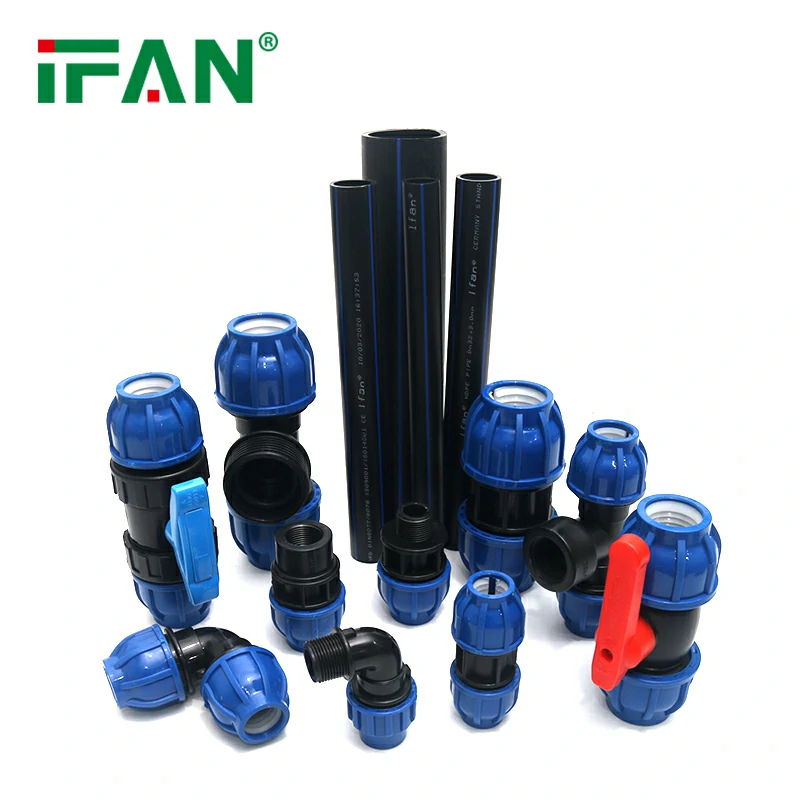
IFAN HDPE pipes are a popular choice in various industries due to their excellent properties and versatile applications. Known for their high strength-to-density ratio, HDPE pipes are widely used in water supply, gas distribution, sewage, and chemical transportation. Their durability, resistance to corrosion, and flexibility make them suitable for a wide range of environmental conditions.
Material Composition and Properties
HDPE is a thermoplastic polymer made from petroleum. The material’s molecular structure provides HDPE pipes with a high tensile strength, making them resistant to stress and pressure. The pipes are lightweight, yet strong, and have a smooth inner surface that reduces friction, enhancing flow efficiency. Additionally, HDPE is resistant to chemicals and UV radiation, making these pipes suitable for both indoor and outdoor applications.
Applications in Water Supply
One of the primary uses of HDPE pipes is in water supply systems. Their resistance to corrosion and chemicals ensures the safe and clean transportation of drinking water. HDPE pipes are flexible, which allows them to withstand ground movements, reducing the risk of leaks. This makes them ideal for installation in areas prone to earthquakes or soil shifts. Moreover, they are also used in irrigation systems due to their durability and long service life.
Use in Gas Distribution
HDPE pipes are extensively used in gas distribution networks due to their impermeability to gases and resistance to chemical reactions. They ensure a safe and efficient transportation of natural gas over long distances. HDPE pipes can withstand high pressures and temperatures, making them suitable for underground installations. Additionally, their flexibility reduces the risk of pipe bursts, ensuring a stable and reliable gas supply.
Sewage and Drainage Systems
HDPE pipes are also commonly used in sewage and drainage systems. Their smooth interior surface prevents the buildup of debris and reduces the risk of blockages. HDPE’s resistance to chemicals and corrosion makes these pipes ideal for transporting wastewater and other industrial liquids. The pipes are available in various sizes, making them suitable for both residential and commercial drainage systems.
Chemical Transportation
In the chemical industry, HDPE pipes are preferred for the transportation of various chemicals due to their high chemical resistance. They do not react with most acids, alkalis, or solvents, ensuring the safe movement of hazardous materials. HDPE pipes are also used in industrial applications where they need to handle aggressive substances without degrading. This makes them an essential component in chemical plants and refineries.
Environmental Benefits
HDPE pipe offer several environmental benefits. They have a long service life, reducing the need for frequent replacements. HDPE is also recyclable, which contributes to sustainability efforts by minimizing waste. The lightweight nature of HDPE pipe reduces transportation energy costs, making them an eco-friendly option for various applications. Additionally, their ability to withstand harsh environmental conditions reduces the risk of environmental contamination.
Installation and Maintenance
The installation of HDPE pipe is relatively straightforward due to their lightweight and flexible nature. They can be easily welded or fused, creating strong, leak-proof joints. Maintenance requirements for HDPE pipe are minimal, as they are resistant to corrosion, chemical reactions, and UV radiation. This durability translates into lower long-term costs and fewer disruptions during their operational lifespan, making HDPE pipe a cost-effective solution for infrastructure projects.
For more information,pls visit our webside https://www.waterpipefactory.com
Pls Mailto: [email protected]
Whatsapp: + 86 19857948982