
Structure
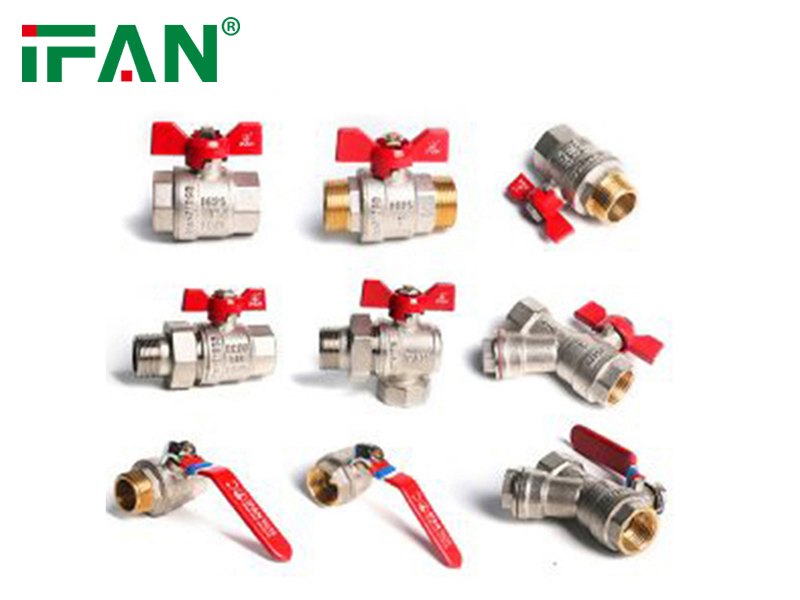
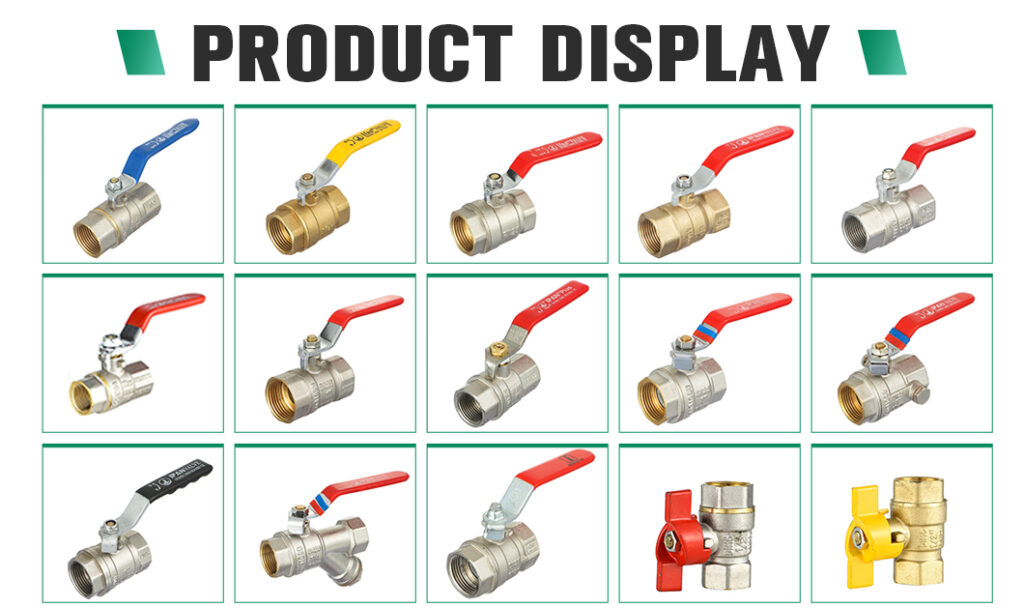
A brass ball valve is a type of valve that is commonly used in plumbing systems to control the flow of liquids or gases. It is made of brass, which is an alloy of copper and zinc. The brass ball valve consists of a spherical ball with a hole in the center, which is rotated by a lever or handle to control the flow of fluid through the valve. The ball is seated in a socket that is made of brass, stainless steel, or plastic. ::+,IFAN factory has 30+ years manufacture experience supporting color /size customization support Free Samples.
Material
The body of the brass ball valve is typically made of brass, which is a strong and durable material that is resistant to corrosion and wear. The ball itself is usually made of chrome-plated brass or stainless steel, which makes it resistant to rust and wear. The seals and gaskets in the valve are made of materials such as NBR, EPDM, or PTFE, which are all resistant to chemicals and heat.
Usage
Brass ball valves are versatile and can be used for a wide range of applications. They are commonly used in plumbing systems for controlling the flow of water, gas, and other fluids. They are also used in industrial settings, such as oil and gas pipelines, chemical plants, and refineries. Brass ball valves are popular because they are reliable, easy to use, and require minimal maintenance.
Installing a Brass Ball Valve
Installing a brass ball valve requires a few simple steps. With the right tools and preparation, both DIY enthusiasts and professional plumbers can handle the process with ease. Follow the steps below to ensure a secure and functional installation.
1. First, shut off the water supply
To begin, locate the main water valve or the valve that controls the target area. Then, turn it off completely to stop the water flow. This step prevents water damage and ensures a safe working environment.
2. Next, prepare the pipe
After shutting off the water, measure and cut the pipe to the required length. Use a deburring tool to remove sharp edges. Then, clean and dry the pipe thoroughly. These steps ensure a tight and leak-free connection between the pipe and the valve.
3. Then, attach the valve
Now, choose the appropriate connection method. For example, use soldering with copper pipes, compression fittings for easy setups, or threading if the pipe allows. Carefully attach the brass ball valve and tighten it using a wrench. Always ensure a snug fit to avoid leaks during operation.
4. Finally, test the valve
Once installed, turn the water supply back on. Observe the valve area and check for leaks or irregular flow. If everything works smoothly, the installation is complete and the system is ready for use.
Conclusion
In summary, the brass ball valve offers excellent performance, durability, and corrosion resistance. Its design features a rotating brass ball that controls the fluid flow with a lever or handle. As a result, it provides fast shut-off and precise control. You can use these valves in plumbing, gas lines, industrial systems, and more.
With simple tools and clear steps, anyone can install a brass ball valve successfully. For additional support or product information, feel free to contact IFAN. We are here to help you find the most suitable solution!