
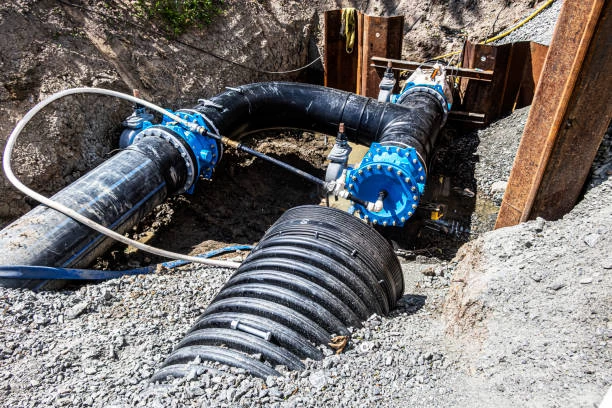
Polyethylene (PE) gas pipe fittings have revolutionized the way natural gas and other gases are transported in modern infrastructure. As an essential component of gas distribution systems, these fittings provide secure and durable connections between PE pipes, ensuring the safety and efficiency of gas transportation. Technological advancements in the design and production of PE gas pipe fittings have enhanced their performance, durability, and ease of installation. This article explores the technological innovations that make PE gas pipe fitting an indispensable choice in gas distribution systems.
The Role of PE Gas Pipe Fittings in Gas Distribution Systems
PE gas pipe fittings are integral to the smooth operation of gas distribution systems. They are designed to connect polyethylene pipes, which are widely used for transporting gases such as natural gas, propane, and butane. PE gas pipe fitting provide reliable, leak-proof connections that ensure the safe transport of gases under varying pressure levels. These fittings are crucial in maintaining the integrity of the entire gas network, from residential pipelines to large-scale industrial applications.
Advanced Material Technology: High-Performance Polyethylene
The development of advanced polyethylene materials has significantly improved the performance of PE gas pipe fitting. Modern PE fittings are made from high-density polyethylene (HDPE) or medium-density polyethylene (MDPE), which offer superior strength, flexibility, and resistance to external factors. HDPE, in particular, provides high resistance to corrosion, impact, and chemical exposure, making it ideal for long-term use in gas systems. The ability of these materials to withstand harsh environmental conditions, such as UV radiation and temperature fluctuations, enhances the overall longevity and reliability of the fittings.
Fusion Technology for Secure Joints
One of the key technological advancements in PE gas pipe fitting is the fusion welding process. This process involves heating the ends of PE pipes and fittings and then joining them to create a seamless, strong, and leak-proof connection. Heat fusion technology eliminates the need for mechanical joints, adhesives, or gaskets, reducing the chances of leaks over time. The result is a connection that is as strong as the pipe itself, capable of withstanding high pressures without risk of failure. This method ensures that PE fittings maintain their integrity under various stress conditions.
Resistance to Environmental Stress Cracking (ESC)
Environmental stress cracking (ESC) is a significant challenge in the production of plastic pipes and fittings. Over the years, advancements in PE pipe technology have led to the development of fittings that are highly resistant to ESC. This is achieved through modifications in the polymer structure, which enhance the material’s resistance to cracking when exposed to external stresses such as chemicals, temperature fluctuations, or mechanical forces. PE gas pipe fitting, particularly those made from PE100 material, offer excellent resistance to ESC, ensuring a longer lifespan and reduced risk of system failure in demanding applications.
Enhanced Pressure Tolerance and Safety
Technological improvements in the production of PE gas pipe fitting have also increased their ability to withstand high-pressure environments. PE fittings, especially those made from PE100, can tolerate pressures up to 10 bar or more, depending on the application. This makes them suitable for a wide range of gas systems, from low-pressure residential lines to high-pressure industrial pipelines. The ability to handle higher pressure levels without compromising safety ensures that PE gas pipe fittings play a critical role in modern gas distribution networks, where reliable and secure transportation is essential.
Cost-Effectiveness and Efficiency in Installation
Technological advancements have also made PE gas pipe fittings more cost-effective and efficient to install. The fusion welding process allows for faster installation compared to traditional metal fittings, reducing labor costs and installation time. Additionally, PE pipe fittings are lightweight, making them easier to handle and transport. These features streamline the overall installation process, resulting in lower operational costs and faster project completion times. Moreover, the durability of PE fittings reduces the need for frequent maintenance or replacements, providing long-term cost savings for gas network operators.
Sustainability and Environmental Impact
Another important technological consideration for PE gas pipe fittings is their environmental impact. Polyethylene is a recyclable material, and the production of PE gas pipe fittings has a lower environmental footprint compared to traditional materials like steel or cast iron. Innovations in the manufacturing process have also made PE fittings more energy-efficient to produce. As a result, using PE gas pipe fittings helps reduce the carbon footprint of gas distribution systems. Their long lifespan further contributes to sustainability, as fewer replacements are needed over time, reducing waste and resource consumption.
The Future of PE Gas Pipe Fittings
The future of PE gas pipe fittings is marked by continued technological advancements in materials, manufacturing processes, and design. As the demand for more sustainable, cost-effective, and reliable gas distribution systems grows, innovations in PE pipe fittings will likely focus on further improving performance, ease of installation, and environmental impact. Research into new polyethylene formulations and enhanced fusion techniques will continue to drive the development of even more durable, high-performance fittings. With these advancements, PE gas pipe fittings will remain a key component in the evolution of gas distribution systems, ensuring the safe, efficient, and sustainable transportation of gases worldwide.
In conclusion, technological innovations in PE gas pipe fittings have significantly improved their performance, safety, and efficiency. From advanced materials and fusion welding technology to increased pressure tolerance and resistance to environmental stress cracking, these fittings are integral to modern gas distribution systems. As technology continues to evolve, PE gas pipe fittings will continue to play a crucial role in ensuring the safe and reliable transportation of gases across various applications.
Conclusion
PE gas pipe fittings provide a reliable, safe, and cost-effective solution for transporting gas across various applications. Their versatility, ease of installation, and long-term durability make them an excellent choice for residential, commercial, and industrial gas systems. With their ability to handle high pressures and resist corrosion, PE fittings ensure the continuous and secure transport of natural gas, propane, and other gases. By choosing PE gas pipe fitting, users can enjoy a safer and more efficient gas distribution system while reducing environmental impact and maintenance costs.
Connect
IFAN is a Chinese manufacturer of plastic pipes, fittings and valves with 30 years of experience. If you are interest in IFAN copper fittings, copper valves, plastic pipes and fittings, please contact us. IFAN offers you a variety of standard pipes to meet your specific needs. Click below to learn more about IFAN’s wide range of affordable and cost-effective valve products and piping system related products.
We will reply your email or fax within 24 hours.
You can call us at any time if there is any question on our production.
For more information,pls visit our webside https://www.waterpipefactory.com/
Pls Mailto: [email protected]
Whatsapp: + 86 152 1588 7738