
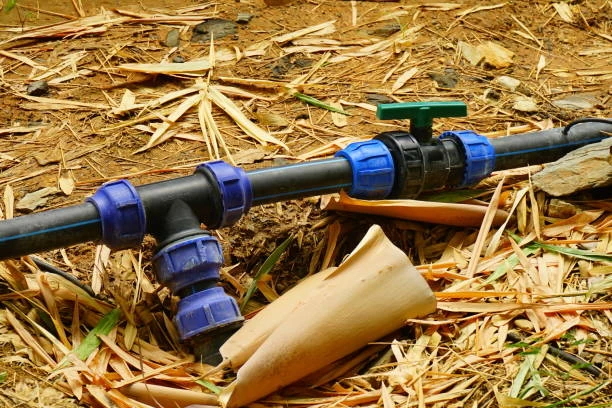
Polyethylene (PE) pipes have gained immense popularity in various industries due to their versatility, durability, and cost-effectiveness. These pipes are used in water distribution systems, gas pipelines, and even agricultural applications. While the term “PE pipe” is often used generically, it’s essential to recognize that there are several types of PE pipes, each with unique features designed for specific uses. In this article, we will explore the different types of PE pipes, their characteristics, and the advantages each offers for various applications.
Types of PE Pipes: A Variety of Options
PE pipes come in various grades and classifications, designed for specific applications. The two most common types are PE80 and PE100. The number represents the material’s pressure rating. PE100 pipes have a higher pressure tolerance and are typically used in more demanding applications, while PE80 pipes are suitable for less intensive use. Both types share similar physical properties, but PE100 pipes offer improved strength and longevity, making them ideal for high-pressure systems.
PE80 Pipe: Suitable for Lower Pressure Applications
PE80 pipes are commonly used for water distribution and irrigation systems where the pressure demands are moderate. These pipes are cost-effective and easy to handle, making them popular for residential and agricultural applications. PE80 pipes are also resistant to corrosion and offer good flexibility, which allows for easy installation in areas with difficult terrain. However, they are not suitable for high-pressure systems, as they may not withstand the additional strain over time.
PE100 Pipe: Ideal for High-Pressure Systems
PE100 pipes are engineered to handle higher pressures and are commonly used in industries that require reliable, long-lasting piping systems. These pipes are often used in gas distribution networks, potable water systems, and chemical plants. Their higher pressure tolerance ensures they can withstand extreme conditions without risk of failure. Additionally, PE100 pipes have better resistance to environmental stress cracking and UV degradation compared to PE80 pipes, making them more suitable for long-term use.
Material Properties: Durability and Flexibility
One of the main advantages of PE pipes, whether PE80 or PE100, is their remarkable durability and flexibility. These pipes are resistant to most chemicals, corrosion, and abrasive forces. Unlike metal pipes, PE pipes do not rust or corrode, ensuring a longer lifespan. Their flexibility allows for easier installation, even in challenging conditions. Additionally, PE pipe can be heat-fused together, creating seamless joints that further enhance their durability and leak resistance.
Applications of PE Pipes in Water and Gas Distribution
PE pipes are widely used in both water and gas distribution systems. For water supply, PE pipes are ideal for ensuring the delivery of potable water to homes, businesses, and industrial facilities. They are also used in irrigation systems, providing a reliable method for transporting water to agricultural fields. In gas distribution, PE100 pipes are used for transporting natural gas and other gaseous fuels safely and efficiently, even under high pressure.
Advantages of PE Pipes in Various Industries
PE pipes offer numerous advantages in a variety of industries. They are lightweight, which makes them easier to transport and handle compared to metal pipes. The flexibility of PE pipes allows them to be bent or curved, reducing the need for additional fittings and simplifying installation. Furthermore, PE pipe have excellent resistance to freezing, which makes them suitable for use in colder climates. Their smooth interior surface also reduces friction, enhancing the flow rate and efficiency of the system.
Environmental Impact: Recyclability and Sustainability
Another significant benefit of PE pipes is their positive environmental impact. Polyethylene is a recyclable material, and the production of PE pipes has a lower carbon footprint compared to other materials like PVC or steel. The long lifespan of PE pipe reduces the frequency of replacements, further contributing to sustainability. Additionally, their resistance to environmental stress means they require less maintenance, which leads to reduced waste and fewer resources being used over time.
Conclusion: Choosing the Right PE Pipe for Your Needs
Choosing the right type of PE pipe depends on the specific application and pressure requirements. While PE80 pipes are suitable for lower-pressure systems, PE100 pipes are better suited for high-pressure applications that demand durability and long-term reliability. Regardless of the type, PE pipes offer significant advantages in terms of durability, flexibility, and environmental sustainability. Whether used for water distribution, gas transmission, or industrial applications, PE pipes remain a top choice for modern piping systems due to their superior performance and cost-effectiveness.
Connect
IFAN is a Chinese manufacturer of plastic pipes, fittings and valves with 30 years of experience. If you are interest in IFAN copper fittings, copper valves, plastic pipes and fittings, please contact us. IFAN offers you a variety of standard pipes to meet your specific needs. Click below to learn more about IFAN’s wide range of affordable and cost-effective valve products and piping system related products.
We will reply your email or fax within 24 hours.
You can call us at any time if there is any question on our production.
For more information,pls visit our webside https://www.waterpipefactory.com/
Pls Mailto: [email protected]
Whatsapp: + 86 152 1588 7738