
When it comes to selecting the right piping system for your building, pex pipes,there are several options available. Two of the most popular choices are PEX Al PEX pipe and pre-insulated piping. Although they may seem like similar options, there are significant differences between them.
PEX Al PEX Pipes
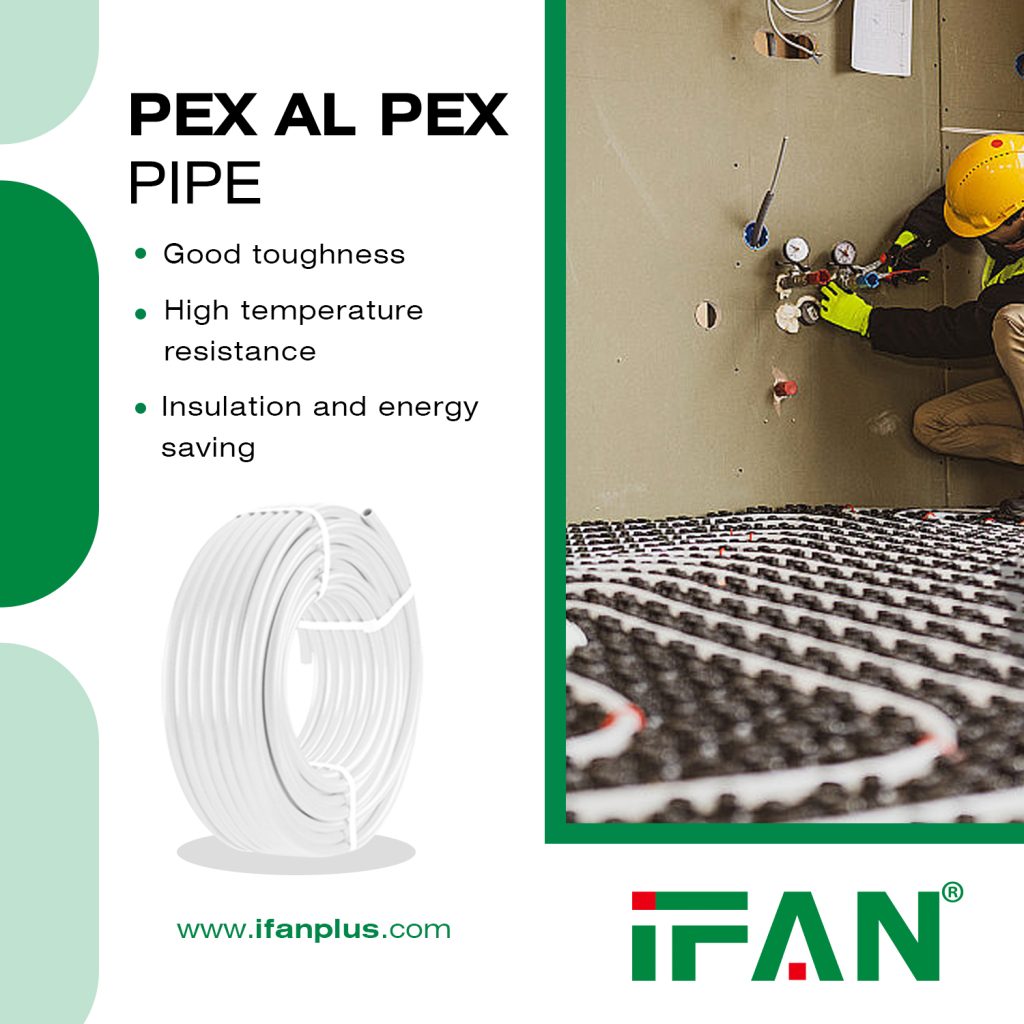
PEX Al PEX pipe is a cross-linked polyethylene (PEX) pipe that features an aluminum layer in the middle. The aluminum layer provides additional strength and prevents the pipe from shrinking or expanding based on temperature changes. This type of piping is typically used for hot water applications because of its resistance to high temperatures and pressures.
One major advantage of PEX Al PEX pipe is its flexibility. It can be bent into various shapes and sizes, which makes it easy to install in spaces where there isn’t much room to work. The aluminum layer also provides additional insulation, which helps to reduce heat loss and lower energy bills.
How Pre-insulated PEX Pipes Enhances Installation Speed
Pre-insulated PEX tubing significantly expedites the installation process through its innovative design and functional advantages. Here’s how:
- Extended Coil Lengths: With the availability of coil lengths stretching up to 100 feet, installers can cover ample distance without frequent joint connections. This reduction in connections translates to less time spent on labor and minimizes the potential for leaks or system failures.
- Integrated Insulation: Unlike traditional piping systems that require post-installation insulation, pre-insulated PEX comes ready for use. This feature eliminates the need for additional insulation steps, thereby streamlining the entire installation.
- Simplified Assembly: The combination of PEX tubing with pre-applied insulation cuts down time-consuming processes and reduces overall complexity. This efficiency not only accelerates installation but also enhances project timelines, allowing for quicker project completion.
Employing pre-insulated PEX tubing in your projects means enjoying a seamless installation experience, saving valuable time and labor resources.
Pre-Insulated Piping
Pre-insulated piping, also known as district heating piping, is a system that typically includes a carrier pipe, an insulation layer, and an outer jacket. These pipes are used for both hot and cold applications and are commonly found in district heating systems, where a large number of buildings are connected to a central heating plant.
The main advantage of pre-insulated piping is that it reduces heat loss and eliminates the need for additional insulation in the field. These pipes are also more durable and resistant to damage, since they feature a protective outer jacket that shields them from the elements.
How Flexible Coil Lengths Speed Up PEX Pipes Installation
Flexible coil lengths of pre-insulated PEX piping significantly accelerate the installation process in several ways:
- Reduced Connection Points: With options reaching up to 100 feet or more, extended coils minimize the need for frequent connections. This means installers can lay down longer sections without interruption, cutting down on the time spent connecting individual pipe segments.
- Ease of Handling: The flexibility of PEX allows for easy maneuverability around obstacles. This adaptability reduces the need for complicated routing or the use of additional fittings, streamlining the installation process.
- No Additional Insulation Required: Pre-insulated PEX piping eliminates the need for post-installation insulation. This means once the piping is laid, you don’t have to spend extra time insulating it, saving both time and labor costs.
- Simplified Inventory Management: With fewer pieces needed, managing the piping inventory is simplified. Installers can carry the necessary materials in fewer trips, further speeding up the overall installation process.
In essence, the extended, flexible coil lengths and the integrated insulation of PEX piping collaborate to create a more efficient, time-effective installation method, ensuring quicker project completion without sacrificing quality.
So, Which One Should You Choose?
Choosing between PEX Al PEX pipes and pre-insulated piping depends on your specific needs and the requirements of your building. If you’re looking for flexibility and ease of installation, PEX Al PEX pipe is a great choice. However, if you’re looking for a system that provides optimal insulation and durability, pre-insulated piping may be the better option.
Additionally, it’s important to consider the cost of both systems. PEX Al PEX pipes is typically less expensive than pre-insulated piping, making it a more budget-friendly option for some projects.
conclusion
PEX pipes,when it comes to selecting the best piping system for your building, it’s important to carefully consider your needs and the requirements of your project. Both PEX Al PEX pipe and pre-insulated piping can be great options, depending on your specific needs and budget. By understanding the differences between these systems, you can make an informed decision and ensure that your building is equipped with the best possible piping solution.
Contact
IFAN, with 30 years of experience, is a professional manufacturer dedicated to producing high-quality plastic fittings, connectors and valves. Our products include copper valves. PPR valves and various pipe fittings and connectors to meet the needs of different customers. Whatever your pipe or valve requirements. IFAN offers a variety of cost-effective products to support your project.
Here are our contact information:
WhatsApp: +86 19857948982
Email: [email protected]
View more:https://www.waterpipefactory.com/
How do long, flexible coils of pre-insulated PEX reduce the need for additionalconnections?
How Long, Flexible Coils of Pre-insulated PEX Minimize Additional Connections
Pre-insulated PEX piping offers a smart solution for efficient plumbing and heating installations. Here’s how it works:
- Extended Reach: The long coils of PEX allow for extended lengths to be installed without interruption. This means fewer connection points over large areas, reducing the potential for leaks and faults.
- Flexibility: These coils are incredibly flexible. They curve and maneuver around obstacles effortlessly. This adaptability means that installers don’t need to cut the pipe and add elbow joints, which are typical with more rigid piping systems.
- Simplified Installation: The reduced need for breakpoints not only speeds up installation but also simplifies it. Installers can lay the piping in continuous runs, cutting down on time and labor costs.
- Durability and Efficiency: With fewer joints and connections, the overall system is more durable. It decreases the chance of joint failures and enhances the thermal efficiency of the system, as joints are often points of energy loss.
The design of pre-insulated PEX coils optimizes building projects, providing a reliable and streamlined approach to piping systems.
How does pre-insulated PEX resist corrosion, pitting, and scaling?
Understanding the Anti-Corrosive Properties of Pre-Insulated PEX
When it comes to the robust durability of pre-insulated PEX (cross-linked polyethylene) pipes, several key features contribute to their ability to resist corrosion, pitting, and scaling. Let’s delve into these protective characteristics:
How Pre-Insulated PEX Fights Corrosion
- Chemical Resistance: Pre-insulated PEX boasts excellent resistance to a wide range of chemicals due to its non-metallic nature. This makes it naturally impervious to the corrosive elements often found in various water systems.
- Flexible Structure: Unlike metal pipes, PEX is not susceptible to oxidative damage. Its flexible structure allows it to absorb pressure changes without compromising integrity, preventing the formation of weak points that might corrode.
Preventing Pitting with Advanced Design
- Smooth Interior Surface: PEX pipes have a smooth internal surface that reduces turbulence and friction in the water flow. This design significantly minimizes the potential for localized wear or pitting commonly seen in metal pipes.
- Consistent Wall Thickness: The uniform thickness of PEX further enhances its durability by distributing pressure evenly across the pipe, reducing stress points that can lead to pitting.
Scaling Resistance Ensured by PEX Material Properties
- Non-Porous Composition: The non-porous characteristics of PEX prevent the accumulation of minerals and debris that could lead to scaling. This keeps the pipes efficient and low-maintenance over time.
- Heat Retention and Transfer: Pre-insulated PEX also aids in maintaining stable water temperatures, minimizing conditions that encourage scale build-up.
These combined properties make pre-insulated PEX an excellent choice for systems where longevity and reliability are critical, ensuring that the piping remains free from corrosion, pitting, and scaling throughout its lifespan.
What material properties make pre-insulated PEX lightweight and easy to
handle?
Understanding the Anti-Corrosive Properties of Pre-Insulated PEX
When it comes to the robust durability of pre-insulated PEX (cross-linked polyethylene) pipes, several key features contribute to their ability to resist corrosion, pitting, and scaling. Let’s delve into these protective characteristics:
How Pre-Insulated PEX Fights Corrosion
- Chemical Resistance: Pre-insulated PEX boasts excellent resistance to a wide range of chemicals due to its non-metallic nature. This makes it naturally impervious to the corrosive elements often found in various water systems.
- Flexible Structure: Unlike metal pipes, PEX is not susceptible to oxidative damage. Its flexible structure allows it to absorb pressure changes without compromising integrity, preventing the formation of weak points that might corrode.
Preventing Pitting with Advanced Design
- Smooth Interior Surface: PEX pipes have a smooth internal surface that reduces turbulence and friction in the water flow. This design significantly minimizes the potential for localized wear or pitting commonly seen in metal pipes.
- Consistent Wall Thickness: The uniform thickness of PEX further enhances its durability by distributing pressure evenly across the pipe, reducing stress points that can lead to pitting.
Scaling Resistance Ensured by PEX Material Properties
- Non-Porous Composition: The non-porous characteristics of PEX prevent the accumulation of minerals and debris that could lead to scaling. This keeps the pipes efficient and low-maintenance over time.
- Heat Retention and Transfer: Pre-insulated PEX also aids in maintaining stable water temperatures, minimizing conditions that encourage scale build-up.
These combined properties make pre-insulated PEX an excellent choice for systems where longevity and reliability are critical, ensuring that the piping remains free from corrosion, pitting, and scaling throughout its lifespan.
What material properties make pre-insulated PEX lightweight and easy to
handle?
Understanding the Lightweight Nature of Pre-insulated PEX
Pre-insulated PEX (cross-linked polyethylene) is renowned for its lightweight and easy handling, making it a popular choice in plumbing and heating systems. But what are the material properties that contribute to these characteristics?
1. Cross-linked Polyethylene (PEX):
- Flexibility: PEX’s inherent flexibility reduces the need for heavy metal support brackets, contributing to its overall lightweight nature.
- Density: It has a lower density compared to traditional materials like copper, which significantly reduces its weight.
2. Insulating Foam:
- Low-Density Foam: The insulation around PEX often uses low-density foam, such as expanded polyurethane or polyethylene foam, which adds minimal weight while providing excellent thermal resistance.
- Composition: The foam’s cellular structure is filled with air rather than denser materials, keeping the assembly lightweight.
3. Protective Outer Layer:
- Materials Used: This layer is often made from durable yet light materials like polyethylene or polypropylene, which are robust enough to protect the system without adding bulk.
4. Corporate Engineering:
- Manufacturing Innovations: Techniques used during the extrusion and insulation process minimize material use without compromising strength, enhancing portability.
By combining advanced polymer technology with clever engineering, pre-insulated PEX balances durability, insulation, and weight, making it an easy-to-handle solution for various installations.
How does pre-insulated PEX contribute to meeting energy-code requirements?
Pre-insulated PEX tubing is a game-changer when it comes to meeting stringent energy-code specifications. Here’s how it contributes to compliance and efficiency:
Exceptional Thermal Efficiency
- Reduced Heat Loss: The insulation surrounding the PEX piping minimizes thermal loss, ensuring that hot water reaches its destination without significant temperature drops. This efficiency is crucial for aligning with energy codes focused on reducing energy usage.
- Consistent Temperature Control: By maintaining consistent temperatures within the system, pre-insulated PEX supports more efficient energy use, directly impacting compliance with energy performance standards.
Simplified Installation Process
- Ease of Integration: Pre-insulated PEX is designed for quick and straightforward installation, reducing labor time and costs. This simplicity helps in aligning with energy codes that emphasize efficient use of resources.
Durability and Longevity
- Minimized Maintenance Needs: The robust construction of pre-insulated PEX means fewer repairs and replacements, contributing to sustainable building practices required by many energy codes.
Eco-Friendly Materials
- Environmentally Responsible Production: The materials used in pre-insulated PEX are often recyclable and produced with lower environmental impact. This aligns closely with modern energy codes that prioritize eco-friendly building materials.
With these benefits, pre-insulated PEX not only meets but also enhances adherence to energy codes, making it a smart choice for both builders and homeowners looking to optimize their energy consumption.
What cost advantages does pre-insulated PEX offer for job bidding?
Cost Advantages of Pre-Insulated PEX for Job Bidding
When it comes to job bidding in the construction and plumbing industries, controlling costs is a critical factor for success. Pre-insulated PEX (cross-linked polyethylene) offers several financial advantages that make it an appealing choice for projects:
1. Predictable Material Costs
Pre-insulated PEX keeps your material costs stable. Unlike some traditional materials that can fluctuate in price due to market demands and supply chain disruptions, PEX provides consistency. This predictability allows you to bid more accurately and confidently, knowing your material expenses won’t suddenly spike.
2. Reduced Labor Costs
Installation of pre-insulated PEX is typically quicker and less labor-intensive compared to alternatives like copper or traditional steel pipes. The flexibility and lightweight nature of PEX mean less time spent on fittings and adjustments, leading to significant labor cost savings. Faster installation can also translate to shorter project timelines, a critical factor in competitive bidding.
3. Lower Maintenance Expenses
Pre-insulated PEX offers excellent resistance to corrosion and scale buildup, which reduces maintenance needs over time. This longevity and durability decrease the likelihood of costly repairs and replacements, an attractive prospect for clients concerned about long-term expenses. When you highlight these savings in your bid, it differentiates your proposal with clear financial benefits.
4. Energy Efficiency
The insulation integral to pre-insulated PEX enhances energy efficiency by minimizing heat loss during fluid transportation. This energy conservation can result in lower utility costs for end-users—another selling point that can make your bid more appealing, especially for projects prioritizing sustainability and energy savings.
5. Fewer Additional Costs
Since pre-insulated PEX often comes with fewer requirements for things like additional insulation or extensive supports, your overall project costs remain lower. These reduced auxiliary expenses contribute to a more competitive bidding process by allowing you to keep overheads in check.
Incorporating these cost advantages into your job bids can significantly enhance your competitive edge, ensuring that your proposal not only presents upfront savings but also highlights ongoing and sustainable value.
What pipe sizes and insulation thicknesses are available for pre-insulated PEX
in domestic water applications?
When it comes to domestic water applications, pre-insulated PEX solutions are available in pipe sizes reaching up to 1¼ inches. These systems can accommodate insulation thicknesses up to 1 inch. This configuration is designed to improve both installation efficiency and system performance, making it an excellent choice for a range of residential water projects.
What pipe sizes and insulation thicknesses are available for pre-insulated PEXin hydronic heating and cooling?
For those involved in hydronic heating and cooling projects, you can find pre-insulated PEX options designed for optimal performance. These products accommodate pipe sizes up to 1½ inches, paired with insulation up to 1½ inches thick. This combination ensures efficient installation and enhances the overall system effectiveness.
What are the benefits of using pre-insulated PEX for installations?
The main advantage of pre-insulated piping is that it reduces heat loss and eliminates the need for additional insulation in the field. These pipes are also more durable and resistant to damage, since they feature a protective outer jacket that shields them from the elements.
In addition to these benefits, pre-insulated PEX offers several practical advantages for installations:
- Efficient Installations: The design facilitates faster installations with a straightforward, one-step process that saves valuable time on the job site.
- Cost Management: By maintaining stable material costs, pre-insulated PEX allows for more accurate job bidding, helping to keep projects within budget.
- Ease of Handling: Available in long, flexible coils, this piping system reduces the need for additional connections, streamlining the installation process and minimizing potential leak points.
- Lightweight Design: The lightweight nature of this piping makes it easy to transport and maneuver, further enhancing installation efficiency.
- Long-Term Durability: Resistant to corrosion, pitting, and scaling, pre-insulated PEX ensures long-lasting performance and reduced maintenance over time.
By combining energy efficiency with these practical benefits, pre-insulated PEX stands out as a smart choice for modern piping solutions.
What are the energy efficiency benefits of using pre-insulated PEX forhydronic heating and cooling applications?
Pre-insulated piping, also known as district heating piping, is a system that typically includes a carrier pipe, an insulation layer, and an outer jacket. These pipes are used for both hot and cold applications and are commonly found in district heating systems, where a large number of buildings are connected to a central heating plant. The main advantage of pre-insulated piping is that it reduces heat loss and eliminates the need for additional insulation in the field.
Energy Efficiency in Hydronic Systems
When it comes to hydronic heating and cooling applications, pre-insulated PEX piping offers significant energy efficiency benefits. Available in various pipe sizes and insulation thickness options, these systems can be tailored to specific project needs, ensuring optimal thermal performance.
- Enhanced System Performance: Pre-insulated PEX is designed to improve overall system performance by minimizing heat loss and maximizing thermal retention. This results in more efficient heating or cooling, reducing energy consumption and operational costs.
- Installation Efficiencies: The design of pre-insulated PEX allows for quicker and more efficient installations. This not only lowers labor costs but also minimizes potential energy waste during the installation process.
Pre-insulated PEX piping solutions are an excellent choice for projects that prioritize energy efficiency and streamlined installation, making them a valuable component in modern hydronic systems.