
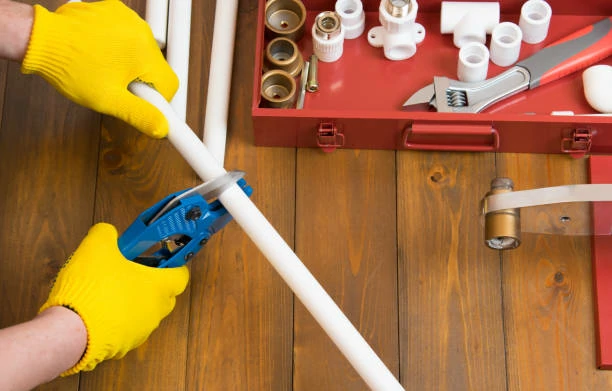
Introduction to Plastic PVC
Plastic PVC, or polyvinyl chloride, is one of the most widely used synthetic plastics due to its unique combination of durability, versatility, and cost-effectiveness. People use PVC for a wide range of applications, from construction materials and medical devices to automotive parts and household items. Its ability to be molded into various shapes, along with its resistance to wear, chemicals, and weather, makes PVC an ideal material for both industrial and consumer needs.
Durability and Longevity
PVC stands out for its exceptional durability and long lifespan. Unlike other plastics, PVC resists environmental factors such as UV rays, extreme temperatures, and chemicals. These properties make it ideal for both indoor and outdoor applications, including piping systems, flooring, and construction materials. The longevity of PVC products ensures reliable performance over time, with fewer replacements needed. This durability translates to lower long-term costs, making PVC an excellent value for both businesses and consumers.
Lightweight and Easy to Handle
PVC is a lightweight material, which makes it easier to transport, handle, and install compared to heavier materials such as metal or concrete. The lightweight nature reduces transportation costs and simplifies the installation process. In the construction industry, PVC pipes are much lighter than metal pipes, allowing workers to move and install them more efficiently. PVC’s ease of handling also minimizes labor costs during projects, making it a more efficient and affordable option overall.
Cost-Effectiveness
PVC remains affordable compared to many other materials, which contributes to its widespread use. PVC’s production costs are lower, making it an economical option for a variety of applications. Its durability ensures that PVC products last longer and need fewer replacements, offering significant savings in the long term. Whether used for plumbing, flooring, or packaging, PVC provides a reliable, long-lasting solution at a lower price point than other alternatives. This cost-effectiveness has helped PVC maintain its position as a top choice for a variety of industries.
Versatility in Applications
Plastic PVC is highly versatile and can serve many different purposes across industries. In construction, it is commonly used for plumbing pipes, window profiles, and flooring materials. In the medical industry, PVC is used for IV tubing, blood bags, and surgical instruments due to its biocompatibility and flexibility. The automotive industry also relies on PVC for interior components, seals, and insulation. PVC’s versatility allows it to meet the demands of numerous sectors, making it one of the most adaptable materials available.
Resistance to Chemicals and Weathering
PVC resists many chemicals, which makes it suitable for applications where exposure to harsh substances is common. In industrial pipelines, laboratory equipment, and medical devices, PVC handles chemical exposure without degrading. Its resistance to weathering makes PVC perfect for outdoor applications such as roofing, fencing, and siding. PVC’s ability to endure UV rays, rain, and extreme temperatures ensures that products made from it retain their strength and appearance over many years, even in challenging environments.
Environmental Benefits
As sustainability becomes a priority, PVC offers several environmental advantages. PVC is recyclable, meaning manufacturers can repurpose old pipes and products instead of sending them to landfills. The production of PVC also requires less energy than other materials like metal or glass, reducing its overall carbon footprint. Additionally, the long lifespan of PVC products reduces the need for frequent replacements, minimizing waste over time. With ongoing advancements in recycling technologies, PVC continues to become more eco-friendly.
Conclusion
Plastic PVC is a lightweight, durable, and cost-effective material that offers numerous benefits for a wide range of applications. Its durability, resistance to chemicals, and versatility make it an ideal choice for industries such as construction, healthcare, and automotive. The low production costs and long lifespan of PVC products make them an attractive option for both businesses and consumers. With its environmental benefits and adaptability, PVC remains a valuable material for the future.
IFAN Global Standards
IFAN PVC pipes meet various international standards, ensuring high quality and reliability. ASTM 2846 and DIN 8079/8080 define pressure and material requirements. ASTM F441/F441M SCH80 and GB/T 18993 set specifications for industrial applications. AS/NZS 1477 and CSA B137.6 cover plumbing and drainage performance. NSF/ANSI 14 guarantees safety for potable water use. TIS 17-2532/1131-2535, BS 3505, and BS 4346 regulate construction and durability. ASTM D1785 SCH40/SCH80 and GB standards specify thickness and strength. DWV and ASTM D2665 address drainage and vent systems. ASTM D2241, ASTM D2729, and ISO 1452 provide pressure and dimension guidelines. EN ISO 1452, DIN 8061/8062, and GB/T 10002 ensure global compliance. JIS K6741 and CSA B137.3 define additional quality requirements.
Connect
IFAN is a Chinese manufacturer of plastic pipes, fittings and valves with 30 years of experience. If you are interest in IFAN copper fittings, copper valves, plastic pipes and fittings, please contact us. IFAN offers you a variety of standard pipes to meet your specific needs. Click below to learn more about IFAN’s wide range of affordable and cost-effective valve products and piping system related products.
We will reply your email or fax within 24 hours.
You can call us at any time if there is any question on our production.
For more information,pls visit our webside https://www.waterpipefactory.com/
Pls Mailto: [email protected]
Whatsapp: + 86 152 1588 7738