
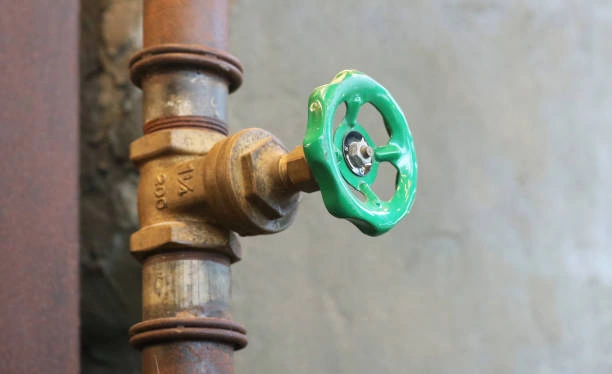
Introduction to PPR Valves
Polypropylene Random Copolymer (PPR) valves are critical components in modern plumbing and water systems. Designed specifically to work with PPR pipes, these valves regulate the flow of water, allowing users to control pressure, temperature, and volume effectively. Thanks to their robust construction and chemical resistance, PPR valves are widely used in residential, commercial, and industrial settings. They play a key role in maintaining system integrity, preventing leaks, and ensuring safe water distribution.
Types of PPR Valves and Their Functions
PPR valves come in various types, each suited for different control needs:
- Ball Valves: These are the most common PPR valves. Featuring a spherical closure element, ball valves offer quick, reliable shut-off. They operate with a simple quarter-turn handle, making them user-friendly and efficient for isolating water flow in any section of the system.
- Gate Valves: These valves use a gate or wedge mechanism to block or allow flow. Gate valves are best for applications requiring the valve to be either fully open or fully closed, avoiding flow throttling. They are often used in larger pipeline systems.
- Check Valves: Also called non-return valves, check valves prevent backflow. This is crucial in protecting pumps, boilers, and other system components from pressure surges or reverse flow, which can cause damage.
- Globe Valves: Known for precise flow control, globe valves adjust flow rates gradually. They are typically used in applications that require throttling, such as regulating water temperature or flow in heating systems.
Each valve type is manufactured to match PPR piping standards and can be connected via socket fusion welding to guarantee leak-proof joints.
Key Applications of PPR Valves
PPR valves are versatile and find applications across multiple domains:
- Residential Plumbing: Used to control water flow to bathrooms, kitchens, washing machines, and irrigation setups. Their non-toxic nature makes them ideal for potable water systems.
- Commercial Buildings: Control water supply lines in offices, hotels, hospitals, and shopping centers, ensuring efficient water management.
- Industrial Systems: Used in cooling towers, chemical plants, and food processing industries due to their chemical resistance and temperature tolerance.
- Heating and Cooling Systems: PPR valves regulate the flow of heated water in radiant floor heating or chilled water systems, maintaining desired temperatures and pressure balance.
- Medical and Food Industry: Because PPR material is inert and safe, valves in these industries help meet hygiene and safety standards.
Advantages of Using PPR Valves
- Durability and Longevity: PPR valves resist corrosion, scaling, and chemical damage, which commonly affect metal valves. This means fewer replacements and lower maintenance costs.
- Thermal and Pressure Resistance: Suitable for hot water systems with temperatures up to 95°C (203°F) and pressures up to 20 bar (290 psi).
- Leak-Proof Connections: Fusion welding techniques create seamless joints between PPR pipes and valves, drastically reducing leak risks.
- Non-Toxic and Safe: PPR valves do not release harmful substances, ensuring safe drinking water and compliance with health regulations.
- Ease of Installation and Maintenance: Lightweight and compatible with common plumbing tools, PPR valves simplify installation and repairs.
- Cost Efficiency: Despite a higher upfront cost compared to some plastic valves, their longevity and performance reduce long-term expenses.
Installation Guidelines for PPR Valves
Correct installation is crucial to maximize valve performance and lifespan:
- Preparation: Cut pipes cleanly and squarely. Remove any dirt or grease from the pipe ends and valve sockets.
- Heating: Use a PPR welding machine set to the manufacturer’s recommended temperature (usually around 260°C). Heat the pipe ends and valve sockets evenly to ensure proper fusion.
- Joining: Insert the pipe into the valve socket swiftly but steadily, holding it in place for a few seconds to allow the joint to set.
- Cooling: Let the connection cool naturally without movement to prevent joint weaknesses.
- Testing: Once installation is complete, pressure test the system to detect any leaks or weak points.
Common Issues and Troubleshooting
- Leaks: Often caused by improper welding, misalignment, or dirty surfaces. Recheck welding temperature and surface cleanliness.
- Valve Sticking: Can occur if valves are left unused for long periods. Periodic operation helps prevent this.
- Cracking or Damage: Avoid mechanical shocks and exposure to UV rays, which can degrade PPR materials.
Maintenance Tips
Routine inspection is important for system longevity:
- Check valve operation regularly.
- Inspect for visible signs of wear or leakage.
- Clean any debris around valve handles.
- Replace any valve that shows signs of damage or excessive wear.
Environmental and Safety Benefits
PPR valves contribute to sustainability by reducing water wastage and minimizing the need for replacement parts. Their inert material does not leach chemicals, making them safe for drinking water and environmentally friendly.
Conclusion
PPR valves are essential for controlling flow in modern water systems, combining durability, safety, and efficiency. Choosing the right valve type and ensuring proper installation are key to achieving a reliable plumbing system. For residential, commercial, or industrial use, PPR valves offer a long-lasting, cost-effective solution that meets the demands of today’s plumbing needs.
IFAN International Standards
IFAN’s PPR fittings and pipes strictly comply with major international and regional standards, guaranteeing top-quality performance and compatibility across global markets. These standards include:
- ISO 15874 – Specifies requirements for PPR piping systems used in hot and cold water installations.
- EN 15874 – The European standard equivalent to ISO 15874, widely recognized across the EU.
- ASTM F2389 – An American standard for pressure-rated PPR piping systems used in both residential and commercial water systems.
- DIN 8077/8078 – German norms that define dimensions and quality for PPR pipes, emphasizing durability and consistency.
- GB/T 18742 – The Chinese national standard for polypropylene piping systems, applicable in domestic and industrial settings.
- NBR 15884 – The Brazilian standard ensuring product quality for PPR systems used throughout South America.
By aligning with these certifications, IFAN delivers piping solutions that meet international demands for safety, efficiency, and longevity.
Connect
IFAN is a Chinese manufacturer of plastic pipes, fittings and valves with 30 years of experience. If you are interest in IFAN copper fittings, copper valves, plastic pipes and fittings, please contact us. IFAN offers you a variety of standard pipes to meet your specific needs. Click below to learn more about IFAN’s wide range of affordable and cost-effective valve products and piping system related products.
We will reply your email or fax within 24 hours.
You can call us at any time if there is any question on our production.
For more information,pls visit our webside https://www.waterpipefactory.com/
Pls Mailto: [email protected]
Whatsapp: + 86 152 1588 7738