
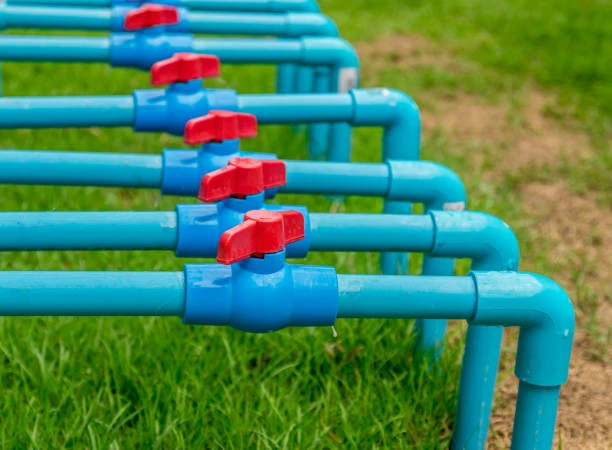
PVC ball valves have become a preferred solution for modern water systems because they combine corrosion resistance, durability, and cost-effectiveness. These valves are designed to handle a wide range of water applications, from residential plumbing to industrial operations. Choosing PVC ball valves not only ensures smooth water flow but also reduces long-term maintenance costs. This article explains the definition and features of PVC ball valves, their common uses, installation tips, buying guide, comparisons with other materials, and answers to frequently asked questions.
Frequently Asked Questions (FAQ)
1. What is a PVC ball valve?
A PVC ball valve is a type of valve made from polyvinyl chloride. It uses a spherical ball with a hole through the center to control water flow.
2. Why are PVC ball valves corrosion-resistant?
PVC is non-metallic and resistant to chemical reactions with water or salts, making it immune to rust and corrosion.
3. Can PVC ball valves handle hot water?
PVC ball valves are best suited for cold and moderate temperature water. For high-temperature systems, CPVC or metal valves are recommended.
4. Are PVC ball valves safe for drinking water?
Yes, many PVC ball valves are certified safe for potable water, provided they meet international standards such as NSF or ANSI.
5. How long do PVC ball valves last?
With proper use and maintenance, PVC ball valves can last more than 10 years, depending on system conditions.
Definition and Key Features of PVC Ball Valves
PVC ball valves are valves made from polyvinyl chloride, a lightweight but strong thermoplastic material. The valve contains a rotating ball inside that opens or blocks flow when the handle is turned. The smooth internal surface of PVC reduces friction and ensures efficient flow.
Key features include:
- Corrosion resistance: PVC does not rust, unlike metal valves.
- Lightweight design: Easy to transport, install, and operate.
- Durability: Resistant to scaling, deposits, and most chemicals.
- Affordability: Lower cost compared to metal valves.
- Easy operation: A simple quarter-turn handle controls the flow.
Because of these features, PVC ball valves are widely used in water systems requiring reliability and low maintenance.
Common Applications and Industries
PVC ball valves are used across multiple industries because of their versatility.
- Residential plumbing: They control water flow in household piping, garden irrigation, and water tanks.
- Agriculture: Farmers use PVC ball valves for irrigation systems, drip lines, and greenhouses.
- Industrial processes: Industries use them to manage non-corrosive fluids in chemical plants and factories.
- Aquaculture: Fish farms rely on PVC valves for water circulation systems.
- Swimming pools and spas: They are used to regulate pool filtration and cleaning systems.
The wide adoption of PVC ball valves shows their ability to meet both domestic and professional water system needs.
Buying Guide: What to Consider
When purchasing PVC ball valves, it is important to evaluate several factors to ensure long-term performance.
- Material quality: Look for high-grade PVC with pressure and temperature resistance.
- Size and connection type: Match the valve size to your pipeline diameter. Options include threaded or socket connections.
- Handle design: Ergonomic handles make operation easier.
- Color coding: Some PVC valves come in gray, white, or blue, indicating specific uses or standards.
- Certifications: Choose valves certified for potable water, such as NSF, ISO, or ANSI compliance.
- Brand reliability: Established manufacturers often provide better warranties and quality assurance.
By checking these factors, buyers can select valves that meet both technical and safety requirements.
Installation Tips and Safety Considerations
Proper installation is essential for long service life.
- Measure and cut accurately: Ensure the pipe is cut square and clean before connecting.
- Use correct adhesive: For socket connections, use solvent cement suitable for PVC.
- Do not overtighten: Excessive force on threaded connections may damage the valve body.
- Position correctly: Install the valve in an accessible location for easy operation.
- Test before use: Once installed, test the system for leaks by running water under pressure.
Following these steps reduces the risk of malfunction and ensures the valve performs reliably over time.
PVC Ball Valves vs Other Materials
The choice of valve material influences durability, cost, and maintenance. Below is a comparison of PVC ball valves with other common valve materials.
| Feature | PVC Ball Valves | Brass Valves | Stainless Steel Valves | CPVC Valves |
|---|---|---|---|---|
| Corrosion resistance | Excellent, no rust | Moderate, may corrode | Very high, corrosion-resistant | High, suitable for hot water |
| Weight | Lightweight | Heavier | Heavy | Lightweight |
| Cost | Low | Medium | High | Medium |
| Temperature range | Moderate (up to 60°C) | High | Very high | Higher than PVC |
| Common applications | Water supply, irrigation, pools | Plumbing, gas, heating | Industrial, chemical plants | Hot water, industrial systems |
This comparison highlights why PVC ball valves are ideal for water systems requiring corrosion resistance, low cost, and easy installation. However, in high-temperature or industrial chemical applications, CPVC or metal valves may be more suitable.
Conclusion
PVC ball valves are a corrosion-resistant, durable, and affordable choice for modern water systems. Their versatility makes them suitable for residential plumbing, agriculture, industry, and recreational facilities. By selecting high-quality valves, following installation guidelines, and comparing material options, users can achieve efficient water flow and long-lasting performance.
As a lightweight and cost-effective solution, PVC ball valves will continue to play an important role in plumbing and water management worldwide.
IFAN’s international standards
IFAN products comply with multiple international standards, including BS 3505, BS 4346, ASTM D1785 SCH40, ASTM D1785 SCH80, DIN, GB, DWV, ASTM D2665, ASTM D2241, ASTM D2729, ASTM F441/F441M, ISO 1452 Series standards, EN ISO 1452, DIN 8061/8062, GB/T 10002 Series standards, AS/NZS 1477, JIS K6741, CSA B137.3, NSF/ANSI 14, TIS 17-2532/1131-2535, among others. These certifications ensure that IFAN piping systems meet global requirements for safety, durability, and performance.
Connect
IFAN, a Chinese manufacturer with 30 years of experience, specializes in high-quality plastic pipes, fittings, and valves. Interested in IFAN’s copper fittings, copper valves, plastic pipes, or fittings? Contact us today. IFAN offers a wide range of standard pipes tailored to your needs. Explore our affordable, cost-effective valve and piping system products.
We respond to emails or faxes within 24 hours. For immediate assistance, call us anytime with questions about our products.
For more information,pls visit our webside https://www.waterpipefactory.com/
Pls Mailto: [email protected]
Whatsapp: + 86 152 1588 7738