
Introduction
PVC fittings are essential components in both plumbing and irrigation systems. They connect pipes, redirect water flow, and ensure leak-free performance across different applications. Because they are lightweight, durable, and affordable, PVC fittings have become one of the most widely used solutions in residential, commercial, agricultural, and industrial projects. This guide explains their definition, features, uses, selection tips, installation practices, and comparisons with other materials, giving you a complete understanding before you start your next project.
Frequently Asked Questions (FAQ)
1. What are PVC fittings used for?
PVC fittings are used to connect, extend, or redirect PVC pipes. They ensure proper water distribution in plumbing and irrigation systems.
2. Can PVC fittings handle hot water?
Standard PVC fittings are suitable for cold and moderate temperature water. For hot water systems above 60°C, CPVC fittings are recommended.
3. How long do PVC fittings last?
PVC fittings often last more than It depends on the actual situation. with proper installation and care. They resist corrosion, scaling, and most chemicals.
4. Are PVC fittings safe for drinking water?
Yes, certified PVC fittings are safe for potable water. Always check for relevant certifications such as NSF, ISO, or ASTM standards.
5. Can PVC fittings be used outdoors?
Yes, but prolonged exposure to sunlight can weaken PVC. Painting or applying UV-resistant coatings helps extend outdoor lifespan.
Definition and Key Features of PVC Fittings
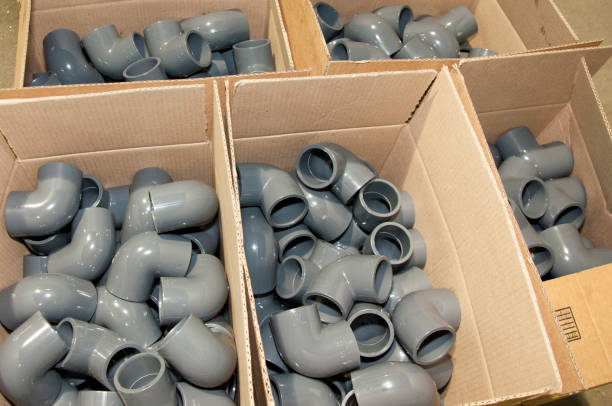
PVC fittings are plastic connectors designed to join sections of PVC pipes. They come in multiple shapes and sizes, including elbows, tees, couplings, reducers, and end caps. Each type plays a specific role, whether changing the flow direction, joining pipes of different diameters, or sealing pipe ends.
Key features include:
- Corrosion resistance: PVC does not rust or degrade like metal.
- Lightweight structure: Makes transport and installation easy.
- Smooth interior walls: Improves water flow by reducing friction.
- Versatility: Available in many shapes to meet different design needs.
- Long lifespan: Properly installed PVC fittings can last decades.
- Low cost: They are more affordable compared to copper or steel fittings.
These characteristics explain why PVC fittings are so widely adopted in plumbing and irrigation.
Common Applications and Industries
PVC fittings are practical for many industries because they combine strength with affordability.
- Residential Plumbing
They are used in water supply lines, wastewater systems, and garden irrigation. Homeowners often choose them because they are simple to install and maintain. - Commercial Buildings
Hotels, offices, and retail facilities rely on PVC fittings for water distribution and drainage. Their durability reduces long-term repair costs. - Agriculture and Irrigation
Farmers use PVC fittings in drip irrigation and sprinkler systems. They withstand chemicals from fertilizers and pesticides, making them ideal for crop irrigation. - Industrial Systems
Factories install PVC fittings in process piping, cooling water lines, and chemical handling systems due to their resistance to corrosion and chemical reactions. - Municipal Infrastructure
Water utilities and sewage networks adopt PVC fittings for pipelines. Their lightweight nature speeds up installation in large-scale projects.
Buying Guide for PVC Fittings
When selecting PVC fittings, consider the following aspects to ensure long-term efficiency:
- Material Quality
Choose fittings manufactured from high-grade PVC. Inferior products may crack or deform under pressure. - Size and Pressure Rating
Confirm compatibility with your pipe dimensions and system pressure. Incorrect sizes may cause leaks or system failures. - Color Coding
Color indicates usage. White PVC is often used for plumbing, while gray PVC is common in electrical conduits. For irrigation, different colors may indicate pressure class. - Certifications
Look for certifications such as ASTM, ISO, or NSF to confirm safety and quality. Certified fittings ensure compliance with international standards. - Brand Reputation
Established brands usually maintain better quality control and may offer warranties. Trustworthy manufacturers reduce long-term risks. - Cost and Value
Do not choose fittings based only on price. Consider the balance of durability, performance, and affordability.
Installation Guidelines
Correct installation is the foundation of a reliable plumbing or irrigation system. Follow these steps for best results:
- Cut Pipes Accurately
Use a pipe cutter or saw to make straight, smooth cuts. Uneven cuts reduce connection strength. - Deburr and Clean Surfaces
Remove burrs with sandpaper or a file. Clean both the pipe and the fitting with a dry cloth. - Apply Primer and Solvent Cement
Primer prepares the PVC surface, and cement chemically bonds the pipe and fitting. Apply evenly for a secure seal. - Assemble Quickly
Insert the pipe into the fitting with a slight twist. Hold it in place for a few seconds to allow bonding. - Curing Period
Wait for the cement to cure fully before testing with water. Rushing this step can cause leaks. - Avoid Over-tightening
Excessive force may crack the fitting or weaken the joint. Always follow manufacturer recommendations.
PVC Fittings vs. Other Pipe Materials
| Feature | PVC Fittings | Copper Fittings | Steel Fittings | PPR Fittings | CPVC Fittings |
|---|---|---|---|---|---|
| Corrosion Resistance | Excellent | Moderate | Poor | Excellent | Excellent |
| Weight | Very Light | Heavy | Very Heavy | Light | Light |
| Temperature Resistance | Up to ~60°C | Very High | Very High | Up to ~90°C | Up to ~93°C |
| Chemical Resistance | Strong | Moderate | Moderate | Strong | Strong |
| Installation Ease | Simple with solvent cement | Requires soldering | Requires threading/welding | Fusion welding required | Simple with solvent cement |
| Lifespan | 50+ years | 20–40 years | 20–It depends on the actual situation. | 50+ years | 50+ years |
| Cost | Low | High | High | Moderate | Moderate |
This comparison highlights why PVC fittings remain the preferred choice for cold water and irrigation systems. They offer a strong balance of affordability, durability, and ease of use.
Conclusion
PVC fittings are indispensable in plumbing and irrigation projects. Their resistance to corrosion, lightweight design, and cost-effectiveness make them a versatile option for residential, commercial, agricultural, and industrial applications. By paying attention to material quality, certifications, and proper installation techniques, you can ensure that your system will perform reliably for decades. Compared with other pipe materials, PVC fittings stand out as one of the most practical and efficient choices for modern water management.
IFAN’s international standards
IFAN products comply with multiple international standards, including BS 3505, BS 4346, ASTM D1785 SCH40, ASTM D1785 SCH80, DIN, GB, DWV, ASTM D2665, ASTM D2241, ASTM D2729, ASTM F441/F441M, ISO 1452 Series standards, EN ISO 1452, DIN 8061/8062, GB/T 10002 Series standards, AS/NZS 1477, JIS K6741, CSA B137.3, NSF/ANSI 14, TIS 17-2532/1131-2535, among others. These certifications ensure that IFAN piping systems meet global requirements for safety, durability, and performance.
Connect
IFAN, a Chinese manufacturer with 30 years of experience, specializes in high-quality plastic pipes, fittings, and valves. Interested in IFAN’s copper fittings, copper valves, plastic pipes, or fittings? Contact us today. IFAN offers a wide range of standard pipes tailored to your needs. Explore our affordable, cost-effective valve and piping system products.
We respond to emails or faxes within 24 hours. For immediate assistance, call us anytime with questions about our products.
For more information,pls visit our webside https://www.waterpipefactory.com/
Pls Mailto: [email protected]
Whatsapp: + 86 152 1588 7738