
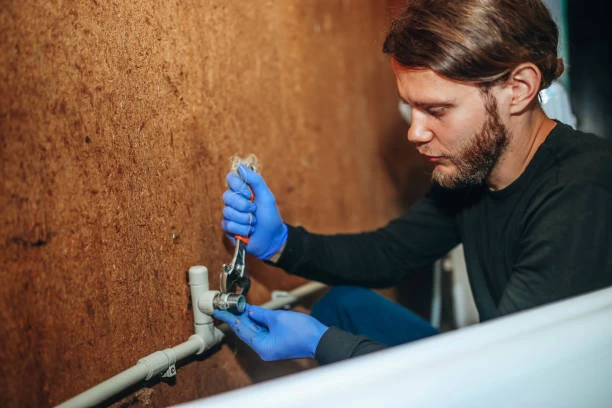
PVC (polyvinyl chloride) has become one of the most popular materials for household applications due to its durability, versatility, and cost-effectiveness. Homeowners rely on PVC products for a wide range of uses, including plumbing, electrical conduits, flooring, and outdoor structures like fences and decking. However, maintaining PVC products is essential to ensuring their longevity and performance. This article will explore how home consumers can properly maintain PVC in different applications, offering tips and best practices for keeping these products in optimal condition.
1. Why PVC is Popular in Homes
Before diving into maintenance strategies, it’s important to understand why PVC is such a popular choice for household use. PVC combines several properties that make it ideal for home applications. It is:
- Durable: PVC resists wear and tear, making it suitable for high-traffic areas like flooring and outdoor use.
- Water-Resistant: PVC doesn’t absorb moisture, which makes it ideal for plumbing and outdoor settings.
- Lightweight: PVC is easier to install and handle compared to traditional materials like metal or wood.
- Affordable: Compared to alternatives such as metal piping or hardwood floors, PVC offers significant cost savings.
With all these advantages, it’s no wonder that homeowners frequently choose PVC for various projects around the house. However, proper maintenance ensures these benefits are fully realized over the long term.
2. Maintaining PVC Pipes and Plumbing Systems
PVC pipes are commonly used in home plumbing systems for both water supply lines and drainage. To maintain PVC pipes, homeowners should focus on the following areas:
Regular Inspections
Regularly checking PVC pipes for cracks, leaks, or signs of damage helps prevent major issues before they develop. Pipes in high-use areas, such as bathrooms and kitchens, should be checked more frequently. Homeowners should inspect for:
- Leaks: Even small leaks can cause water damage if not addressed. Water pooling around a pipe or a drop in water pressure can signal a problem.
- Discoloration: Stains on the pipe may indicate a chemical reaction or exposure to harsh conditions. This can weaken the material over time.
Preventing Clogs and Blockages
PVC drainage pipes can clog over time, especially if large amounts of debris or grease enter the system. Homeowners can prevent blockages by:
- Using Strainers: Installing strainers in kitchen sinks and bathroom drains keeps large debris out of the pipes.
- Avoiding Grease: Pouring grease or oil down the drain can cause buildup and eventually clog pipes. Dispose of grease in a separate container instead.
- Routine Cleaning: Flushing drains with hot water and a mixture of baking soda and vinegar helps break down minor blockages before they become serious.
Protecting Pipes from Extreme Temperatures
While PVC pipes are durable, they can be affected by extreme temperatures. In cold climates, frozen pipes can crack or burst, causing significant damage. Homeowners should:
- Insulate Pipes: Insulating exposed PVC pipes in attics, basements, or exterior walls helps prevent freezing during the winter months.
- Avoid Direct Heat Exposure: PVC softens at high temperatures, so avoid placing pipes near heat sources like furnaces or radiators.
By following these steps, homeowners can keep their PVC plumbing systems functioning efficiently and reduce the risk of costly repairs.
3. Maintaining PVC Flooring
PVC, often in the form of vinyl, is a popular choice for flooring due to its water resistance, durability, and ease of cleaning. Maintaining PVC floors requires regular care and attention to keep them looking their best and extending their lifespan.
Regular Cleaning
Cleaning PVC flooring is simple but should be done correctly to avoid damaging the surface. Homeowners should:
- Sweep or Vacuum Regularly: Dirt and debris can scratch the surface over time. Frequent sweeping or vacuuming prevents this type of wear.
- Mop with Mild Cleaners: Use a damp mop and a mild detergent for deeper cleaning. Avoid using abrasive cleaners, which can damage the floor’s finish. Also, refrain from using too much water, as excessive moisture can seep into seams and cause damage.
Stain Removal
Stains from spills or tracked-in dirt can be a common issue with PVC flooring. Homeowners can use the following methods to remove stains:
- For Food or Drink Spills: A mixture of water and mild soap should effectively remove most stains. Wipe spills immediately to prevent them from setting.
- For Tougher Stains: Use a soft cloth with diluted rubbing alcohol or a PVC-approved cleaner for stubborn stains like ink or scuff marks. Never use harsh chemicals like acetone, as they can damage the surface.
Protecting the Floor
Homeowners can take preventative measures to keep PVC flooring looking new by:
- Using Floor Mats: Placing mats at doorways reduces the amount of dirt and debris tracked onto the floor.
- Avoiding Heavy Impact: Use protective pads under furniture to prevent dents or scratches when moving items across the floor.
With proper care, PVC flooring will maintain its appearance and durability for many years.
4. Maintaining PVC Fences and Outdoor Structures
PVC is widely used in outdoor settings, including fences, decking, and garden structures. These products face exposure to the elements, which requires specific maintenance to keep them in top condition.
Cleaning PVC Fences
Outdoor PVC structures accumulate dirt, pollen, and algae over time, especially during wet seasons. Homeowners can clean these surfaces by:
- Rinsing with Water: Regularly hosing down PVC fences removes surface dirt and prevents buildup.
- Using Mild Soaps: For deeper cleaning, mix mild detergent with water and scrub the surface using a soft brush or cloth. Avoid using harsh chemicals like bleach, as they can discolor the material.
- Power Washing: For larger areas or heavy dirt buildup, a power washer can be used at a low setting. High-pressure settings should be avoided to prevent damage.
Preventing Discoloration
Prolonged sun exposure can cause PVC to fade or discolor over time. To reduce this effect, homeowners can:
- Use UV-Protective Coatings: Applying a UV-protective coating to PVC fences and outdoor structures helps shield the material from the sun’s harmful rays. These coatings are often clear and do not affect the appearance of the PVC.
- Regular Cleaning: Removing dirt, algae, and other environmental contaminants reduces the likelihood of staining or discoloration.
Structural Integrity
While PVC is resistant to rotting and insect damage, it can still be affected by physical wear and tear. To maintain the structural integrity of PVC fences and outdoor structures:
- Inspect Regularly: Check for cracks, warping, or damage caused by weather or impacts. Addressing small issues early can prevent larger repairs later.
- Reinforce Where Needed: If sections of a PVC structure become loose, use proper brackets, screws, or reinforcement to secure them. This ensures the structure remains stable, even under stress.
5. PVC Electrical Conduits and Wiring
Homeowners also use PVC for electrical conduits, as it is a non-conductive material that protects wiring from moisture and external damage. To maintain PVC electrical conduits, homeowners should:
Check for Damage
Electrical conduits can crack or break if exposed to physical stress or extreme weather conditions. Homeowners should periodically check conduits for signs of:
- Cracks or Breaks: Damaged conduits can expose wiring to moisture, leading to electrical hazards. Any damaged sections should be replaced immediately.
- Blockages: Debris or dirt inside the conduit can interfere with wiring. If blockages are detected, clear them carefully to avoid damaging the cables inside.
Secure Conduits Properly
PVC conduits should be securely attached to walls or support structures. Loose conduits can be damaged by movement or impact. Homeowners can ensure that conduits remain secure by:
- Using the Correct Brackets: Install brackets or clamps that are designed for PVC to prevent shifting or loosening over time.
- Avoiding Excessive Bending: Bending the conduit too tightly can cause cracks or reduce the flexibility of the tube.
Conclusion
Maintaining PVC products in the home is straightforward but essential for ensuring their long-lasting performance. Homeowners should take proactive steps to clean, inspect, and protect PVC pipes, flooring, outdoor structures, and electrical conduits. Regular maintenance not only extends the lifespan of these products but also prevents costly repairs and replacements down the line. By following these tips, consumers can enjoy the durability, flexibility, and cost-effectiveness that PVC offers for many years.
Connect
IFAN is a Chinese manufacturer of plastic pipes, fittings and valves with 30 years of experience. If you are interest in IFAN copper fittings, copper valves, plastic pipes and fittings, please contact us. IFAN offers you a variety of standard pipes to meet your specific needs. Click below to learn more about IFAN’s wide range of affordable and cost-effective valve products and piping system related products.
We will reply your email or fax within 24 hours.
You can call us at any time if there is any question on our production.
For more information,pls visit our webside https://www.waterpipefactory.com/
Pls Mailto: [email protected]
Whatsapp: + 86 19857948982