
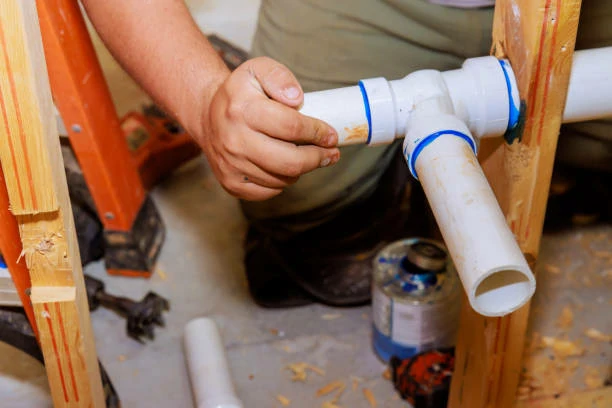
Introduction to PVC Material in Plumbing
Polyvinyl chloride (PVC) material has revolutionized the plumbing industry over the past few decades. It offers a cost-effective, durable, and versatile solution for both residential and commercial plumbing systems. PVC pipes and fittings have replaced traditional materials like copper, iron, and steel in many applications due to their superior performance and lower costs. In this article, we will explore how PVC is transforming the plumbing industry and why it remains a top choice for plumbing professionals and homeowners alike.
Advantages of PVC in Plumbing Systems
PVC material offers several key advantages that have made it a preferred choice in plumbing systems. First, PVC is lightweight, which makes it easy to handle and install. Unlike metal pipes, PVC is resistant to corrosion, ensuring that it will last longer and require fewer replacements. PVC pipes are also resistant to the buildup of scale, which often affects metal pipes over time. These features make PVC a more reliable and long-lasting option for plumbing systems.
Cost-Effectiveness and Affordability
One of the most significant reasons for PVC’s popularity in plumbing is its cost-effectiveness. PVC is cheaper to manufacture than metals like copper or steel, making it an affordable option for homeowners and contractors alike. The material is easy to produce, and its lower cost extends to installation, as PVC pipes are quicker to install and require fewer specialized tools. Additionally, PVC’s resistance to corrosion and wear means that it requires less maintenance, further reducing costs over the long term.
Durability and Longevity of PVC
PVC’s durability and longevity are key factors in its dominance within the plumbing industry. Unlike copper or steel, which are prone to rust and corrosion, PVC remains intact for years without degrading. PVC pipes are resistant to harsh chemicals, weather conditions, and UV rays, making them ideal for both indoor and outdoor plumbing systems. This durability reduces the frequency of replacements, which ultimately saves both time and money for homeowners and businesses.
Ease of Installation
PVC is known for its ease of installation, which has made it the material of choice for plumbing professionals. PVC pipes and fittings are lightweight, which simplifies transportation and handling. The pipes are also easy to cut, fit, and join together, requiring minimal tools and expertise. Unlike metal pipes that require welding or soldering, PVC pipes can be assembled quickly using simple techniques such as solvent cementing or threading. This ease of installation reduces labor costs and shortens project timelines.
Resistance to Corrosion and Chemicals
One of the standout features of PVC is its resistance to corrosion. Unlike metal pipes, which can corrode over time and lead to leaks, PVC pipes remain unaffected by the elements. PVC is also resistant to a wide range of chemicals, making it an excellent choice for plumbing systems that need to transport various liquids, including those with high acidity or alkalinity. This chemical resistance makes PVC ideal for both residential and industrial plumbing applications, where exposure to corrosive substances is common.
Environmental Benefits of PVC
As sustainability becomes a key focus in the plumbing industry, PVC offers several environmental benefits. PVC is recyclable, meaning that old pipes can be repurposed into new products. The material is also durable and long-lasting, which reduces the need for frequent replacements and minimizes waste. Additionally, the manufacturing process for PVC pipes requires less energy than that of metal pipes, further lowering its environmental footprint. PVC’s low carbon footprint and recyclability make it an environmentally friendly choice for modern plumbing systems.
The Future of PVC in Plumbing
The future of PVC in plumbing looks promising, as new innovations continue to improve the material’s performance and sustainability. Ongoing advancements in manufacturing technologies are making PVC pipes stronger, more flexible, and better suited for a wider range of applications. The industry’s continued push for eco-friendly materials has also led to the development of bio-based PVC, which uses renewable resources to produce pipes. As PVC continues to evolve, it will remain an essential material in the plumbing industry for years to come.
IFAN Global Standards
IFAN PVC pipes meet various international standards, ensuring high quality and reliability. ASTM 2846 and DIN 8079/8080 define pressure and material requirements. ASTM F441/F441M SCH80 and GB/T 18993 set specifications for industrial applications. AS/NZS 1477 and CSA B137.6 cover plumbing and drainage performance. NSF/ANSI 14 guarantees safety for potable water use. TIS 17-2532/1131-2535, BS 3505, and BS 4346 regulate construction and durability. ASTM D1785 SCH40/SCH80 and GB standards specify thickness and strength. DWV and ASTM D2665 address drainage and vent systems. ASTM D2241, ASTM D2729, and ISO 1452 provide pressure and dimension guidelines. EN ISO 1452, DIN 8061/8062, and GB/T 10002 ensure global compliance. JIS K6741 and CSA B137.3 define additional quality requirements.
Connect
IFAN is a Chinese manufacturer of plastic pipes, fittings and valves with 30 years of experience. If you are interest in IFAN copper fittings, copper valves, plastic pipes and fittings, please contact us. IFAN offers you a variety of standard pipes to meet your specific needs. Click below to learn more about IFAN’s wide range of affordable and cost-effective valve products and piping system related products.
We will reply your email or fax within 24 hours.
You can call us at any time if there is any question on our production.
For more information,pls visit our webside https://www.waterpipefactory.com/
Pls Mailto: [email protected]
Whatsapp: + 86 152 1588 7738