
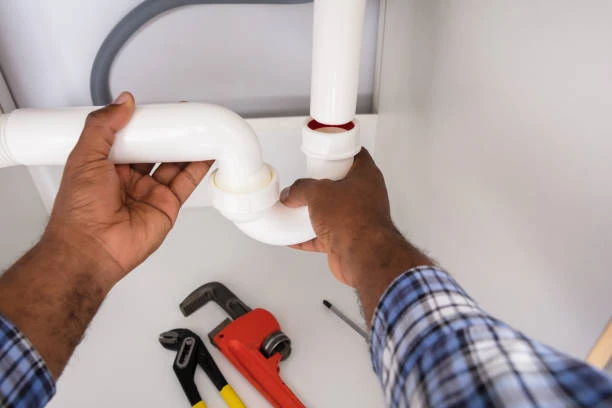
Introduction
PVC pipes have become one of the most widely used materials for water supply, drainage, irrigation, and industrial applications. Their popularity is due to their cost-effectiveness, durability, and ease of installation. Unlike traditional metal pipes, PVC pipes are lightweight, resistant to corrosion, and require minimal maintenance. They offer leak-free performance and are suitable for residential, commercial, and industrial projects. This article provides a comprehensive guide to understanding PVC pipe advantages, key characteristics, common applications, buying considerations, comparisons with other materials, and additional insights to help you make informed choices.
FAQ – Frequently Asked Questions
1. What is a PVC pipe?
A PVC pipe is a conduit made from polyvinyl chloride, a thermoplastic material used for transporting water, chemicals, and other liquids.
2. Are PVC pipes suitable for drinking water?
Yes, certified PVC pipes comply with international health standards and ensure safe water transport without contamination.
3. How long do PVC pipes last?
PVC pipes generally last 25 to It depends on the actual situation., depending on pressure, temperature, and environmental conditions.
4. Can PVC pipes handle high pressure?
PVC pipes are rated for various pressure levels, and high-quality pipes can safely handle standard water system pressures.
5. How do PVC pipes compare to other piping materials?
PVC pipes are lighter, easier to install, resistant to corrosion, and more cost-effective compared to copper, steel, or PEX pipes.
Definition and Key Characteristics of PVC Pipe
A PVC pipe is manufactured from polyvinyl chloride, a synthetic polymer with a dense molecular structure. This structure provides strength, chemical resistance, and long-term durability.
Key characteristics of PVC pipes include:
- Durability: PVC pipes resist corrosion, rust, and chemical degradation.
- Cost-effectiveness: Lower material and installation costs compared to metal alternatives.
- Ease of installation: Lightweight pipes simplify handling and reduce labor costs.
- Leak resistance: Smooth surfaces and reliable fittings ensure leak-free operation.
- Flexibility: Suitable for long runs and curved installations with minimal connectors.
- Environmental friendliness: Fully recyclable and safe for sustainable projects.
These features make PVC pipes a practical choice for a wide range of applications, from home plumbing to large industrial systems.
Common Applications and Industries
PVC pipes serve multiple industries and applications.
- Water supply systems: They provide reliable solutions for residential, commercial, and municipal water distribution. Smooth surfaces reduce friction and water loss.
- Irrigation systems: PVC pipes are ideal for agricultural applications, including drip and sprinkler irrigation. Their durability ensures consistent water delivery.
- Industrial applications: Factories and plants use PVC pipes to transport chemicals, wastewater, and non-corrosive liquids. They withstand chemical exposure better than metal alternatives.
- Drainage and sewage systems: Municipal and industrial drainage systems rely on PVC pipes for leak-free wastewater management.
- Cable protection: PVC pipes protect electrical and telecommunications cables from mechanical damage and environmental hazards.
This versatility highlights why PVC pipes are preferred in modern infrastructure projects.
Buying Guide: How to Choose PVC Pipes
Selecting the right PVC pipe requires careful consideration of several factors:
- Diameter: Choose a pipe diameter that supports the required water flow and system pressure.
- Pressure rating (PN): Ensure the pipe can withstand operational pressure.
- Wall thickness: Thicker walls enhance durability and strength.
- Certification: Confirm compliance with standards like ASTM, ISO, or NSF, especially for potable water.
- Color coding: Blue for potable water, grey for industrial use, and green for drainage or sewer applications.
- Installation environment: Consider temperature, UV exposure, and potential chemical contact.
- Manufacturer reputation: Choose reputable brands to guarantee quality and consistency.
- Environmental considerations: Recyclable pipes or those made from recycled materials support sustainable practices.
By evaluating these factors, buyers can select PVC pipes that deliver long-term performance and cost savings.
Related Insights
Several related aspects enhance the efficiency and reliability of PVC pipe systems. Proper jointing methods, such as solvent welding, mechanical fittings, and threaded connections, are essential for leak-free operation. Advances in PVC formulations improve flexibility, impact resistance, and UV protection, allowing for extended outdoor use. Additionally, understanding local codes and regulations ensures compliance in water, industrial, and municipal projects. Regular inspection and maintenance help prevent leaks, prolong service life, and reduce operational costs.
PVC Pipe vs Other Materials: Comparison
| Feature | PVC Pipe | Copper Pipe | Galvanized Steel Pipe | PEX Pipe |
|---|---|---|---|---|
| Durability | 25-It depends on the actual situation. | 50+ years | 40-60 years | 30-It depends on the actual situation. |
| Corrosion Resistance | Excellent | Excellent | Poor | Excellent |
| Installation | Lightweight, easy | Heavy, labor-intensive | Heavy, labor-intensive | Flexible, easy |
| Cost | Low to medium | High | Medium to high | Medium |
| Maintenance | Low | Low | High | Low |
| Applications | Water, irrigation, industrial | Water, heating | Water, industrial | Water, heating, radiant systems |
This comparison demonstrates that PVC pipes combine affordability, durability, and ease of installation, often outperforming traditional materials in various applications.
Conclusion
PVC pipes offer a cost-effective, durable, and easy-to-install solution for water supply, irrigation, drainage, and industrial use. Their corrosion resistance and leak-free performance make them suitable for residential, commercial, and industrial applications.
Choosing the right PVC pipe requires evaluating diameter, pressure rating, wall thickness, certification, color coding, and environmental factors. Compared to copper, galvanized steel, and PEX, PVC provides excellent performance, low maintenance, and straightforward installation.
Investing in high-quality PVC pipes ensures reliable, efficient, and long-lasting water systems. Whether for home plumbing, municipal water networks, agricultural irrigation, or industrial projects, PVC pipes deliver an optimal balance of cost-effectiveness, durability, and performance.
IFAN’s international standards
IFAN products comply with multiple international standards, including BS 3505, BS 4346, ASTM D1785 SCH40, ASTM D1785 SCH80, DIN, GB, DWV, ASTM D2665, ASTM D2241, ASTM D2729, ASTM F441/F441M, ISO 1452 Series standards, EN ISO 1452, DIN 8061/8062, GB/T 10002 Series standards, AS/NZS 1477, JIS K6741, CSA B137.3, NSF/ANSI 14, TIS 17-2532/1131-2535, among others. These certifications ensure that IFAN piping systems meet global requirements for safety, durability, and performance.
Connect
IFAN, a Chinese manufacturer with 30 years of experience, specializes in high-quality plastic pipes, fittings, and valves. Interested in IFAN’s copper fittings, copper valves, plastic pipes, or fittings? Contact us today. IFAN offers a wide range of standard pipes tailored to your needs. Explore our affordable, cost-effective valve and piping system products.
We respond to emails or faxes within 24 hours. For immediate assistance, call us anytime with questions about our products.
For more information,pls visit our webside https://www.waterpipefactory.com/
Pls Mailto: [email protected]
Whatsapp: + 86 152 1588 7738