
Introduction
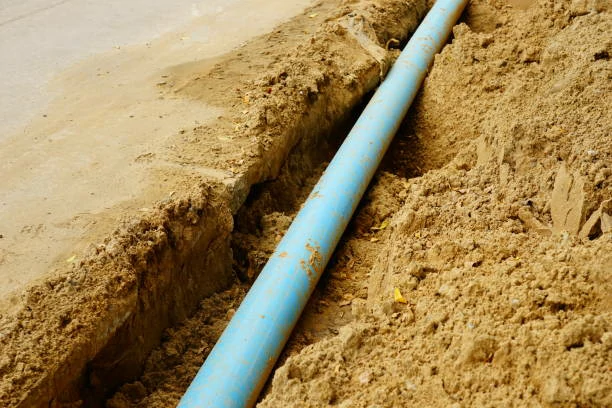
PVC pipe has become an essential component in modern plumbing and water systems. Its durability, cost-effectiveness, and versatility make it a preferred choice for residential, commercial, and industrial applications. By providing a reliable solution for water supply, drainage, and irrigation systems, PVC pipe ensures efficiency and longevity. Furthermore, it resists corrosion, reduces maintenance costs, and simplifies installation. With the increasing demand for sustainable and reliable plumbing solutions, PVC pipe stands out as an ideal option. In this article, we will explore its features, applications, selection guide, and comparison with other pipe materials.
Frequently Asked Questions (FAQ)
1. What is PVC pipe commonly used for?
PVC pipe is widely used for water supply, drainage, sewage, irrigation, and industrial fluid transport.
2. How long does PVC pipe last?
PVC pipes typically last 50 to 100 years under normal conditions due to their resistance to corrosion and chemical damage.
3. Can PVC pipe handle hot water?
Standard PVC pipe is suitable for cold water systems, while CPVC (chlorinated PVC) can withstand hot water up to 90°C.
4. Is PVC pipe safe for drinking water?
Yes, PVC pipe certified for potable water meets strict health and safety standards and does not leach harmful chemicals.
5. How do I install PVC pipe effectively?
PVC pipe installation involves proper cutting, cleaning, and joining with solvent cement or mechanical fittings, ensuring a secure, leak-free system.
Definition and Features of PVC Pipe
PVC pipe, short for polyvinyl chloride pipe, is a thermoplastic material widely used in plumbing, water supply, and industrial systems. It comes in various sizes, diameters, and wall thicknesses to suit different applications. Its key features include:
- Durability: PVC pipe resists rust, corrosion, and chemical damage, making it long-lasting.
- Lightweight: Its low density simplifies handling and installation, reducing labor costs.
- Low Maintenance: Unlike metal pipes, PVC does not scale, pit, or require regular maintenance.
- Smooth Interior Surface: This minimizes friction, reducing water loss and improving flow efficiency.
- Cost-Effective: PVC pipe is more affordable than metal alternatives while maintaining high performance.
- Environmental Benefits: PVC is recyclable, and its longevity reduces resource consumption over time.
Common Uses and Applications
PVC pipe serves multiple industries and purposes due to its versatility. Common uses include:
- Residential Plumbing: Water supply lines, drainage systems, and sewage pipelines.
- Commercial Buildings: HVAC systems, fire sprinkler networks, and wastewater management.
- Irrigation: Agricultural water distribution, garden irrigation systems, and hydroponics.
- Industrial Applications: Chemical transport, cooling systems, and process piping.
- Infrastructure Projects: Municipal water lines, sewer systems, and stormwater management.
Transitioning from traditional metal or clay pipes, PVC pipe has proven to provide easier installation and more efficient water flow across diverse applications.
Selection Guide for PVC Pipe
Choosing the right PVC pipe depends on several factors. Here is a step-by-step guide:
- Material Grade: Standard PVC is ideal for cold water, while CPVC handles hot water and industrial applications.
- Pipe Diameter and Wall Thickness: Match the pipe dimensions to system pressure and flow requirements.
- Color Coding: Blue pipes typically indicate potable water, green for sewer, and gray for electrical conduits.
- Certifications: Look for NSF, ASTM, or ISO certifications to ensure safety and quality.
- Connection Type: Decide between solvent-welded joints, threaded fittings, or mechanical connections based on installation needs.
- Environmental Resistance: Check for UV-resistant pipes if exposed outdoors to prevent degradation over time.
By considering these factors, you ensure a safe, durable, and efficient plumbing system.
Related Content Suggestions
For those interested in expanding their knowledge of PVC piping systems, consider exploring:
- Installation tips and common mistakes to avoid.
- Differences between PVC and CPVC pipes.
- Maintenance strategies for long-lasting plumbing systems.
- Case studies of PVC pipe in large infrastructure projects.
- Environmental impacts and recycling options for PVC materials.
These topics provide practical insights for homeowners, plumbers, and engineers.
PVC Pipe vs Other Materials
| Feature | PVC Pipe | Copper Pipe | PEX Pipe | Steel Pipe |
|---|---|---|---|---|
| Durability | High, corrosion-resistant | High, resists bacteria | Moderate, flexible | Very high, but rust-prone |
| Cost | Low | High | Moderate | High |
| Installation | Easy, lightweight | Moderate, soldering needed | Very easy, flexible | Heavy, welding required |
| Temperature Resistance | Up to 60°C (PVC), 90°C (CPVC) | Up to 150°C | Up to 95°C | Very high |
| Maintenance | Low | Low | Low | Moderate |
| Applications | Water, drainage, irrigation | Water supply, heating | Water, radiant heating | Industrial, structural |
From the comparison, PVC pipe offers excellent balance between cost, durability, and ease of installation, making it a versatile solution for multiple applications.
Conclusion
PVC pipe has transformed water and plumbing systems by providing a reliable, cost-effective, and sustainable solution. Its durability, smooth flow, and low maintenance make it suitable for residential, commercial, industrial, and agricultural applications. By understanding its features, applications, selection criteria, and advantages over other materials, professionals and homeowners can make informed decisions for efficient plumbing systems. Overall, investing in PVC pipe ensures a dependable and long-lasting solution for all water transport needs.
IFAN’s international standards
IFAN products comply with multiple international standards, including BS 3505, BS 4346, ASTM D1785 SCH40, ASTM D1785 SCH80, DIN, GB, DWV, ASTM D2665, ASTM D2241, ASTM D2729, ASTM F441/F441M, ISO 1452 Series standards, EN ISO 1452, DIN 8061/8062, GB/T 10002 Series standards, AS/NZS 1477, JIS K6741, CSA B137.3, NSF/ANSI 14, TIS 17-2532/1131-2535, among others. These certifications ensure that IFAN piping systems meet global requirements for safety, durability, and performance.
Connect
IFAN, a Chinese manufacturer with 30 years of experience, specializes in high-quality plastic pipes, fittings, and valves. Interested in IFAN’s copper fittings, copper valves, plastic pipes, or fittings? Contact us today. IFAN offers a wide range of standard pipes tailored to your needs. Explore our affordable, cost-effective valve and piping system products.
We respond to emails or faxes within 24 hours. For immediate assistance, call us anytime with questions about our products.
For more information,pls visit our webside https://www.waterpipefactory.com/
Pls Mailto: [email protected]
Whatsapp: + 86 152 1588 7738