
Introduction
PVC pipes have become a fundamental solution for modern plumbing, water distribution, and industrial systems. They provide smooth water flow, resist corrosion, and ensure safe and reliable operation over long periods. Due to their durability, lightweight design, and cost-effectiveness, PVC pipes are widely used in residential, commercial, and industrial applications. Their versatility allows seamless integration into water supply, drainage, irrigation, and industrial fluid systems. In this article, we explore the key features of PVC pipes, their applications, selection guidelines, comparisons with other pipe materials, and practical insights for ensuring efficient and safe water flow.
Frequently Asked Questions (FAQ)
1. What applications are PVC pipes commonly used for?
PVC pipes are suitable for water supply, wastewater management, irrigation systems, chemical transport, and industrial fluid handling.
2. How long do PVC pipes typically last?
PVC pipes can last between 50 to 100 years under normal conditions due to their resistance to corrosion and chemical damage.
3. Are PVC pipes safe for drinking water?
Yes, PVC pipes certified for potable water meet strict health standards and do not release harmful substances.
4. Can PVC pipes carry hot water?
Standard PVC pipes are designed for cold water, while CPVC pipes handle higher temperatures, up to approximately 90°C.
5. How should PVC pipes be installed for reliable performance?
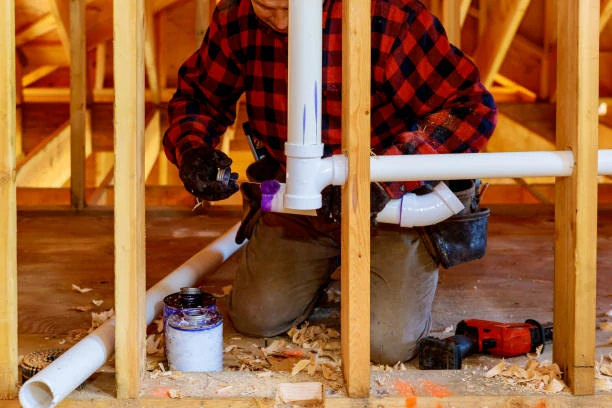
Proper installation involves measuring, cutting, cleaning, and joining pipes with solvent cement or mechanical fittings to ensure leak-free operation.
Definition and Key Features of PVC Pipe
PVC pipe, short for polyvinyl chloride pipe, is a versatile thermoplastic material extensively used in plumbing and water distribution. It is available in various diameters, wall thicknesses, and lengths to meet diverse system requirements. Key features include:
- Durability: PVC pipes resist corrosion, rust, scaling, and chemical attacks, ensuring long-lasting performance.
- Smooth Interior Surface: Reduces friction and maintains steady water flow for efficient distribution.
- Lightweight Construction: Simplifies handling, transport, and installation, reducing labor and time costs.
- Low Maintenance: Unlike metal pipes, PVC does not pit, corrode, or require frequent upkeep.
- Cost-Effective: Offers reliable performance at a lower cost compared to metals and other alternatives.
- Environmental Benefits: Recyclable material with a long lifespan, reducing environmental impact.
These features make PVC pipes ideal for safe and smooth water delivery across various applications.
Common Uses and Applications
PVC pipes find applications across multiple industries due to their versatility and reliable performance. Typical uses include:
- Residential Plumbing: Cold water supply lines, drainage systems, and sewage pipelines.
- Commercial Buildings: HVAC systems, fire sprinkler networks, and wastewater disposal.
- Agriculture and Irrigation: Farmland irrigation, hydroponic systems, and garden water distribution.
- Industrial Applications: Chemical transport, cooling circuits, and fluid processing lines.
- Municipal Infrastructure: Public water supply, sewer systems, and stormwater management.
Compared with traditional materials such as metal, clay, or concrete, PVC pipes offer easier installation, reduced maintenance, and more efficient water flow management.
Selection Guide for PVC Pipe
Choosing the right PVC pipe depends on several critical factors. Key considerations include:
- Material Type: Standard PVC works for cold water systems; CPVC accommodates hot water and industrial fluids.
- Pipe Diameter and Pressure Rating: Ensure dimensions match system flow rate and pressure requirements.
- Color Coding: Blue for potable water, green for sewer lines, and grey for electrical conduits.
- Certifications and Standards: Check for NSF, ASTM, or ISO approvals to guarantee safety and quality.
- Connection Methods: Options include solvent welding, threaded fittings, or mechanical couplings depending on installation needs.
- Environmental Resistance: Choose UV-resistant pipes for outdoor installations to prevent sun damage.
Considering these factors ensures a reliable, safe, and efficient water distribution system.
Related Content Suggestions
For readers seeking more information about PVC piping systems, the following topics are useful:
- Step-by-step guides for PVC pipe installation.
- Differences between PVC and CPVC pipes for temperature-specific applications.
- Maintenance practices for residential, commercial, and industrial systems.
- Case studies demonstrating PVC pipe efficiency in large infrastructure projects.
- Environmental impact and recycling options for PVC piping.
These resources help professionals, engineers, and homeowners optimize water distribution systems and make informed decisions.
PVC Pipe vs Other Materials
| Feature | PVC Pipe | Copper Pipe | PEX Pipe | Steel Pipe |
|---|---|---|---|---|
| Durability | High, corrosion-resistant | High, resists bacteria | Moderate, flexible | Very high, rust-prone |
| Cost | Low | High | Moderate | High |
| Installation | Easy, lightweight | Moderate, soldering needed | Very easy, flexible | Heavy, welding required |
| Temperature Resistance | Up to 60°C (PVC), 90°C (CPVC) | Up to 150°C | Up to 95°C | Very high |
| Maintenance | Low | Low | Low | Moderate |
| Applications | Water supply, drainage, irrigation | Water supply, heating | Water, radiant heating | Industrial, structural |
This comparison shows that PVC pipes provide an excellent balance between cost, durability, and ease of installation for multiple water flow applications.
Conclusion
PVC pipes provide smooth, safe, and efficient water flow for a wide range of applications. Their durability, low maintenance, and cost-effectiveness make them ideal for residential, commercial, industrial, and agricultural systems. By understanding their features, common uses, selection criteria, and advantages over other pipe materials, professionals and homeowners can ensure reliable and sustainable water distribution. Choosing high-quality PVC pipes results in efficient, long-lasting, and safe plumbing systems that meet modern water management demands.
IFAN’s international standards
IFAN products comply with multiple international standards, including BS 3505, BS 4346, ASTM D1785 SCH40, ASTM D1785 SCH80, DIN, GB, DWV, ASTM D2665, ASTM D2241, ASTM D2729, ASTM F441/F441M, ISO 1452 Series standards, EN ISO 1452, DIN 8061/8062, GB/T 10002 Series standards, AS/NZS 1477, JIS K6741, CSA B137.3, NSF/ANSI 14, TIS 17-2532/1131-2535, among others. These certifications ensure that IFAN piping systems meet global requirements for safety, durability, and performance.
Connect
IFAN, a Chinese manufacturer with 30 years of experience, specializes in high-quality plastic pipes, fittings, and valves. Interested in IFAN’s copper fittings, copper valves, plastic pipes, or fittings? Contact us today. IFAN offers a wide range of standard pipes tailored to your needs. Explore our affordable, cost-effective valve and piping system products.
We respond to emails or faxes within 24 hours. For immediate assistance, call us anytime with questions about our products.
For more information,pls visit our webside https://www.waterpipefactory.com/
Pls Mailto: [email protected]
Whatsapp: + 86 152 1588 7738