
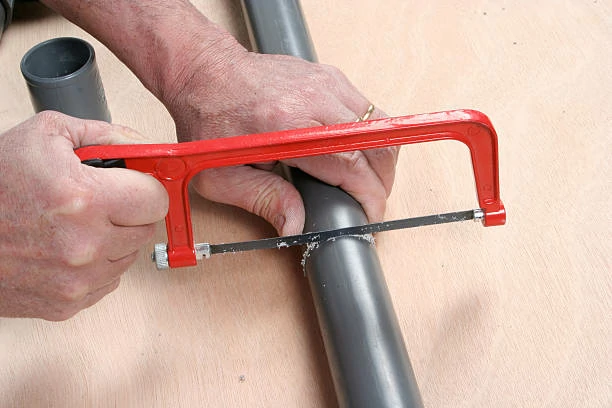
Polyvinyl chloride (PVC) has established itself as one of the most versatile and durable materials in municipal construction. Its unique combination of strength, cost-effectiveness, and adaptability makes it an essential component in infrastructure projects. City planners, architects, and engineers rely on PVC in various applications, from underground piping systems to building facades. This article explores the role of PVC in municipal construction, its benefits, common uses, and why it plays such a pivotal role in the development of urban infrastructure.
1.PVC Action
PVC finds widespread use in the construction of municipal buildings and infrastructure due to its strength, chemical resistance, and ease of installation. Municipal construction projects range from water and sewage systems to public transportation, schools, hospitals, and other public service buildings. In each of these projects, PVC offers significant advantages in terms of both performance and long-term durability.
Water Distribution and Wastewater Systems
Municipal water systems require materials that resist corrosion, pressure, and chemical degradation. PVC piping has become the material of choice for water distribution and wastewater systems because of its ability to meet these demands. Unlike traditional materials such as cast iron or concrete, PVC does not corrode, even after decades of exposure to water and harsh environmental conditions. Its smooth inner surface also reduces friction, allowing water to flow more freely and efficiently, reducing the energy needed for pumping.
In wastewater management, PVC pipes offer resistance to chemicals commonly found in sewage and industrial waste, ensuring that these systems remain functional and leak-free over time. Municipalities favor PVC for underground sewage systems and stormwater drainage, where its resilience prevents blockages and damage caused by shifting soils, roots, and other environmental factors.
Building Electrical Systems
In addition to water infrastructure, PVC plays a crucial role in the electrical systems of municipal buildings. PVC conduits, used to protect electrical wiring, provide excellent insulation and resist fire, water, and chemical damage. These conduits ensure the safe and efficient routing of electrical cables throughout city buildings, from schools and hospitals to government offices and transportation hubs. The durability of PVC conduits reduces the need for maintenance and replacement, lowering costs for municipalities in the long term.
2. Benefits of PVC in Municipal Construction
PVC’s advantages in municipal construction stem from its wide range of properties. City planners and engineers favor PVC for several reasons:
PVC Role in Durability and Longevity
PVC’s resistance to corrosion, chemicals, and physical stress makes it one of the most durable materials available for construction. Municipal water systems, for example, use PVC pipes that can last over 100 years with minimal maintenance. This longevity significantly reduces the need for repairs and replacements, saving cities both time and money. Municipal buildings that incorporate PVC in their construction benefit from the same durability, ensuring that structural components like windows, roofing, and insulation remain functional for decades.
PVC Role in Cost-Effectiveness
Compared to traditional materials like metal, concrete, or wood, PVC provides a more cost-effective solution without sacrificing quality. PVC materials cost less to produce, transport, and install, making them an attractive option for municipalities working within tight budgets. Additionally, PVC’s lightweight nature simplifies handling and installation, reducing labor costs and the time needed to complete projects.
Environmental Benefits
Municipalities increasingly prioritize sustainability in their construction projects, and PVC offers several environmental benefits. PVC pipes, for example, require less energy to produce and transport than traditional materials like metal or concrete. Additionally, PVC’s long service life reduces the need for frequent replacements, lowering the demand for new raw materials and minimizing waste generation.
Recycling initiatives also contribute to PVC’s environmental profile. Many manufacturers now produce PVC using recycled materials, and after its useful life, PVC can be recycled into new products, further reducing its environmental impact. By incorporating recycled PVC into municipal projects, cities can reduce the carbon footprint of their construction activities while still benefiting from a high-performance material.
3. Common Uses of PVC in Municipal Buildings
PVC’s adaptability allows it to serve a variety of purposes in municipal buildings and structures. Some of its most common applications include:
PVC Role in Piping and Plumbing Systems
As mentioned earlier, PVC pipes dominate water distribution and wastewater management systems in municipal infrastructure. Additionally, PVC piping extends to plumbing systems in public buildings, such as schools, hospitals, and government offices. In these settings, PVC’s resistance to heat and pressure ensures the reliable flow of both hot and cold water.
Windows and Doors
Municipal buildings often incorporate PVC in the construction of windows and doors due to its energy efficiency and weather resistance. PVC window frames offer excellent insulation, reducing energy consumption by maintaining consistent indoor temperatures. Municipalities rely on PVC windows and doors to improve the energy efficiency of public buildings, which lowers operating costs and reduces environmental impact. PVC also resists moisture, preventing issues like rot and warping, making it ideal for external windows and doors in public spaces.
Insulation and Roofing
PVC contributes to the insulation and roofing of municipal buildings. PVC insulation panels, used in walls, ceilings, and roofs, improve the energy efficiency of structures by reducing heat loss in winter and cooling loss in summer. This insulation helps cities lower energy costs in public buildings, while PVC roofing membranes provide a lightweight, durable solution for flat or low-slope roofs. These roofing systems resist extreme weather conditions, including UV radiation, rain, and wind, making them suitable for municipal buildings that require long-term performance.
Public Transportation Infrastructure
Municipal construction projects for public transportation systems often incorporate PVC in various ways. PVC flooring, for example, covers the surfaces of subway stations, train cars, and buses, providing a durable, easy-to-clean surface that withstands heavy foot traffic. Additionally, PVC signage and barriers appear throughout transportation hubs to guide passengers and ensure safety. The low maintenance needs of PVC materials make them ideal for public transportation systems, which require both reliability and cost-efficiency.
4. Why Municipalities Choose PVC
Several factors contribute to municipalities’ preference for PVC in construction projects. First and foremost, its cost efficiency aligns with the budget constraints of most cities. Municipal projects often operate under limited funding, making PVC an attractive option due to its lower cost compared to other materials like metal or concrete. PVC also requires less maintenance, reducing long-term operational costs.
Additionally, PVC’s adaptability allows it to be used across a wide range of applications. From underground piping to building facades and even transportation infrastructure, PVC offers flexibility in design and implementation, making it suitable for diverse municipal projects.
Municipalities also appreciate PVC’s sustainability, as they increasingly seek materials that reduce environmental impact. PVC’s long life cycle, energy efficiency, and recyclability contribute to its green credentials, helping cities meet sustainability goals without sacrificing performance or affordability.
Finally, safety plays a crucial role in the decision to use PVC in municipal projects. PVC materials, especially in plumbing and electrical conduits, offer fire resistance, ensuring that public buildings remain safe for their occupants. PVC does not ignite easily and often self-extinguishes when exposed to flame, providing an added layer of safety in schools, hospitals, and other public facilities.
Conclusion
PVC has become a fundamental material in municipal construction due to its durability, cost-effectiveness, adaptability, and sustainability. Cities rely on PVC to build long-lasting water systems, electrical conduits, windows, doors, and insulation, ensuring that public buildings and infrastructure remain efficient, safe, and reliable. PVC’s role in municipal projects continues to grow as city planners and engineers seek affordable and eco-friendly solutions for urban development. Its versatility and performance make it indispensable in shaping the future of municipal construction.
Connect
IFAN is a Chinese manufacturer of plastic pipes, fittings and valves with 30 years of experience. If you are interest in IFAN copper fittings, copper valves, plastic pipes and fittings, please contact us. IFAN offers you a variety of standard pipes to meet your specific needs. Click below to learn more about IFAN’s wide range of affordable and cost-effective valve products and piping system related products.
We will reply your email or fax within 24 hours.
You can call us at any time if there is any question on our production.
For more information,pls visit our webside https://www.waterpipefactory.com/
Pls Mailto: [email protected]
Whatsapp: + 86 19857948982