
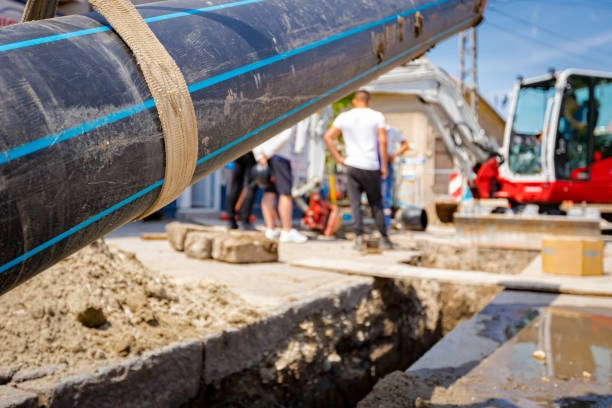
Recycled HDPE Pipes and the Circular Economy
As the world shifts toward sustainable practices, the construction and infrastructure industries are reevaluating their use of raw materials. Among the most promising solutions is the integration of recycled HDPE pipes into projects that demand strength, durability, and environmental responsibility. These pipes are not only effective but also align perfectly with the goals of a circular economy. This article explores how recycled HDPE pipes support sustainability and how the industry is adapting to meet environmental demands.
Understanding HDPE and Its Recyclability
High-density polyethylene (HDPE) is a strong, flexible plastic widely used in pipe systems. It’s known for its resistance to corrosion, impact, and chemicals. Fortunately, HDPE is highly recyclable. After its initial use, it can be collected, cleaned, and processed into new products—including recycled HDPE pipes. Unlike many materials that degrade after recycling, HDPE retains its core strength and performance. Therefore, it becomes an ideal candidate for reuse in large-scale infrastructure.
Why the Circular Economy Needs HDPE Pipes
The circular economy aims to keep materials in use for as long as possible. Rather than producing new pipes from virgin plastic, manufacturers now turn to recycled HDPE to reduce waste and energy consumption. This approach closes the loop—turning used materials back into high-value products. Moreover, the use of recycled HDPE pipes helps lower carbon emissions. Since producing recycled material consumes less energy than extracting and processing new raw resources, it directly supports global climate goals.
Industry Trends Driving Adoption
Many industries, especially water, gas, and construction sectors, are moving toward more sustainable procurement. As governments and corporations adopt green policies, the demand for recycled HDPE pipes has risen. Additionally, suppliers and manufacturers are investing in better recycling technologies. These improvements increase the quality and consistency of recycled materials, making them more suitable for pressure systems, drainage, and cable protection. Furthermore, builders now recognize that sustainable products also offer long-term cost savings.
Environmental and Economic Benefits
One of the biggest advantages of using recycled HDPE pipes is their dual impact—environmentally and economically. First, they divert tons of plastic waste from landfills and oceans. This action protects ecosystems and conserves space in landfills. Second, recycled HDPE pipes cost less to produce than virgin ones. Even though the initial sorting and processing require effort, the savings in raw material and energy usage are substantial. For governments and companies working with tight budgets, this is an attractive option.
Performance Without Compromise
Some might wonder whether recycled HDPE pipes perform as well as those made from virgin material. Fortunately, with modern manufacturing standards, they do. In fact, several tests confirm that properly processed recycled HDPE offers similar tensile strength, durability, and flexibility. Because of this, many recycled HDPE pipes are now approved for use in high-demand applications like water supply systems and stormwater drainage. Importantly, they also maintain long service life, which reduces the need for replacements.
Supporting Sustainable Infrastructure
As cities expand, the need for sustainable infrastructure grows. Recycled HDPE pipes contribute to eco-friendly building practices without sacrificing quality. From underground sewage systems to irrigation and road drainage, these pipes help support urban development with minimal environmental damage. Additionally, their light weight makes transport and installation more efficient, cutting fuel consumption and labor hours. In this way, they offer practical benefits beyond sustainability alone.
Challenges and Opportunities Ahead
Despite their promise, recycled HDPE pipes face a few hurdles. First, consistent material supply can be a challenge. Recycling programs need to be well-managed to provide clean, reliable input. Second, some regulatory frameworks still favor virgin materials, especially for critical systems. However, these barriers are slowly being addressed. Certification programs and third-party testing now help reassure buyers of quality. Furthermore, more pilot projects showcase the success of recycled HDPE in real-world applications, encouraging wider adoption.
Conclusion: A Smarter Future with Recycled HDPE
In conclusion, recycled HDPE pipes are more than just an alternative—they’re a forward-thinking solution that supports the principles of a circular economy. They reduce environmental impact, lower costs, and maintain strong performance in essential infrastructure. As industries and governments continue to embrace sustainability, the role of recycled HDPE pipes will only grow. By choosing recycled materials today, we build a smarter, cleaner tomorrow.
IFAN International Standards
To meet global quality demands, IFAN HDPE pipes follow a wide range of international standards, such as ASTM D3035, ISO 4427, EN 12201, and GB/T 13663. These standards define the pipe’s strength, durability, and safety. Moreover, IFAN complies with DIN 8074/8075, AS/NZS 4130, JIS K6760, BS 6572, and CSA B137.1, making their products suitable for water, gas, and industrial systems worldwide. Because IFAN meets all these trusted certifications, users can confidently choose IFAN for reliable performance in any environment.
Connect
IFAN is a Chinese manufacturer of plastic pipes, fittings and valves with 30 years of experience. If you are interest in IFAN copper fittings, copper valves, plastic pipes and fittings, please contact us. IFAN offers you a variety of standard pipes to meet your specific needs. Click below to learn more about IFAN’s wide range of affordable and cost-effective valve products and piping system related products.
We will reply your email or fax within 24 hours.
You can call us at any time if there is any question on our production.
For more information,pls visit our webside https://www.waterpipefactory.com/
Pls Mailto: [email protected]
Whatsapp: + 86 152 1588 7738