
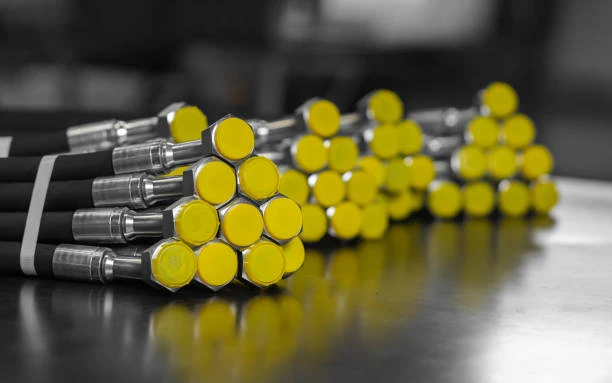
Reinforced braid hoses play a central role in modern fluid transfer systems because they combine durability, flexibility, and high-pressure resistance. Their unique structure, which includes multiple braided layers of synthetic or metallic materials, gives them the strength to handle demanding conditions in industrial, automotive, and domestic settings. Understanding their structural components is essential to appreciating their performance, benefits, and wide range of applications. This article explores the structure of reinforced braid hoses, their defining characteristics, their common uses, and answers to frequently asked questions.
Frequently Asked Questions (FAQ)
1. What is the main purpose of reinforced braid hoses?
Reinforced braid hoses are designed to transport liquids or gases safely under pressure while resisting leaks, bursts, and wear. Their braided structure gives them strength and flexibility.
2. What materials are typically used in reinforced braid hoses?
Most hoses consist of inner tubing made of rubber, PVC, or silicone, combined with outer braided layers made of stainless steel, polyester, or nylon to enhance durability.
3. Can reinforced braid hoses handle high temperatures?
Yes, depending on the material. For example, stainless steel braided hoses can resist high temperatures, while nylon-braided ones work well in moderate ranges. Always check the product’s specifications before use.
4. In which industries are reinforced braid hoses most commonly used?
They are widely used in plumbing, automotive systems, chemical transfer, hydraulic machinery, and even in household appliances like dishwashers and washing machines.
5. How long do reinforced braid hoses typically last?
The lifespan varies based on material quality, pressure conditions, and usage environment. On average, a high-quality reinforced braid hose lasts several years with proper installation and maintenance.
Basic Definition and Features
Reinforced braid hoses are specialized tubing solutions engineered to withstand higher pressures and demanding conditions compared to regular hoses. Their structure includes several important layers:
- Inner tube: The core layer that comes in direct contact with the fluid.
- Braided reinforcement: A woven layer of nylon, polyester, or stainless steel fibers tightly wrapped around the inner tube. This braiding prevents expansion and provides resistance against internal pressure.
- Outer layer: A protective cover that shields the hose from abrasion, UV rays, and external damage. It may consist of synthetic rubber, PVC, or thermoplastic material.
Together, these layers form a hose that is both strong and flexible. The braided reinforcement in particular distinguishes these hoses from standard types by allowing them to maintain performance under intense pressure without compromising mobility.
Key characteristics of reinforced braid hoses include:
- High-pressure resistance
- Flexibility for easy installation
- Resistance to abrasion and external damage
- Compatibility with various fluids and gases
- Long service life with proper maintenance
Common Uses and Application Industries
The versatile structure of reinforced braid hoses makes them suitable for numerous industries and purposes. Below are some of the most common applications:
1. Plumbing and Water Supply
In residential and commercial plumbing systems, reinforced braid hoses are often used to connect sinks, toilets, and washing machines. Their ability to withstand water pressure and prevent leaks makes them reliable household components.
2. Automotive Systems
Automotive applications rely heavily on reinforced braid hoses for fuel lines, brake systems, and cooling systems. The braided layers provide resistance to vibration, heat, and mechanical stress, ensuring safety and efficiency.
3. Industrial and Hydraulic Machinery
In factories and construction sites, hoses must endure high pressure and heavy use. Reinforced braid hoses are widely applied in hydraulic equipment, pneumatic systems, and chemical transfer operations because of their strong reinforcement and durability.
4. Food and Beverage Industry
Food-grade reinforced braid hoses are designed with safe inner linings that resist contamination.
5. Chemical and Pharmaceutical Applications
Their robust design prevents leaks and withstands harsh conditions.
Conclusion
Reinforced braid hose stand out for their structure, which combines an inner tube, braided reinforcement, and an outer protective layer. This composition allows them to handle pressure, resist wear, and maintain flexibility across a wide range of applications. From plumbing and automotive systems to chemical industries and household use, these hoses are indispensable in ensuring safe and efficient fluid transfer. Their importance lies not only in their strength but also in their ability to provide long-term reliability in both everyday and industrial environments.
Conclusion
Buyers should prioritize material compatibility, reinforcement type, and certifications to match their application needs. From hydraulic machinery to sterile pharmaceutical transfers, these hoses offer a balance of strength, flexibility, and durability. By understanding key specifications—such as pressure ratings, temperature limits, and industry standards—businesses can make informed purchasing decisions that ensure long-term performance and safety. Whether for OEM integration or replacement parts, selecting the right reinforced braid hose optimizes efficiency and reduces downtime.
IFAN is a Chinese manufacturer of plastic pipes, fittings and valves with 30 years of experience. If you are interest in IFAN copper fittings, copper valves, plastic pipes and fittings, please contact us. IFAN offers you a variety of standard pipes to meet your specific needs. Click below to learn more about IFAN’s wide range of affordable and cost-effective valve products and piping system related products.
We will reply your email or fax within 24 hours.
You can call us at any time if there is any question on our production.
For more information,pls visit our webside https://www.waterpipefactory.com/
Pls Mailto: [email protected]
Whatsapp: + 86 152 1588 7738