
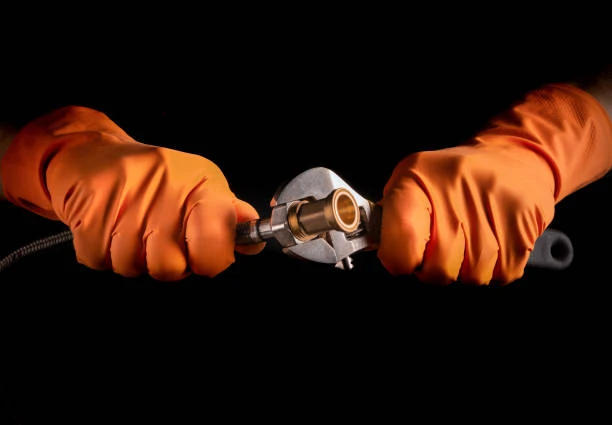
Nylon braided hoses require specialized shipping and handling procedures to maintain their quality and performance characteristics during maritime transportation. These essential industrial components demand specific logistical considerations due to their material properties and construction features. This comprehensive guide examines best practices for shipping nylon braided hoses by sea, addresses common transportation questions, explores their fundamental characteristics, and reviews their widespread industrial applications. Understanding proper maritime shipping methods ensures these critical components arrive at global destinations in perfect condition, ready for installation and use.
Frequently Asked Questions (FAQ)
Why do nylon braided hoses require special shipping considerations?
Nylon braided hoses need careful handling because they are sensitive to environmental conditions during transit. Exposure to saltwater atmosphere can affect their material properties over time. Temperature fluctuations in shipping containers may impact their flexibility and performance. Proper packaging must prevent crushing, kinking, or deformation during long sea voyages.
What packaging methods work best for maritime shipping?
Manufacturers use several effective packaging solutions for sea transport. Waterproof wrapping protects against humidity and salt air exposure. Sturdy wooden crates provide structural support against stacking pressures. Desiccant packets inside packaging control moisture levels during the voyage.
How should we handle temperature concerns during ocean transport?
Temperature management is crucial for maintaining hose quality. Containers should avoid direct sunlight exposure on the outer hull. Proper ventilation prevents condensation buildup inside packaging. Monitoring devices can track temperature variations during the journey.
What documentation is required for international shipping?
International shipments require several important documents. Commercial invoices must detail product specifications and values. Packing lists should include hose dimensions and quantities. Certificates of origin are necessary for customs clearance. Material safety data sheets provide important handling information. Insurance documents protect against potential transit damage or loss.
How can we ensure proper loading and unloading at ports?
Proper equipment and procedures are essential for port operations. Spreaders should distribute weight evenly when moving containers. Cranes must maintain smooth operation to prevent sudden shocks. Dock workers need training in handling industrial hose products. Inspection protocols should verify condition upon arrival and departure. Communication between ship crews and port staff ensures coordinated handling.
Basic Definition and Key Characteristics
Nylon braided hoses feature a multi-layer construction that requires careful handling during maritime shipping. These hoses consist of an inner tube, nylon braid reinforcement, and an outer cover. The nylon reinforcement provides excellent strength while maintaining flexibility. This construction makes them lightweight yet durable for various applications. However, their material properties demand specific shipping considerations.
These hoses possess several characteristics that affect their shipping requirements. Their flexibility allows compact packaging but requires protection from deformation. The nylon material can absorb moisture if not properly protected. Temperature variations may affect their performance characteristics. They are generally lightweight, which helps reduce shipping costs. Their durability helps them withstand normal shipping stresses when properly packaged.
The shipping process must preserve several key hose properties. The structural integrity must remain intact throughout the journey. The inner surface must stay clean and free from contamination. The flexibility should not be compromised by improper storage conditions. External surfaces need protection from abrasion and environmental factors. All identification markings must remain clear and legible after shipping.
Different hose types present unique shipping considerations. Large diameter hoses require special coiling and support systems. High-pressure hoses need careful protection for their reinforcement layers. Food-grade hoses demand contamination-free shipping conditions. Specialty hoses may have specific temperature or humidity requirements during transit.
Common Uses and Application Industries
The maritime industry itself uses nylon braided hoses for various shipboard applications. Engine rooms utilize them for fuel and oil transfer systems. Cooling systems employ them for seawater circulation. Navigation and control systems use them for hydraulic functions. These applications require hoses that can withstand the marine environment’s challenges.
Automotive manufacturers ship nylon braided hoses globally for vehicle production. Fuel systems require hoses with excellent chemical resistance. Brake systems need hoses that maintain reliability under pressure. Air intake systems use hoses with good temperature tolerance. These components often travel long distances by sea to reach assembly plants.
Industrial equipment manufacturers rely on sea transport for hose distribution. Pneumatic tools require flexible and durable hose connections. Hydraulic systems need hoses with high pressure ratings. Cooling systems utilize hoses with temperature resistance. These applications demand consistent quality after extended shipping periods.
The oil and gas industry ships nylon braided hoses for various applications. Exploration equipment uses hoses that can withstand harsh conditions. Refinery operations require hoses with chemical resistance. Distribution systems need reliable hose components. These industries often require shipping to remote locations with challenging logistics.
Renewable energy projects use sea transport for hose delivery. Wind turbine systems require hoses for hydraulic functions. Solar power installations need fluid transfer components. Hydroelectric facilities utilize various hose types. These projects often involve international shipping to project sites worldwide.
Conclusion
Proper shipping of nylon braided hoses by sea requires careful planning and execution. The unique characteristics of these hoses demand specific handling and packaging considerations. Following established shipping protocols ensures they arrive in optimal condition for their intended applications. Different industries have varying requirements based on their specific uses and operational environments.
Advancements in shipping technology continue to improve hose transportation. Better packaging materials provide enhanced protection against environmental factors. Improved container designs offer more stable temperature conditions. Tracking systems allow better monitoring during transit. These developments help maintain product quality throughout the shipping process.
The international shipping process requires coordination between multiple parties. Manufacturers must ensure proper packaging and documentation. Shipping companies need to follow handling protocols. Port workers require training in specialized cargo handling. Receivers should implement proper inspection procedures. This collaborative approach ensures successful delivery of quality products.
As global trade continues to expand, shipping methods for nylon braided hoses will evolve. New materials may require different shipping conditions. Changing environmental regulations might affect packaging requirements. The shipping industry will continue developing innovative solutions for industrial products. Proper shipping remains crucial for ensuring that nylon braided hoses perform reliably in their various applications worldwide.
Contact
IFAN is a Chinese manufacturer of plastic pipes, fittings and valves with 30 years of experience. If you are interest in IFAN copper fittings, copper valves, plastic pipes and fittings, please contact us. IFAN offers you a variety of standard pipes to meet your specific needs. Click below to learn more about IFAN’s wide range of affordable and cost-effective valve products and piping system related products.
We will reply your email or fax within 24 hours.
You can call us at any time if there is any question on our production.
For more information,pls visit our webside https://www.waterpipefactory.com/
Pls Mailto: [email protected]
Whatsapp: + 86 152 1588 7738