
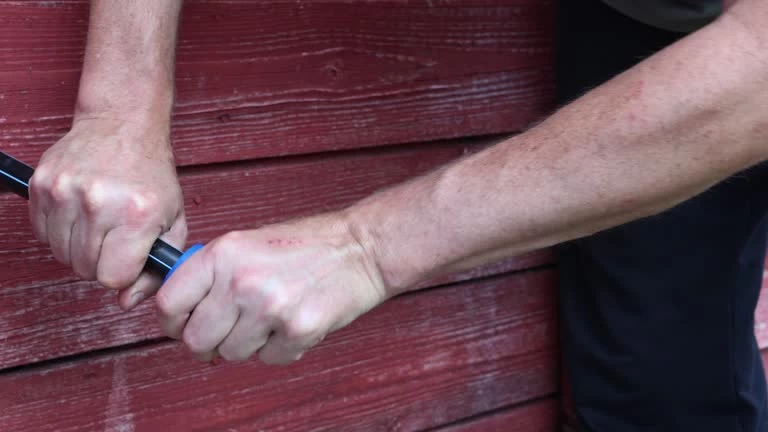
Polyethylene piping stands as a testament to how technological advancements can transform traditional infrastructure. Over the years, significant progress has enhanced its functionality, durability, and versatility, making it a preferred choice across various industries. From water distribution to industrial applications, polyethylene piping continues to evolve, fueled by cutting-edge technologies that improve performance and efficiency. This article explores the technological breakthroughs that have revolutionized polyethylene piping and their impact on modern systems.
Enhanced Material Science for Superior Performance
The foundation of technological advancements in polyethylene piping lies in the development of specialized materials. Scientists have engineered high-density polyethylene (HDPE), cross-linked polyethylene (PEX), and medium-density polyethylene (MDPE) to address specific needs. These materials demonstrate exceptional resistance to environmental stress, chemical exposure, and physical wear. For instance, HDPE pipes excel in high-pressure applications, while PEX pipes perform well under extreme temperature conditions. This innovation in material science has expanded the range of applications for polyethylene piping, ensuring reliability in even the most demanding environments.
Precision Manufacturing Techniques
Modern manufacturing processes have elevated the quality and efficiency of polyethylene pipe production. Extrusion technologies now allow precise control over pipe dimensions, wall thickness, and surface finish. Automated systems ensure consistency and eliminate defects, improving the reliability of each pipe produced. Advanced extrusion techniques also enable the creation of multi-layer pipes, combining different material properties to enhance strength, thermal resistance, or flexibility. These manufacturing improvements ensure that polyethylene pipes meet stringent industry standards while reducing production waste.
Fusion Technologies for Seamless Connections
Fusion technology represents a significant leap forward in polyethylene piping systems. Methods such as butt fusion and electrofusion create leak-proof connections that enhance system integrity. These processes use heat to join pipes and fittings, forming a homogenous bond that matches the strength of the pipe itself. Fusion joints eliminate the risk of leakage, a common issue in traditional mechanical fittings. The simplicity and reliability of fusion technology reduce installation time and maintenance costs, making it a game-changer for water, gas, and industrial pipelines.
Integration of Smart Monitoring Systems
Technological advancements have introduced smart monitoring capabilities into polyethylene piping systems. Sensors embedded within pipes can now measure flow rates, pressure, and temperature in real time. These systems provide instant feedback, allowing operators to identify inefficiencies, blockages, or potential leaks before they escalate into significant problems. Smart piping systems improve operational efficiency and enhance safety, ensuring that infrastructure remains functional and dependable. Industries such as oil and gas and municipal water systems benefit immensely from these innovative monitoring solutions.
Sustainability Through Technological Progress
Sustainability has become a focal point in the development of polyethylene piping. Advances in production techniques now incorporate recycled materials, reducing the environmental footprint of new pipes. Lightweight polyethylene pipes lower transportation and installation emissions compared to heavier alternatives like steel or concrete. Additionally, the long lifespan and recyclability of polyethylene piping minimize waste generation, supporting circular economy principles. These technological strides make polyethylene piping an environmentally responsible choice for modern infrastructure projects.
Applications in Renewable Energy Systems
Technological progress has enabled the use of polyethylene piping in renewable energy applications. Geothermal systems, for example, utilize polyethylene pipes for heat transfer due to their flexibility and resistance to ground stress. Solar thermal systems also rely on polyethylene pipes for efficient fluid distribution. These applications showcase the adaptability of polyethylene piping and its role in advancing sustainable energy solutions. The integration of polyethylene pipes into renewable energy systems highlights the material’s relevance in addressing the challenges of climate change and energy efficiency.
Adaptability for Complex Systems
Polyethylene piping has demonstrated remarkable adaptability to complex and evolving infrastructure needs. Innovations in pipe design, such as corrugated or multi-layer structures, provide solutions for specialized applications. Corrugated polyethylene pipes handle stormwater management effectively, while multi-layer pipes offer enhanced resistance to pressure and temperature fluctuations. Polyethylene’s flexibility allows it to navigate challenging terrains, such as uneven ground or urban settings with tight spaces. These technological advancements ensure that polyethylene piping remains a versatile and efficient choice for diverse applications.
The Future of Polyethylene Piping Technology
The continuous evolution of technology promises exciting advancements in polyethylene piping. Research into nanotechnology aims to create pipes with enhanced mechanical properties and self-repairing capabilities. Further integration of artificial intelligence (AI) in monitoring systems will enable predictive maintenance, reducing downtime and costs. As industries demand more efficient and sustainable infrastructure, polyethylene piping will continue to leverage technological breakthroughs to meet these needs. Its adaptability and innovation-driven development ensure its relevance in the future of infrastructure.
IFAN is a brand that offers products that meet a wide range of international standards, ensuring the quality and reliability of every product. Product standard including:ASTM D3035, ASTM D3350, ISO 4427 series, EN 12201 series, DIN 8074/8075, GB/T 13663 series, AS/NZS 4130, JIS K6760, BS 6572, CSA B137.1. IFAN is committed to providing high quality products and excellent service!
Conclusion
Polyethylene piping exemplifies the transformative power of technology in infrastructure. Innovations in material science, manufacturing, and system integration have enhanced its performance, sustainability, and versatility. These advancements ensure that polyethylene piping addresses modern challenges while adapting to future demands. As technology progresses, polyethylene piping will remain at the forefront of innovative infrastructure solutions, providing reliable, efficient, and sustainable systems for industries and communities worldwide.
Connect
IFAN is a Chinese manufacturer of plastic pipes, fittings and valves with 30 years of experience. If you are interest in IFAN copper fittings, copper valves, plastic pipes and fittings, please contact us. IFAN offers you a variety of standard pipes to meet your specific needs. Click below to learn more about IFAN’s wide range of affordable and cost-effective valve products and piping system related products.
We will reply your email or fax within 24 hours.
You can call us at any time if there is any question on our production.
For more information,pls visit our webside https://www.waterpipefactory.com/
Pls Mailto: [email protected]
Whatsapp: + 86 152 1588 7738