
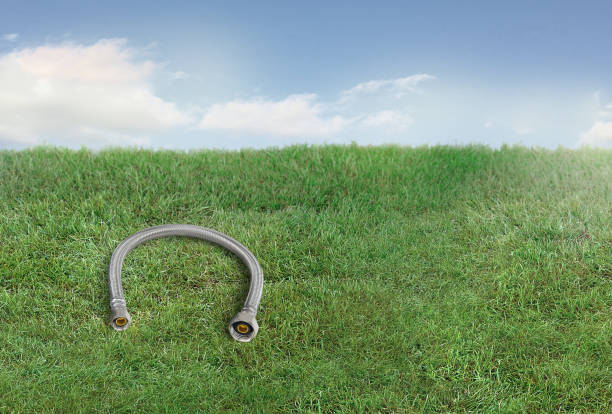
Braided garden hoses represent a significant advancement in watering technology. Combining flexibility with durability for both residential and commercial applications. The testing procedures these hoses undergo play a crucial role in determining their quality, safety, and longevity. This comprehensive guide explores the various testing methods and quality assurance protocols for braided garden hoses, examining how manufacturers verify performance under different conditions. We will discuss the industry standards that govern these tests. The key performance metrics evaluated, and how testing results translate to real-world usage. Additionally, we address common questions about hose testing and certification processes. Understanding the testing behind braided garden hoses helps consumers make informed purchasing decisions and ensures they select products that deliver reliable performance season after season.
Basic Definition and Key Characteristics
A braided garden hose features a multi-layer construction typically consisting of an inner tube made from rubber, latex. Or thermoplastic materials, surrounded by one or more layers of woven reinforcement. This braiding, usually crafted from polyester, nylon, or stainless steel fibers, provides the hose with its distinctive strength and kink resistance. The testing process for these hoses evaluates numerous characteristics including burst pressure resistance, flexibility, UV stability, and environmental compatibility. Manufacturers subject hoses to rigorous laboratory tests that simulate years of use in various conditions. Ensuring they meet or exceed industry standards before reaching consumers.
The key testing parameters include pressure endurance, where hoses undergo sustained high-pressure operation to verify their maximum working pressure and burst pressure ratings. Flexibility tests assess how well the hose maintains its properties after repeated bending and coiling. While kink resistance evaluations determine how easily the hose recovers its shape after sharp bends. Environmental testing exposes hoses to extreme temperatures, UV radiation, and ozone to evaluate their weather resistance and material degradation over time. Additional tests examine coupling security, leak prevention, and water flow efficiency. These comprehensive evaluations ensure that quality braided hoses can withstand typical garden usage while maintaining their performance characteristics through multiple seasons of use.
Common Uses and Application Industries
The testing protocols for braided garden hoses reflect their diverse applications across multiple sectors. In residential settings, these hoses serve for garden watering, car washing, and general outdoor cleaning tasks. Requiring testing that simulates frequent dragging across various surfaces and exposure to sunlight and temperature changes. Professional landscapers and grounds maintenance teams rely on heavy-duty braided hoses that undergo more rigorous testing for continuous use and higher pressure applications. The agricultural industry uses specially tested hoses for irrigation systems and livestock watering. Requiring verification of chemical resistance and durability in demanding environments.
Commercial applications include use in automotive facilities for washing and detailing. Where testing focuses on oil and chemical resistance alongside pressure performance. Construction sites utilize tested braided hoses for dust control and equipment cleaning, requiring validation of abrasion resistance and durability around job site hazards. Municipalities and public institutions use these hoses for park maintenance and public space cleaning. Necessitating testing for continuous use and public safety compliance. Industrial applications might involve specialized testing for chemical transfer or high-temperature water handling. The variety of testing protocols ensures that braided hoses meet specific requirements for each application sector, providing users with confidence in their hose’s performance and safety characteristics.
Frequently Asked Questions (FAQ)
1. What standards do manufacturers use when testing braided garden hoses?
Most quality manufacturers follow international standards such as ISO 9001 for quality management systems and specific product standards like EN 13618 for flexible hoses for water applications. Many also adhere to ASTM International standards for material testing and pressure performance.
2. How do burst pressure tests work and what results should consumers look for?
Burst pressure testing involves gradually increasing water pressure within the hose until failure occurs. Quality braided hoses typically withstand pressures between 300-600 PSI during these tests, with premium models reaching even higher thresholds.
3. What environmental factors do testing procedures simulate?
Comprehensive testing includes exposure to extreme temperatures from below freezing to high heat, prolonged UV radiation to simulate sun exposure, ozone resistance for urban environments, and moisture resistance for humid conditions.
4. How long do accelerated aging tests typically run?
Accelerated aging tests usually run for several weeks to months, simulating years of normal use through controlled exposure to extreme conditions. These tests evaluate material degradation, color fastness, and performance retention over time.
5. Are there specific tests for hose fittings and connectors?
Yes, fittings undergo separate testing for pull resistance, leak prevention, and corrosion resistance. Tests verify that connectors maintain watertight seals under pressure and that couplings withstand repeated attachment and detachment without failure.
Conclusion
In summary, the comprehensive testing procedures for braided garden hoses ensure these products meet high standards of performance, safety, and durability. From pressure endurance and flexibility assessments to environmental resistance and fitting security evaluations, these tests verify that hoses can withstand real-world conditions across various applications. The rigorous quality assurance protocols employed by reputable manufacturers provide consumers with confidence in their purchases, knowing that properly tested hoses will deliver reliable service through multiple seasons of use. Understanding the testing behind braided garden hoses helps users select products that match their specific needs while ensuring they receive value for their investment. As technology advances, testing methods continue to evolve, incorporating new materials and performance requirements that further enhance product reliability and user satisfaction in the growing market of braided garden hoses.
Contact
IFAN is a Chinese manufacturer of plastic pipes, fittings and valves with 30 years of experience. If you are interest in IFAN copper fittings, copper valves, plastic pipes and fittings, please contact us. IFAN offers you a variety of standard pipes to meet your specific needs. Click below to learn more about IFAN’s wide range of affordable and cost-effective valve products and piping system related products.
We will reply your email or fax within 24 hours.
You can call us at any time if there is any question on our production.
For more information,pls visit our webside https://www.waterpipefactory.com/
Pls Mailto: [email protected]
Whatsapp: + 86 152 1588 7738