
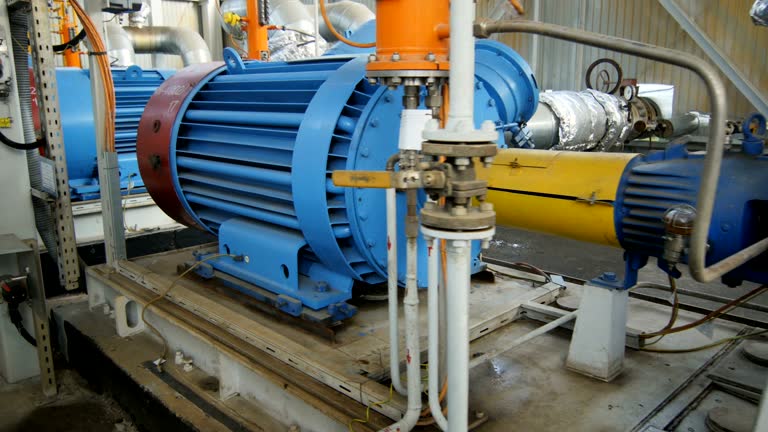
1. Introduction to Trim Valves
Trim valves are essential components in fluid control systems. They regulate the flow, pressure, and temperature of fluids like water, steam, air, and gases within pipelines and other systems. Engineers and designers use trim valves in a wide range of applications, from industrial machinery to residential plumbing. Their primary function is to provide precise control over fluid movement, making them crucial for system performance and efficiency.
2. Components of a Trim Valve
A trim valve consists of several key components, each playing a specific role in its function. These components include the valve body, trim, actuator, and sealing mechanisms. The valve body houses the main functional parts, while the trim refers to the internal components, such as the seat, stem, and disc, which directly influence fluid flow. The actuator controls the valve’s operation, and the sealing mechanism ensures leak-free operation. Engineers design each part to work together to achieve optimal flow control.
3. Functionality of Trim Valves in Fluid Control
Trim valve provide precise control over fluid flow by regulating the opening and closing of the valve components. By adjusting the valve’s settings, operators can control how much fluid passes through the system, as well as its pressure and temperature. Trim valve can be manually adjusted or automated with actuators, offering flexibility in various system types. These valves are especially useful in systems where flow needs to be adjusted regularly or kept within specific limits, such as in water treatment plants, HVAC systems, and industrial processes.
4. Types of Trim Valves
Trim valve come in various designs, each suited for specific applications. Common types include globe valves, ball valves, and gate valves. Globe valves offer fine flow control and are often used in systems where precise regulation is needed. Ball valves, on the other hand, are ideal for on/off control, providing quick shutoff with minimal flow resistance. Gate valves are generally used for fully opening or closing a line. The choice of trim valve depends on the fluid characteristics, system requirements, and the level of control needed.
5. Applications of Trim Valves in Different Industries
Trim valves find applications across a wide range of industries. In the oil and gas industry, they control the flow of fluids through pipelines, regulating pressure and preventing overflows. In chemical processing, trim valves help maintain precise temperatures and flow rates in reactors and mixing tanks. HVAC systems also rely on trim valves to control air and water flow, maintaining desired environmental conditions in buildings. These valves also feature prominently in water treatment facilities, where they ensure that water is treated and distributed efficiently.
6. Installation and Setup of Trim Valves
Proper installation of trim valves is critical to their performance. During installation, engineers ensure that the valve is placed correctly within the system to achieve the desired flow control. The piping must align with the valve’s inlet and outlet connections to prevent leaks and ensure optimal performance. Valves should also be installed in accessible locations for maintenance and adjustment. Installing the valve according to manufacturer guidelines and system requirements ensures longevity and reliability, which contributes to system efficiency.
7. Maintenance and Care for Trim Valves
To ensure that trim valve perform at their best, regular maintenance is required. Operators should periodically check for signs of wear or damage, such as leaks, corrosion, or valve sticking. Cleaning the valve components, especially the seats and seals, can prevent buildup that might affect performance. Lubricating moving parts and replacing worn seals at appropriate intervals helps prevent system failures and extends the life of the valve. Regular maintenance allows trim valves to operate smoothly, preventing costly downtime or repairs.
8. Conclusion: The Vital Role of Trim Valves
Trim valves serve a crucial role in regulating and controlling the flow of fluids within various systems. From their components to their applications, understanding how these valves function can help optimize system performance. Whether in industrial settings, residential buildings, or complex chemical processes, trim valves ensure that systems run smoothly, efficiently, and safely. Proper installation, regular maintenance, and selecting the right type of trim valve for each application are essential for achieving the best results.
IFAN Ball Valves: Global Compliance & Precision
IFAN designs chromed brass ball valve meeting global standards—ASTM D2513, ISO 4437, EN 1555, DIN 8074/8075, GB/T 13663, AS/NZS 4130, BS 5405, CSA B137.1, and JIS B 8381—ensuring durability, leak-proof performance, and compatibility across residential, industrial, and municipal applications worldwide.
Connect
IFAN is a Chinese manufacturer of plastic pipes, fittings and valves with 30 years of experience. If you are interest in IFAN copper fittings, copper valves, plastic pipes and fittings, please contact us. IFAN offers you a variety of standard pipes to meet your specific needs. Click below to learn more about IFAN’s wide range of affordable and cost-effective valve products and piping system related products.
We will reply your email or fax within 24 hours.
You can call us at any time if there is any question on our production.
For more information,pls visit our webside https://www.waterpipefactory.com/
Pls Mailto: [email protected]
Whatsapp: + 86 152 1588 7738