
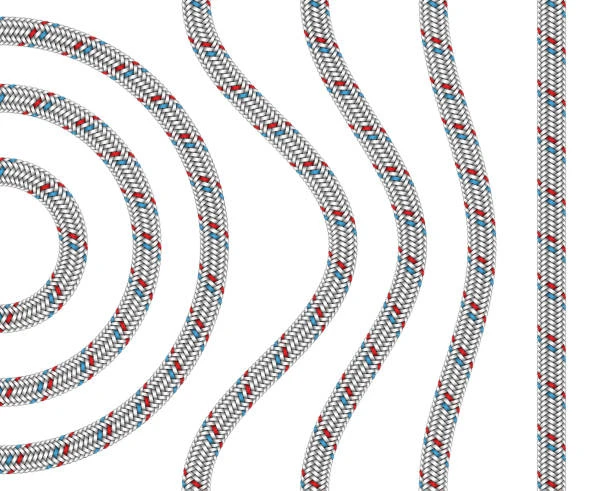
1. Introduction: What You Need to Know About Silicone Braided Hose Installation
Installing a silicone braided hose might seem simple, but doing it correctly ensures long-term performance, leak prevention, and system reliability. These hoses are widely used across industries due to their flexibility, durability, and resistance to extreme temperatures and chemicals. Whether you’re setting up a home brewing system, working on an automotive project, or installing lab equipment, knowing how to install a silicone braided hose properly is essential. This guide walks you through key installation tips, common questions, main features, and common uses of silicone braided hoses. By the end, you’ll have a clear understanding of how to handle this task efficiently and confidently.
2. Frequently Asked Questions (FAQ)
Q1: What tools do I need to install a silicone braided hose?
To install a silicone braided hose, you typically need a hose cutter, clamps (such as worm gear or Oetiker clamps), a heat source for fitting tight connections, and sometimes a lubricant like food-grade silicone grease.
Q2: Can I cut silicone braided hoses to the length I need?
Yes, you can. Use a sharp hose cutter or utility knife to make clean, straight cuts. Avoid scissors, as they can create jagged edges that compromise the seal.
Q3: How do I ensure a leak-proof connection?
Always use the right size hose clamp and ensure the hose fits snugly over the barb or connector. Tighten the clamp just enough to prevent leaks without over-compressing the hose.
Q4: Are silicone braided hoses compatible with hot liquids or steam?
Absolutely. One of the main advantages of silicone braided hoses is their resistance to high temperatures, often up to 200°C (392°F), making them suitable for hot water, steam, and even some chemical applications.
Q5: Do I need to replace silicone braided hoses regularly?
While these hoses are known for their durability, it’s wise to inspect them periodically for cracks, discoloration, or brittleness, especially in high-pressure or high-heat systems. Replace them as needed to maintain system safety and performance.
3. Definition and Key Features of Silicone Braided Hose
A silicone braided hose is a flexible tubing made from high-grade silicone rubber reinforced with a polyester or fiberglass braid. This design improves strength while retaining silicone’s excellent flexibility and temperature resistance.
Key features include:
- High Temperature Resistance: Operates from -60°C to +200°C, ideal for both freezing and boiling conditions.
- Flexibility: Remains pliable even in tight spaces or complex installations.
- Reinforced Strength: The braided mesh structure increases pressure resistance without sacrificing flexibility.
- Chemical Resistance: Withstands many acids, alkalis, and solvents, making it perfect for industrial and lab use.
- Non-Toxic and Food-Grade Options: Safe for food and beverage, medical, and pharmaceutical applications.
These features make silicone braided hoses a top choice for applications that demand both strength and flexibility.
4. Common Applications and Industry Use
Silicone braided hoses are used in a wide range of industries due to their unique combination of properties. Here are the most common use cases:
- Medical and Pharmaceutical: For transferring fluids, gases, or steam in sterile environments.
- Food and Beverage: Widely used in breweries, dairy processing, and commercial kitchens due to food-grade certifications and heat tolerance.
- Automotive: Ideal for coolant lines, vacuum lines, and turbocharger systems thanks to their temperature and pressure resistance.
- Laboratories: Used for transferring chemicals or gases without contamination risks.
- Manufacturing and Industrial Equipment: Suitable for conveying air, water, and mild chemicals in equipment lines.
Because these hoses can handle extreme temperatures, maintain flexibility, and resist degradation, they’re trusted in critical applications where performance cannot be compromised.
5. Step-by-Step Installation Guide
Installing a silicone braided hose is straightforward if you follow a few practical steps. Here’s how:
Step 1: Measure and Cut
Start by measuring the required hose length. Use a hose cutter or sharp blade to ensure a clean cut, which helps create a tight seal.
Step 2: Check the Fit
Test-fit the hose over the connector or barb. It should fit snugly. If it’s too tight, briefly soak the hose in warm water to soften it or apply a food-grade silicone lubricant.
Step 3: Use the Right Clamps
Select a clamp that matches the hose’s outer diameter. Stainless steel worm gear clamps or Oetiker clamps are common choices. Slide the clamp onto the hose before connecting it to the fitting.
Step 4: Attach and Secure
Push the hose onto the barb until it seats fully. Slide the clamp into position over the fitting and tighten it securely. Avoid over-tightening, as it may cut into the hose or cause deformation.
Step 5: Test the System
After installation, test the hose under normal working pressure and temperature. Check for leaks or bulges. If everything looks good, the installation is complete.
By following these steps, you minimize the risk of failure and ensure the hose operates safely and effectively.
6. Tips for Long-Term Maintenance
While silicone braided hoses are highly durable, a few maintenance habits will extend their life:
- Inspect Regularly: Look for signs of wear, such as cracks, swelling, or hardening.
- Avoid Abrasive Contact: Keep hoses away from sharp edges or rough surfaces that might wear down the braid.
- Store Properly: If not in use, store hoses in a cool, dry place away from UV light.
- Don’t Over-Stretch: Avoid pulling the hose too tightly during installation, as that can weaken the braided structure.
By practicing these habits, you can rely on your silicone braided hoses for years without performance issues.
7. Comparison With Other Hose Types
Compared to rubber, PVC, or metal hoses, silicone braided hoses offer a unique balance of flexibility, cleanliness, and resistance to extreme conditions.
| Feature | Silicone Braided Hose | Rubber Hose | PVC Hose | Metal Braided Hose |
|---|---|---|---|---|
| Temperature Resistance | Excellent | Moderate | Low | Excellent |
| Flexibility | High | Medium | Medium | Low |
| Food/Medical Safety | Yes | Sometimes | No | No |
| Pressure Resistance | High (with braid) | High | Moderate | Very High |
| Cost | Moderate to High | Low | Low | High |
This comparison helps show why silicone braided hoses are ideal in demanding environments, especially where hygiene and flexibility are priorities.
8. Conclusion: The Right Way to Install Silicone Braided Hose Matters
Silicone braided hoses are an outstanding solution for many fluid transfer systems. Their durability, flexibility, and thermal resistance make them indispensable in food, medical, automotive, and industrial sectors. However, to unlock their full potential, proper installation is essential.
By following simple but effective steps—measuring accurately, using the correct clamps, and inspecting the system—you can ensure your silicone braided hose performs at its best. Maintenance, regular checks, and appropriate usage further extend its lifespan.
Whether you’re a first-time user or an industry professional, understanding these fundamentals makes every project easier, safer, and more efficient.
IFAN International Standards
To meet global quality demands, IFAN HDPE pipes follow a wide range of international standards, such as ASTM D3035, ISO 4427, EN 12201, and GB/T 13663. These standards define the pipe’s strength, durability, and safety. Moreover, IFAN complies with DIN 8074/8075, AS/NZS 4130, JIS K6760, BS 6572, and CSA B137.1, making their products suitable for water, gas, and industrial systems worldwide. Because IFAN meets all these trusted certifications, users can confidently choose IFAN for reliable performance in any environment.
Contact Us
If you have any questions about cold taps or need help selecting the right model, feel free to reach out to our team. We offer expert advice and support tailored to your industry and application.
IFAN is a Chinese manufacturer of plastic pipes, fittings and valves with 30 years of experience. If you are interest in IFAN copper fittings, copper valves, plastic pipes and fittings, please contact us. IFAN offers you a variety of standard pipes to meet your specific needs. Click below to learn more about IFAN’s wide range of affordable and cost-effective valve products and piping system related products.
We will reply your email or fax within 24 hours.
You can call us at any time if there is any question on our production.
For more information,pls visit our webside https://www.waterpipefactory.com/
Pls Mailto: [email protected]
Whatsapp: + 86 152 1588 7738